
New Publication in Nature Earth and Environment!

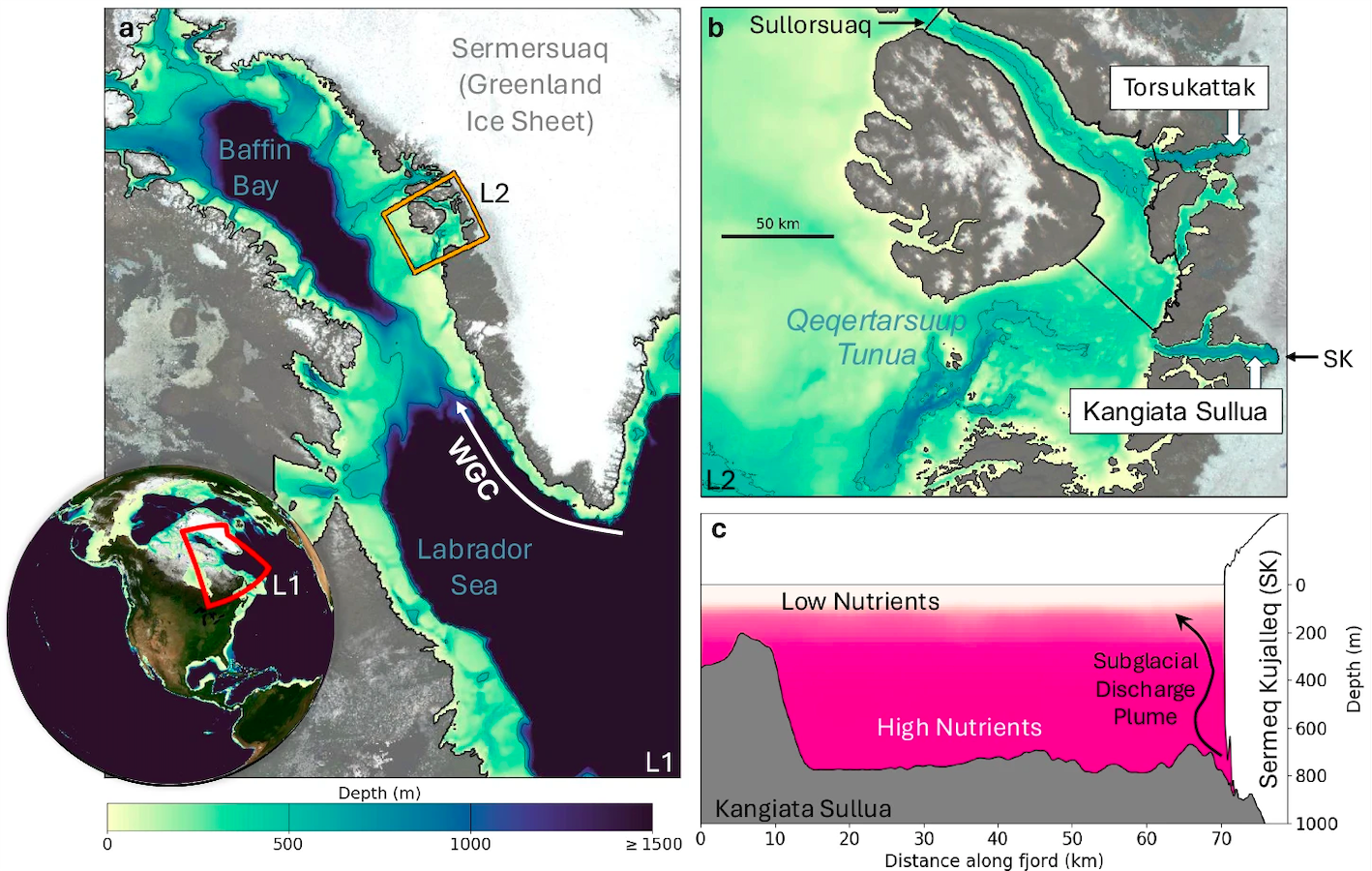
Published August 5, 2025, Assistant Professor Michael Wood and Dr. Dustin Carroll report a compelling discovery in Nature Communications Earth & Environment. Their study reveals that Greenland's coastal waters experience a secondary summertime phytoplankton bloom, driven by subglacial discharge from the island's most active glacier. As meltwater rises and stirs up nutrient-rich deep waters, it fuels this vibrant bloom—shedding new light on how Arctic marine ecosystems respond to ongoing ice-sheet melt.

"Increased melt from Greenland’s most active glacier fuels enhanced coastal productivity"

Abstract

Seasonal phytoplankton blooms in Greenland’s coastal waters form the base of marine food webs and contribute to oceanic carbon uptake. In Qeqertarsuup Tunua, West Greenland, a secondary summertime bloom follows the Arctic spring bloom, enhancing annual primary productivity. Emerging evidence links this summer bloom to subglacial discharge from Sermeq Kujalleq, the most active glacier on the Greenland Ice Sheet. This discharge drives localized upwelling that may alleviate nutrient limitation in surface waters, yet this mechanism remains poorly quantified. Here, we employ a high-resolution biogeochemical model nested within a global state estimate to assess how discharge-driven upwelling influences primary productivity and carbon fluxes. We find that upwelling increases summer productivity by 15–40% in Qeqertarsuup Tunua, yet annual carbon dioxide uptake rises by only  ~3% due to reduced solubility in plume-upwelled waters. These findings suggest that intensifying ice sheet melt may alter Greenland’s coastal productivity and carbon cycling under future climate scenarios.


Wood, M., Carroll, D., Fenty, I. et al. Increased melt from Greenland’s most active glacier fuels enhanced coastal productivity. Commun Earth Environ 6, 626 (2025). https://doi.org/10.1038/s43247-025-02599-1
 

Read the full paper here!

New Drop-In Post – Nature’s tiny heroes: how bacteria can devour plastic pollution in our oceans

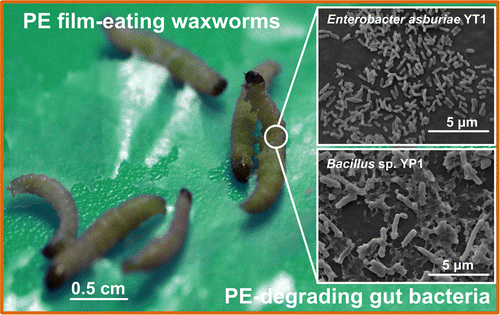
The editors of The MLML Drop-In Blog are pleased to present a new blog post by Hannah McGrath (Environmental Biotechnology Lab): “Nature’s tiny heroes: how bacteria can devour plastic pollution in our oceans”, in which Hannah explores the potential role of bacteria in mitigating plastic pollution.
You can read Hannah’s work here, and catch up on older blog posts here.
 
Happy Spring 2023 and keep reading,
The Drop-In Blog Editorial Team
The MLML Drop-In Blog was founded in 2008 by a small group of graduate students looking for a platform to write candidly about their experiences in graduate school and as an outlet of scientific outreach expression. The Drop-In now has over 600 posts written by past and present MLML graduate students.

Dr. Birgitte McDonald featured on NBC Bay Area and KTVU

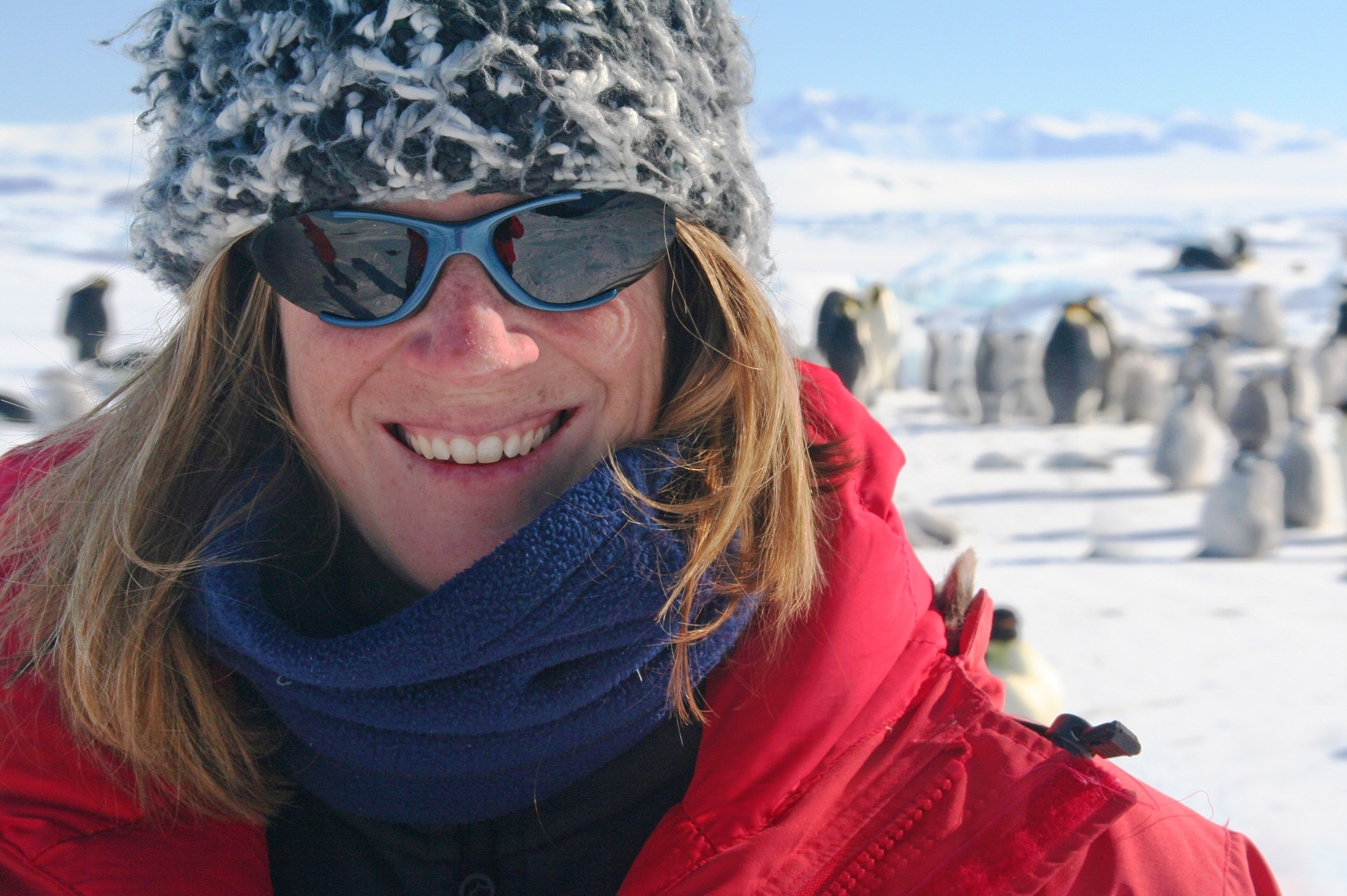
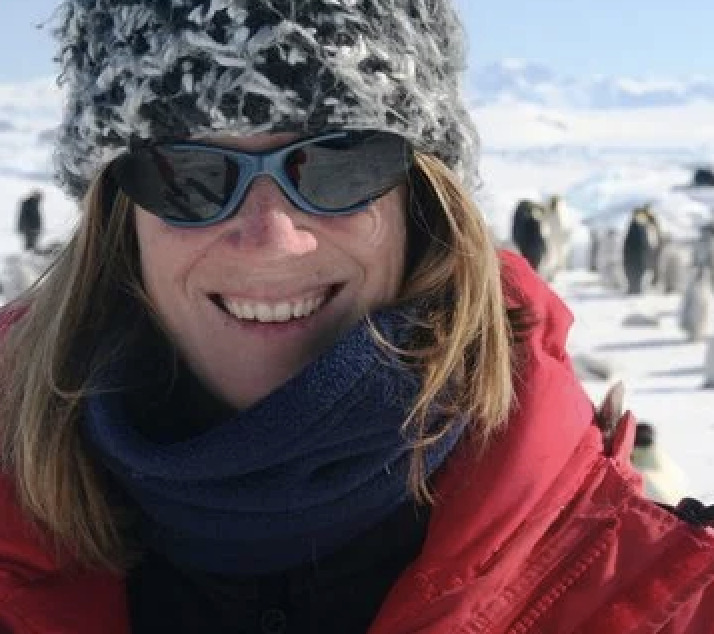
Moss Landing's own Professor of Vertebrate Ecology, Dr. Gitte McDonald was featured recently on both NBC Bay Area and KTVU in her role as team leader for MLML's and New Zealand’s National Institute of Water and Atmospheric Research (NIWA)'s joint field research on emperor penguins in the Antarctic.

Funded in part by NSF, the researchers have braved -35°F temperatures to collect pivotal data on emperor penguin behavior in response to climate change. The team safely captures penguins using a "big hug" technique while they attach GPS-linked data logger, that can record the bird's position and actions using technology very similar to a Fitbit.

Because emperor penguins' heart rates dip to 20 beats per minute when diving below 400 meters (and sometimes as low as 8 bpm), such data loggers can give important information about how deep they dive for food. The accelerometer in the logger can also tell the team what action the penguin was taking, such as standing, swimming, or even tobogganing.

This research is only the start of a 5-year program, Ross Sea Region Research and Monitoring Programs (Ross-RAMP) that will provide valuable data on the effectiveness of the world's largest marine protected area, the Ross Sea MPA.

More information can be found at SJSU News Center.

2 MLML Students Awarded at WSN 2022

Two of Moss Landing's own graduate students in the Invertebrate Ecology lab were awarded at the conclusion of the WSN 2022 conference this Sunday for the work they presented over the weekend!

Keenan Guillas was awarded the runner-up for best poster for the print of his work: "The bigger they are, the harder they sneeze: contraction behaviours in the temperate demosponge Tethya californiana". His poster will be hung in the hall for viewing.

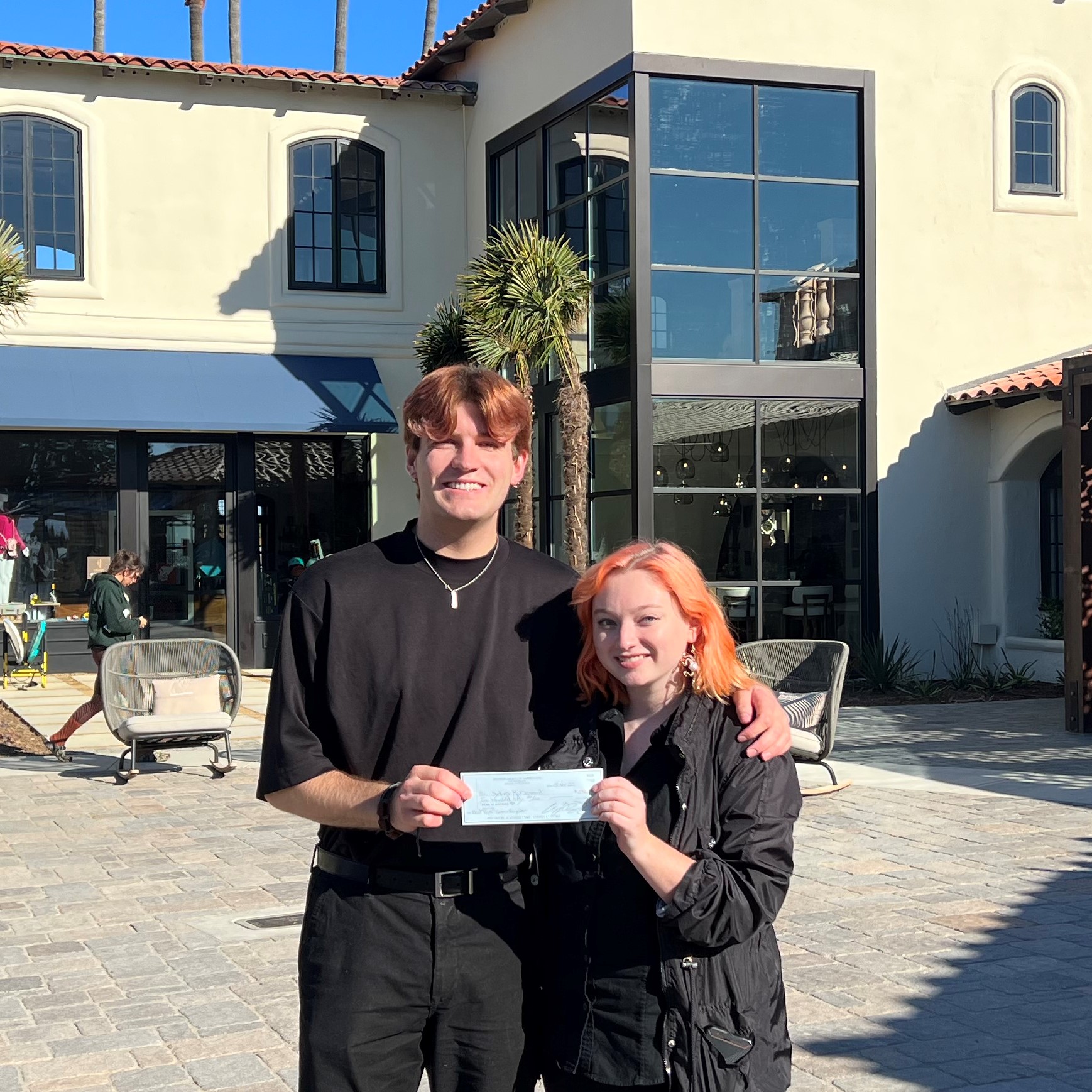
Sydney McDermott was awarded Best Community Ecology Talk for her incredible presentation on the effect of lost shipping containers: "Colonization and succession on experimental natural and artificial substrates in the deep sea", for which she was awarded a cash prize of $250.

A huge congratulations to both of them for recognition of their work!

New Blog Post: Does science have market value? Understanding the influence of science on the economy

The editors of The MLML Drop-In Blog are pleased to present a new blog post by Jason Gonsalves (MLML Physical Oceanography Lab): “Does science have market value? Understanding the influence of science on the economy”, in which Jason delves into the economics of science and perspectives on its value by companies, governments, and the public.
You can access Jason’s piece here, and catch up on older blog posts here.
 
Happy Fall 2022 and keep reading,
The Drop-In Blog Editorial Team (Kali, Keenan, and Grace)
 

Founded in 2008 by a small group of MLML students looking for a platform to write candidly about their experiences as grad students, The Drop-In now has over 600 posts written by Moss grad students past and present. The editorial team invites submissions for blog posts from current MLML students. Please email any editor with a pitch for your piece and we will help you develop it into a post for publication.

In Memoriam: Dr. Kenneth Coale

From The Director :
It is with heavy hearts that we inform our MLML family that Dr. Kenneth Coale has died today of a sudden aortic tear in his heart. And when we think of Kenneth we think of his kind and generous heart.
Kenneth received his B.A. and Ph.D. from UC Santa Cruz before he joined MLML in 1988 as a post-doc with Dr. John Martin. With John and many others at MLML, Kenneth orchestrated one of the great discoveries of ocean science as they explored the importance of iron as a “fertilizer” for the world’s oceans. Kenneth was a key player in these ocean sampling/experimental cruises, demonstrating that iron is a critical and limiting element in many parts of the oceans. Dr. Coale became an adjunct faculty member of MLML in 1992 and helped teach courses before becoming the Acting Director of the Labs in 1998, then permanent Director in 2001 until his retirement as Director in 2011 and Chemical Oceanographer in 2018. Kenneth was a biogeochemist, studying trace elements, radionucleotides, and trace metal dynamics but really, he had an interest in everything. At seminars and thesis defenses, he was always one of the first to ask a thoughtful, probing question (unless Dr. Cailliet beat him to the punch) no matter the subject. He mentored numerous students at MLML and elsewhere and was a steadfast and vigorous champion of MLML locally and around the world. He will be especially remembered for his clever, compassionate, and witty comments; his passion for building and designing things (an example was his popular fabrication class); and his dedication to the MLML family. He was instrumental in leading the construction of the new Labs that now sit atop the hill. He called MLML the “little marine lab that could”, and his wise leadership and forward thinking was exemplary and deeply appreciated.
We will miss him every day. It’s times like this that Kenneth would comfort us with his thoughtful tribute. And now we are left to comfort each other on our collective loss. We all recognize the great sacrifices and dedication that Kenneth gave in making MLML the special place it is today. Our deepest condolences and love go out to Kenneth’s wife Susan (an MLML alum), son Tyler and daughter-in-law Ashley and their kids Finn and Reed, and daughter Megan.
Jim Harvey
Ivano Aiello

Kenneth Coale was an adjunct faculty member when I joined MLML as an MS student in 1992 and he was director when returned as faculty in 2002. He oversaw the functioning of our facility and program during happy easier times, and harder sadder times. Much of our success is built upon the foundation he laid. Whether you agreed with him or not, collaborated with him or not, taught with him or not … there was never any questioning his intent. It was always for the best of Moss Landing Marine Laboratories …. for all of us. He preached that MLML provisioned the pioneers of the future, and that’s how I will remember him …preaching about how important our work is. That will be his legacy. Our work. Let’s keep doing the good work in honor of our dear friend and leader. I will miss you Kenneth.
Michael H Graham
Professor/Department Chair, Moss Landing Marine Laboratories

7 MLML Staff Earned Service Awards!

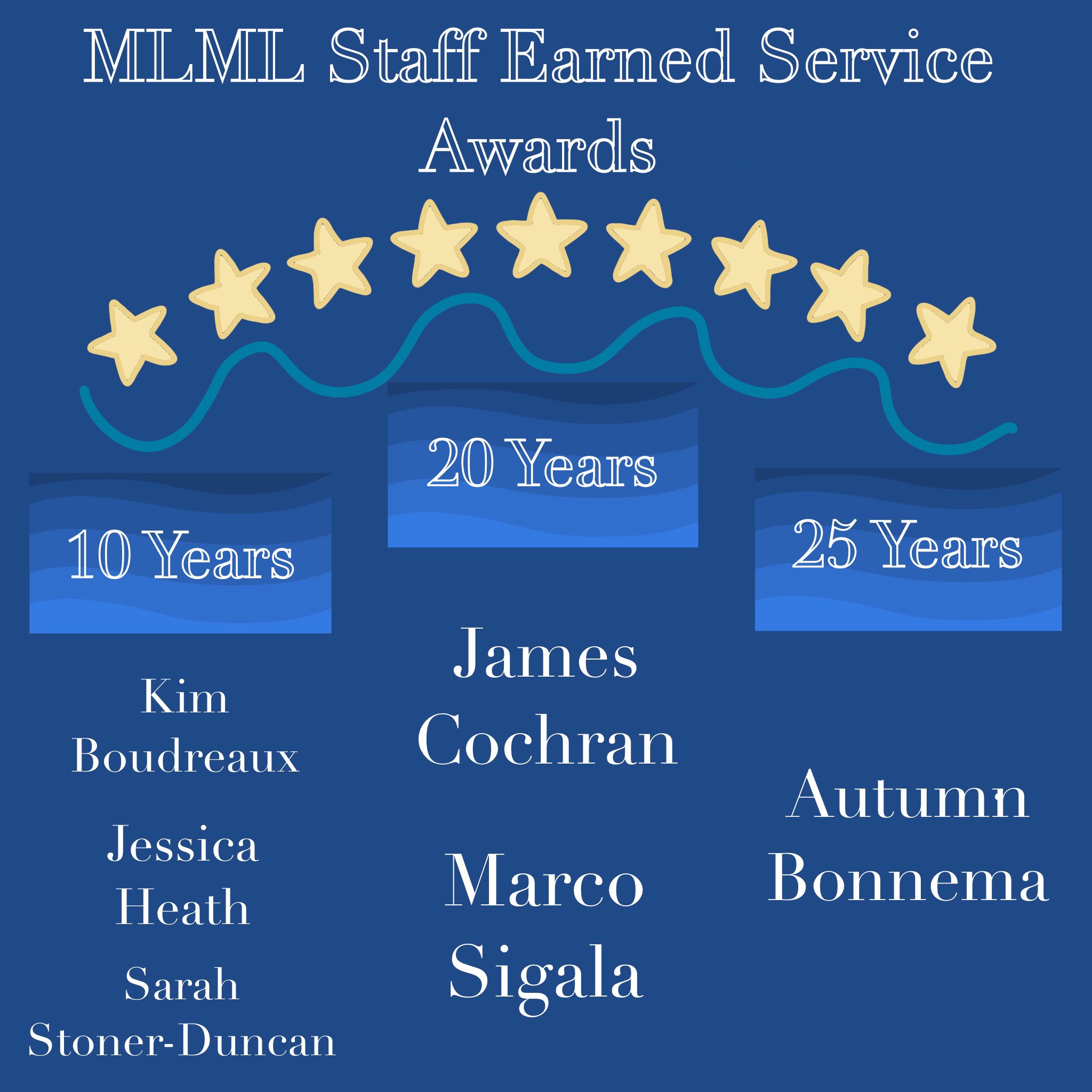
Seven current MLML staffers have received service awards from SJSU for their years of incredible work here at MLML! Some were awarded for 10 years, 20 years, and even 25 years of service helping MLML become and continue to the be the wonderful place it is today!

Endless thanks to Kim Boudreaux - 10 years in the SJSU Dean's Office

Jessica Heath - 10 years at the Moss Landing Marine Pollution Studies Lab

Sarah Stoner-Duncan - 10 years with the Moss Landing Central Coast Wetlands Group

James Cochran - 20 years at Moss Landing Facilities

Marco Sigala - Moss Landing Marine Pollution Studies Lab

and

Autumn Bonnema - 25 years at Moss Landing Marine Pollution Studies Lab!


Join us in congratulating and thanking this wonderful group of people!