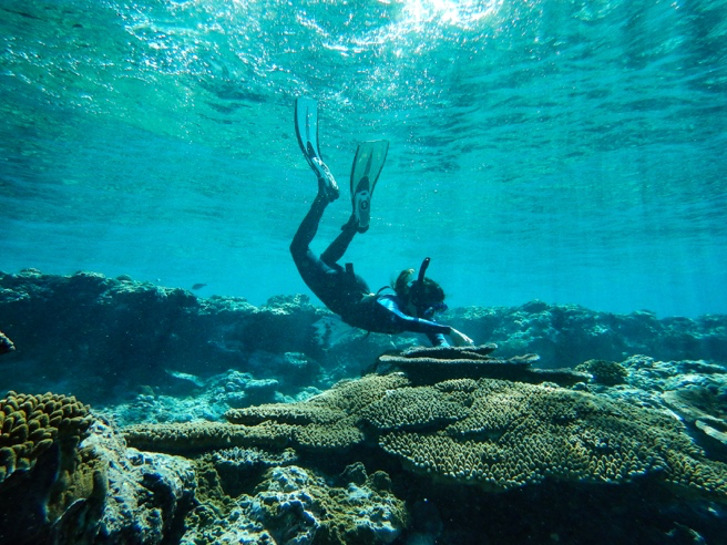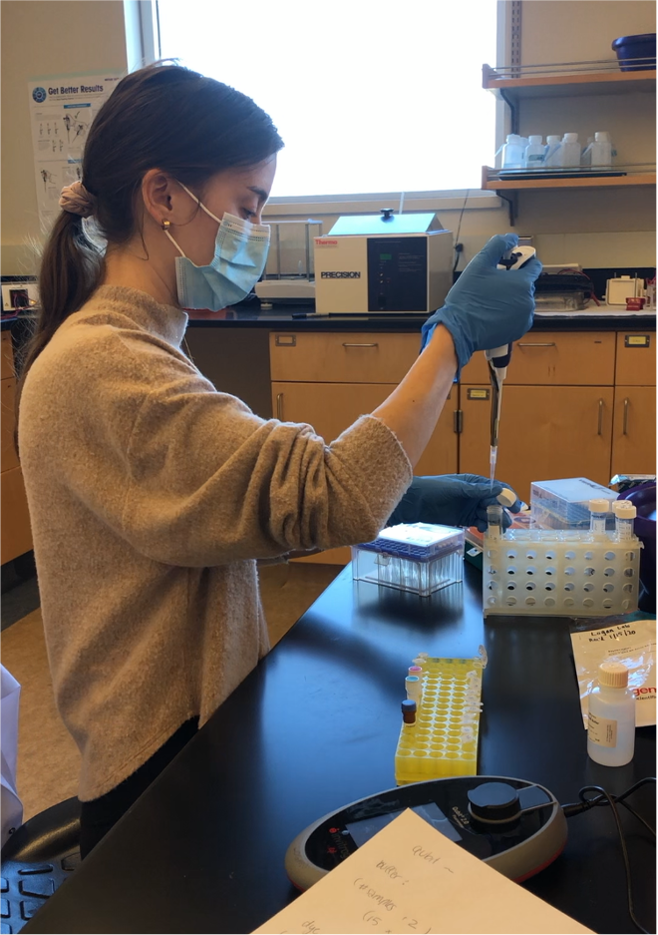

Thesis Defense by Juliana Cornett – May 6th (MLML Seminar Room / Livestream)


"Physiological Responses to Hypoxia in Juvenile Flatfishes"
A Thesis Defense by Juliana Cornett

The Ichthyology Lab | The Logan Lab (CSUMB)

MLML Seminar Room | Live-Stream | May 6th, 2022 at 4:30 pm

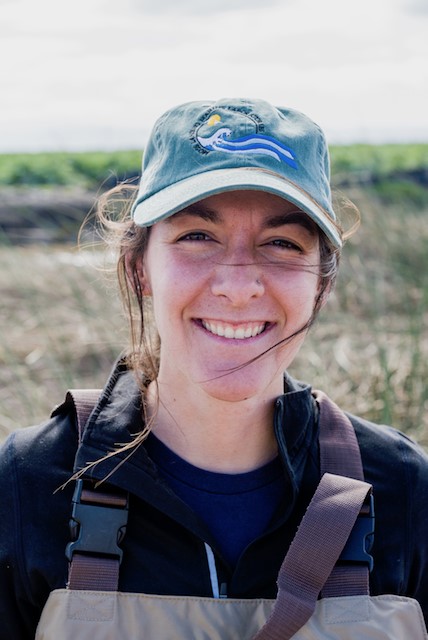
Juliana graduated from the University Honors Program at the University of California, Davis in spring 2018 with a B.S. in Biological Sciences. While there, Juliana participated in undergraduate research in the Grosberg Lab, where she assisted with a project on population genetics of symbionts hosted by sea anemones, and conducted an independent research project on symbiont photosystem performance for her undergraduate honors thesis. She also spent a semester studying abroad at the University of Queensland in Australia. After graduation, Juliana took a gap year, which included work in environmental education and volunteer work in museum education, before beginning her M.S. in Marine Science in the Logan Lab at CSUMB and the Ichthyology Lab at MLML in fall 2019. 

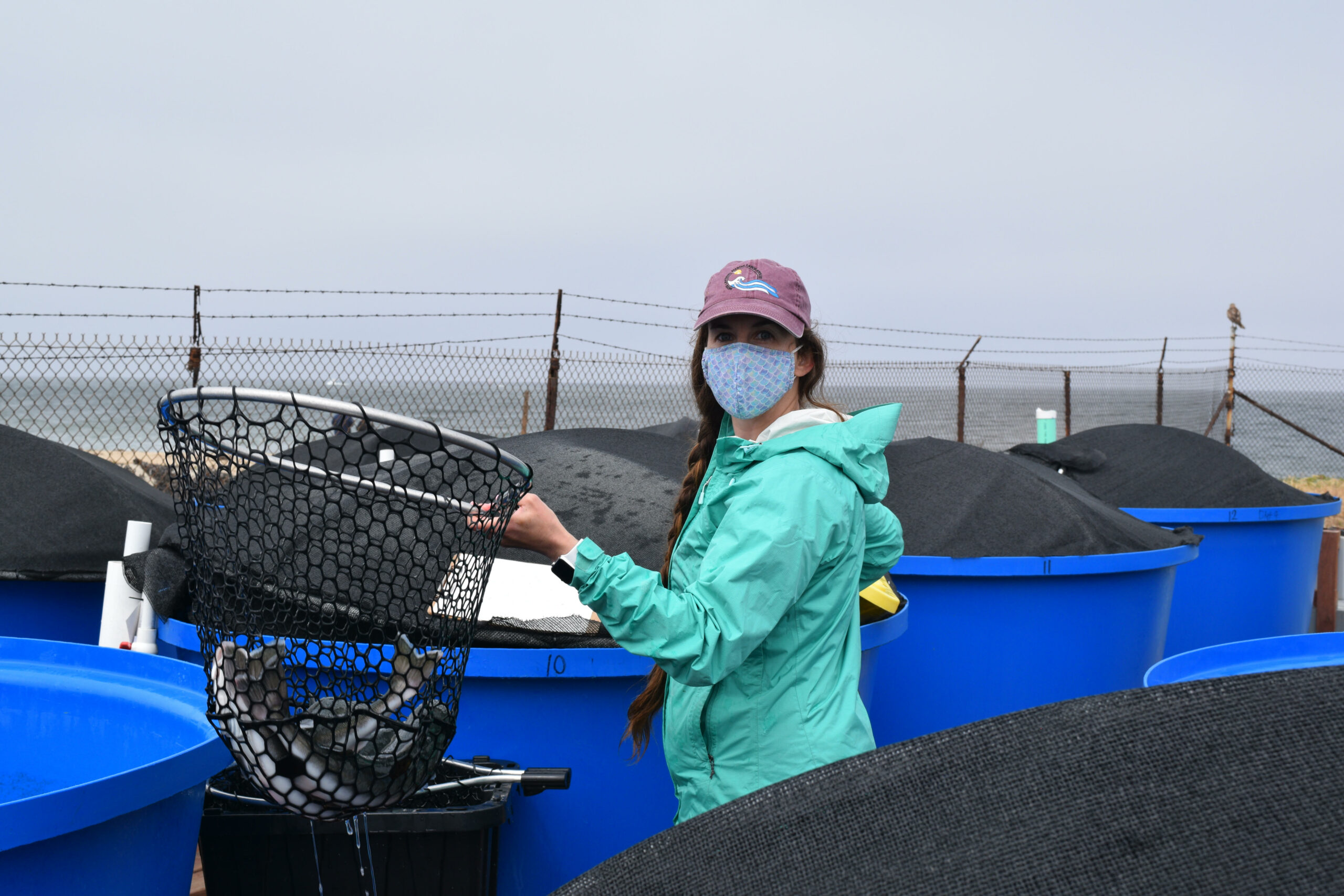
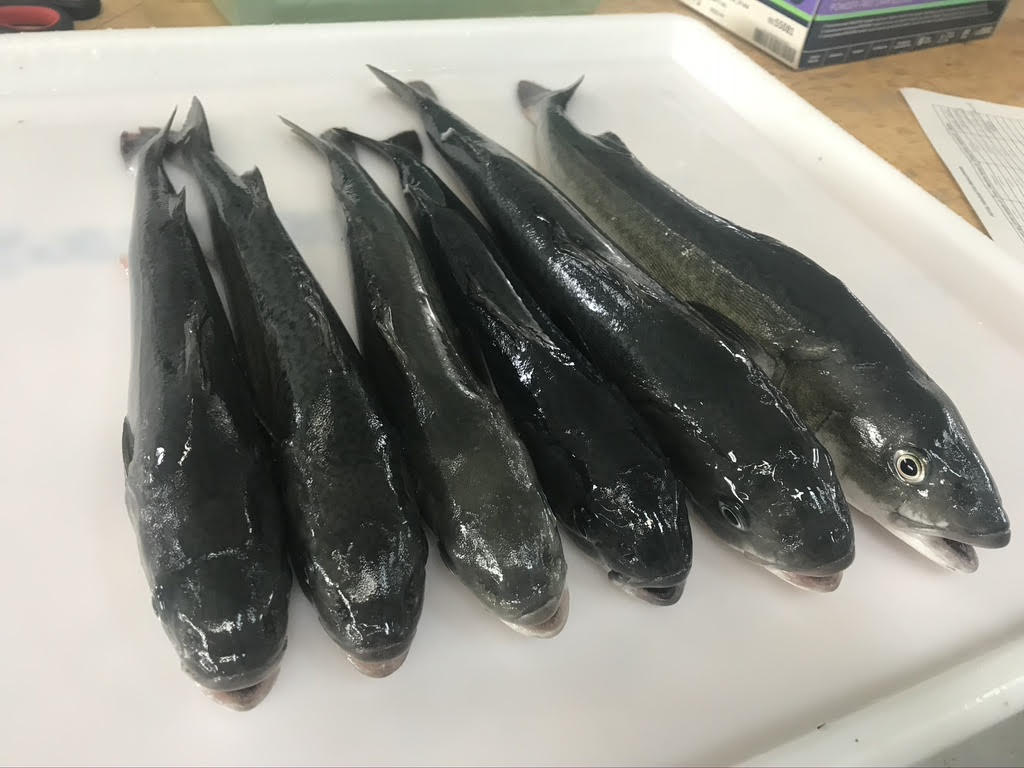
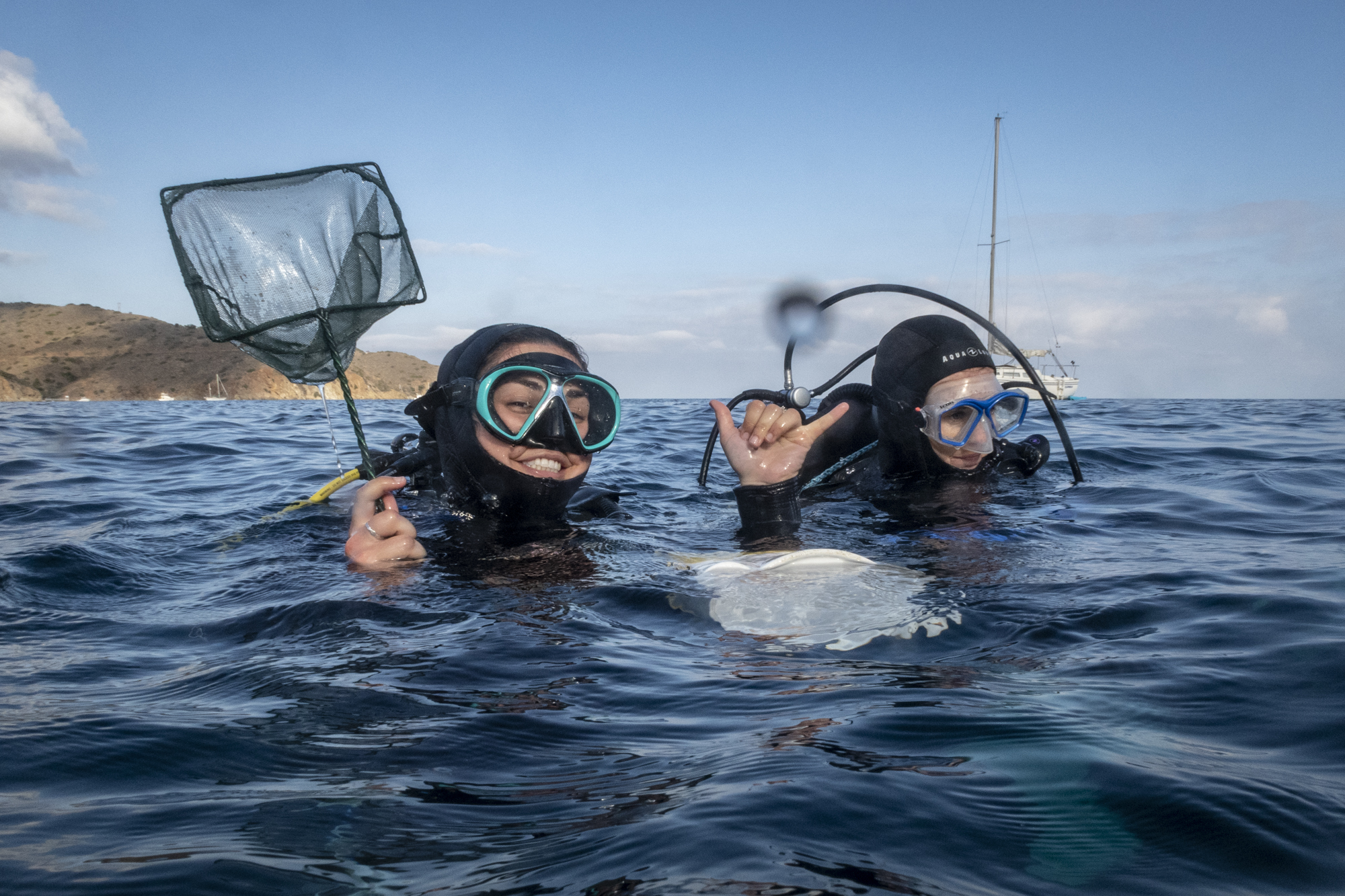
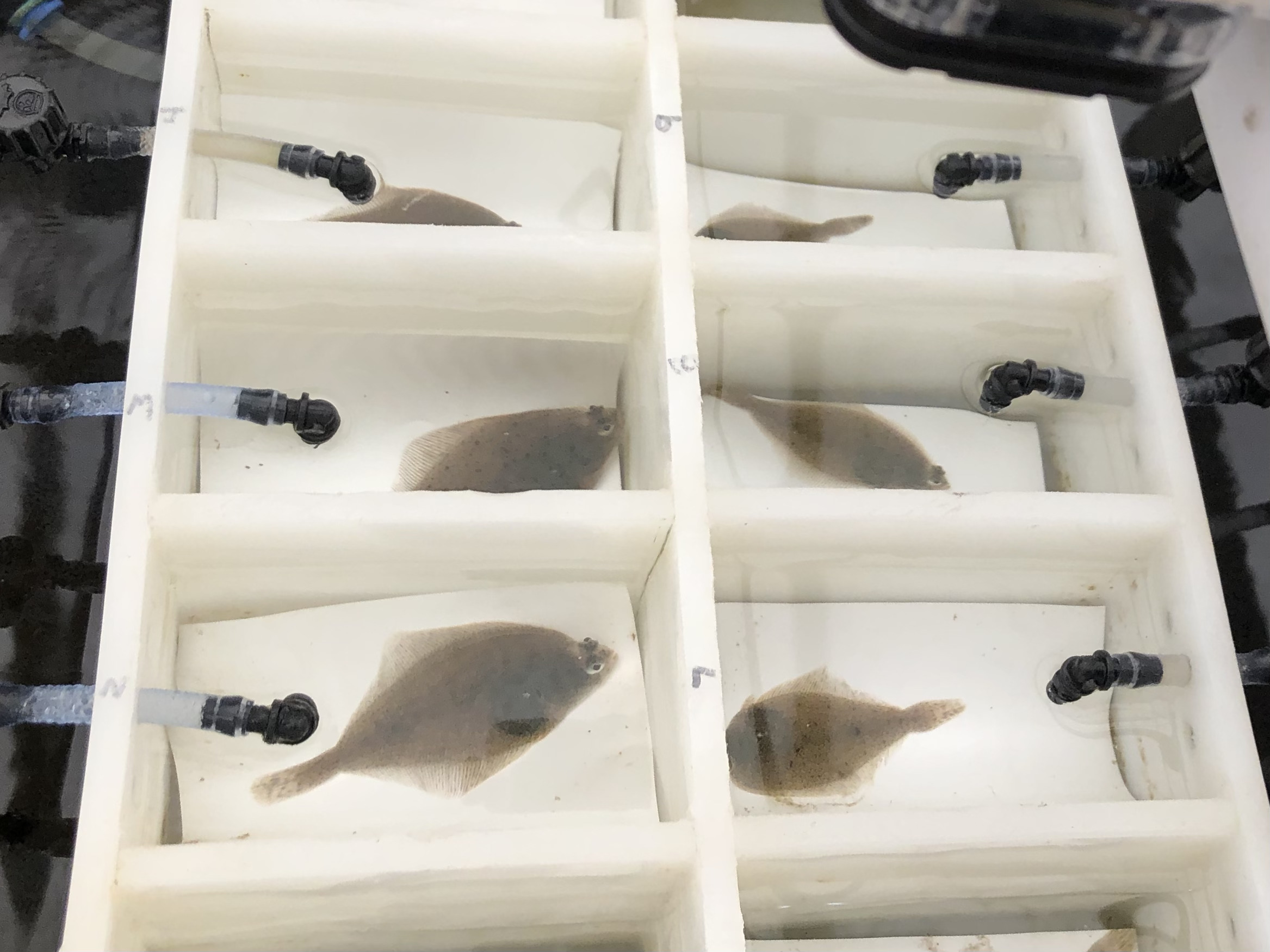
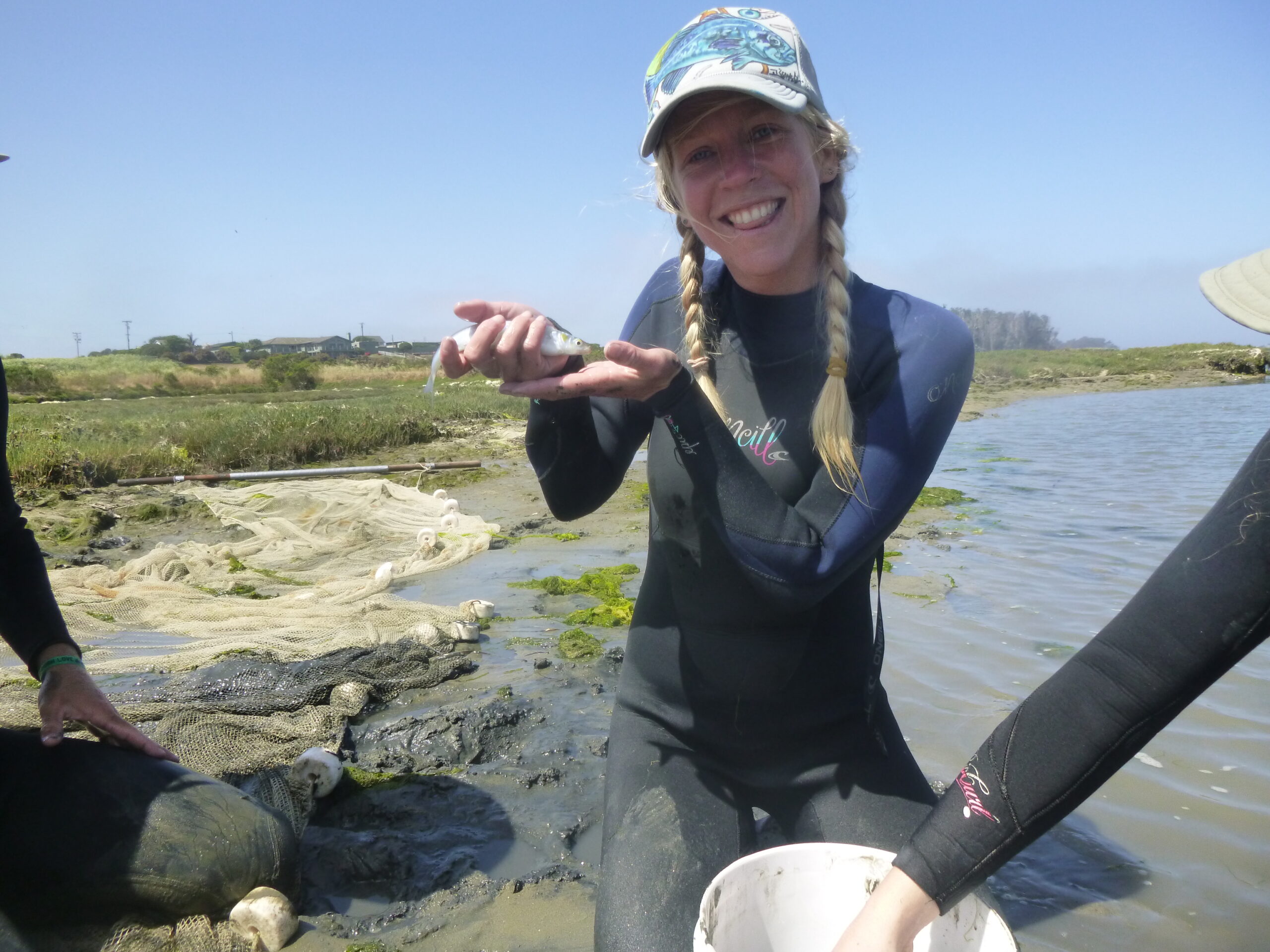
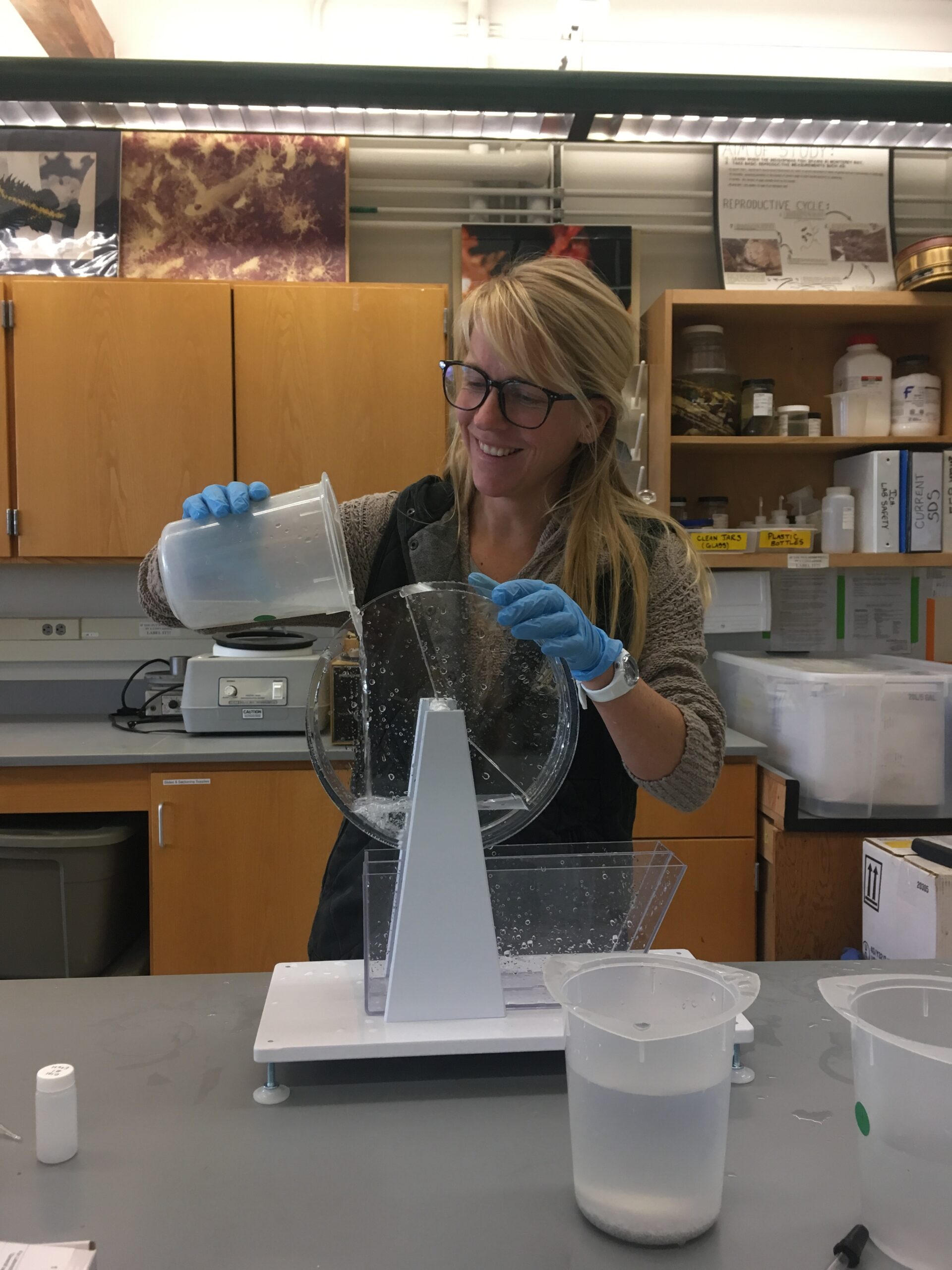
For her thesis, Juliana investigated physiological responses to hypoxia in juvenile flatfishes to determine the implications of hypoxic events in their important nursery habitat in Elkhorn Slough. She presented this research at the SACNAS National Diversity in STEM conference, the Western Society of Naturalists Annual Meeting (where she was awarded “Best Graduate Poster”), and the Ocean Sciences Meeting, in addition to presenting this research in the inaugural “Grad Slam” (3-minute thesis) competition at CSUMB, where she won first place. 

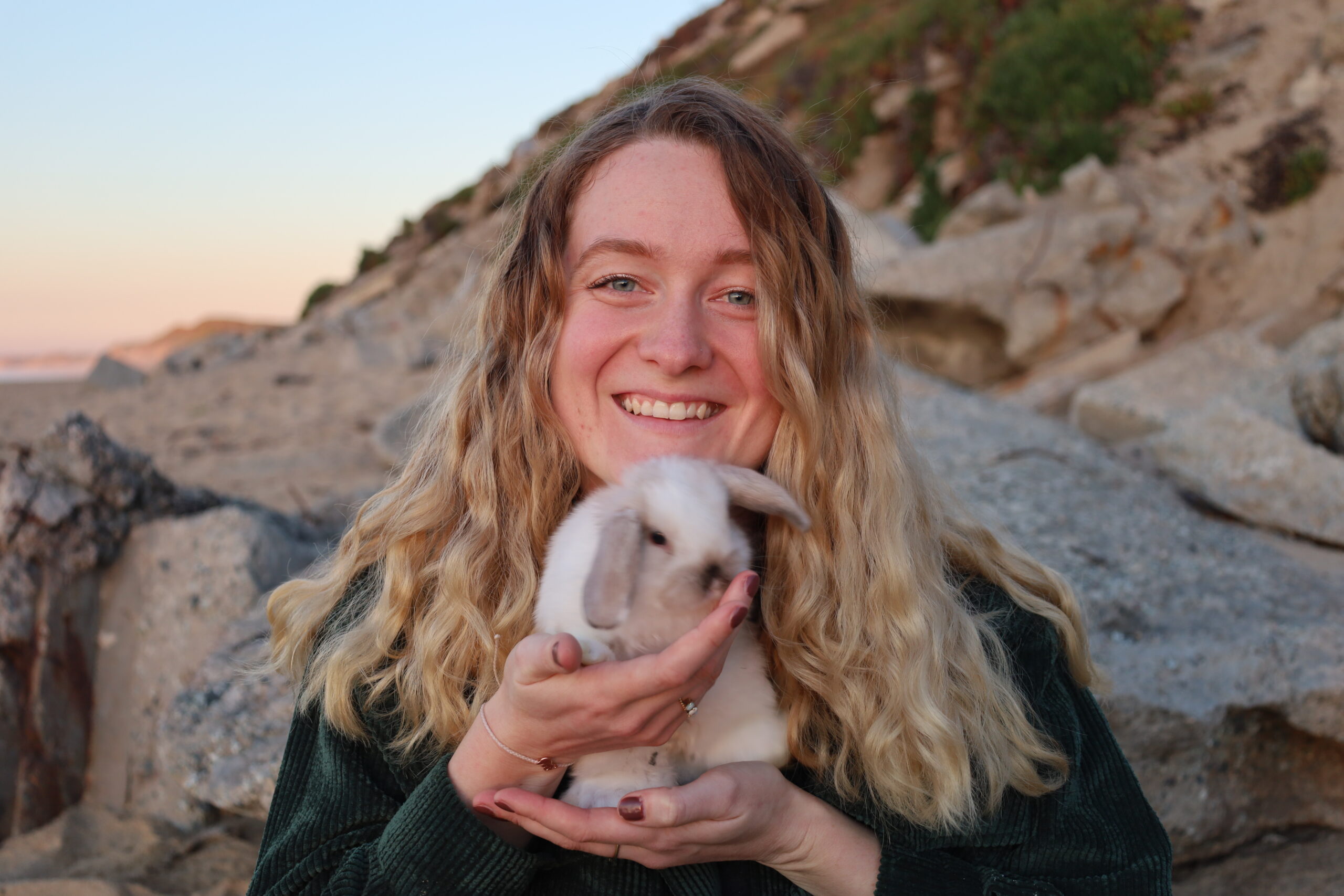
Juliana worked as a teaching associate at CSUMB during her first year of graduate school, before beginning a position as a program assistant for the Coastal and Marine Ecosystems Program (CMEP) at CSUMB. In that role, Juliana helps plan, run, and evaluate all of the educational programs within CMEP, including the Research Experience for Undergraduates (REU) program and the annual Sea Lion Bowl. She also works as a naturalist on a whale watching boat in Moss Landing. When not working, Juliana enjoys spending time with her pets, hiking, photography, and art - mostly watercolor painting and digital illustration. Following graduation, Juliana will be starting an Alaska Sea Grant State Fellowship at the Alaska Fisheries Science Center.

Thesis Abstract:

Estuaries serve numerous important ecosystem roles, including providing critical nursery habitat for juvenile fish. However, due to eutrophication and climate change, estuaries experience highly variable dissolved oxygen (DO) levels and hypoxic conditions. Though hypoxia negatively impacts juvenile fish, there are physiological compensatory mechanisms fish utilize to prevent tissue-level hypoxia. This study examines the effects of hypoxia on two ecologically and economically important flatfish species in Elkhorn Slough on California’s central coast: juvenile English sole, Parophrys vetulus, and juvenile speckled sanddabs, Citharichthys stigmaeus. I measured metabolic rate, ventilation rate, and hematocrit, as well as biochemical indicators of hypoxia (HIF-1a and L-lactate) and oxidative stress (superoxide dismutase), following an acute, six-hour exposure to six DO levels ranging from ambient to severely hypoxic: 8.0, 6.0, 4.0, 3.0, 2.0, and 1.5 mg/L O2. I found that both standard metabolic rate (SMR) and maximum metabolic rate (MMR) in English sole decreased as DO level decreased. A more significant change in MMR compared to SMR also led to a significant decrease in aerobic scope (the ability to increase metabolic rate over resting levels) with decreasing DO levels. For both species, ventilation rate increased as DO level decreased, likely as a mechanism to increase oxygen supply. Both species also exhibited a significant increase in anaerobic activity (increased lactate in muscle tissue) at low DO levels (1.5 mg/L O2 for English sole and 2.0 mg/L O2 for speckled sanddabs). English sole also experienced a significant increase in oxidative stress (as measured by SOD in gill tissue) at 1.5 mg/L O2. Overall, all of these factors can lead to or indicate decreased survival and fitness of juvenile flatfish in hypoxic conditions, with decreased survival potentially reducing population size and fishery success. Evaluating thresholds for tolerance of hypoxia may allow us to predict these changes, as well as determine areas of suitable nursery habitat and targets for estuarine restoration. Since many responses to hypoxia were only observed only at very low DO levels (i.e., 2.0 or 1.5 mg/L O2), these flatfish species appear to have a higher tolerance for hypoxic conditions than other teleost fishes and may be able to withstand many of the environmental hypoxia events observed in Elkhorn Slough, as long as DO levels do not drop below lethal thresholds. Species-specific differences were also found. For two metrics measured, ventilation rate and L-lactate, speckled sanddabs exhibit a nonlinear response, with highest values at mid DO levels, in contrast to a more linear response for English sole, with highest values at low DO levels, suggesting responses to hypoxia may be employed at different DO thresholds for the two species. Additionally, an oxidative stress response was only present in English sole, and not in speckled sanddabs, potentially indicating that speckled sanddabs are better able to withstand hypoxic conditions compared to English sole. If English sole are less tolerant of hypoxic conditions, suitable nursery habitat for this species could be reduced more significantly than for speckled sanddabs, potentially altering the relative distribution and abundance of the two species. 

Juliana Cornett Presents: Physiological Responses to Hypoxia in Juvenile Flatfishes

Thesis Defense by Gammon Koval – April 22nd (MLML Seminar Room / Livestream)


"Factors Affecting Seasonal Variation of Surf Zone Assemblages in Central California"
A Thesis Defense by Gammon Koval

The Ichthyology Lab

MLML Seminar Room | Live-Stream | April 22, 2022 at 4:00 pm

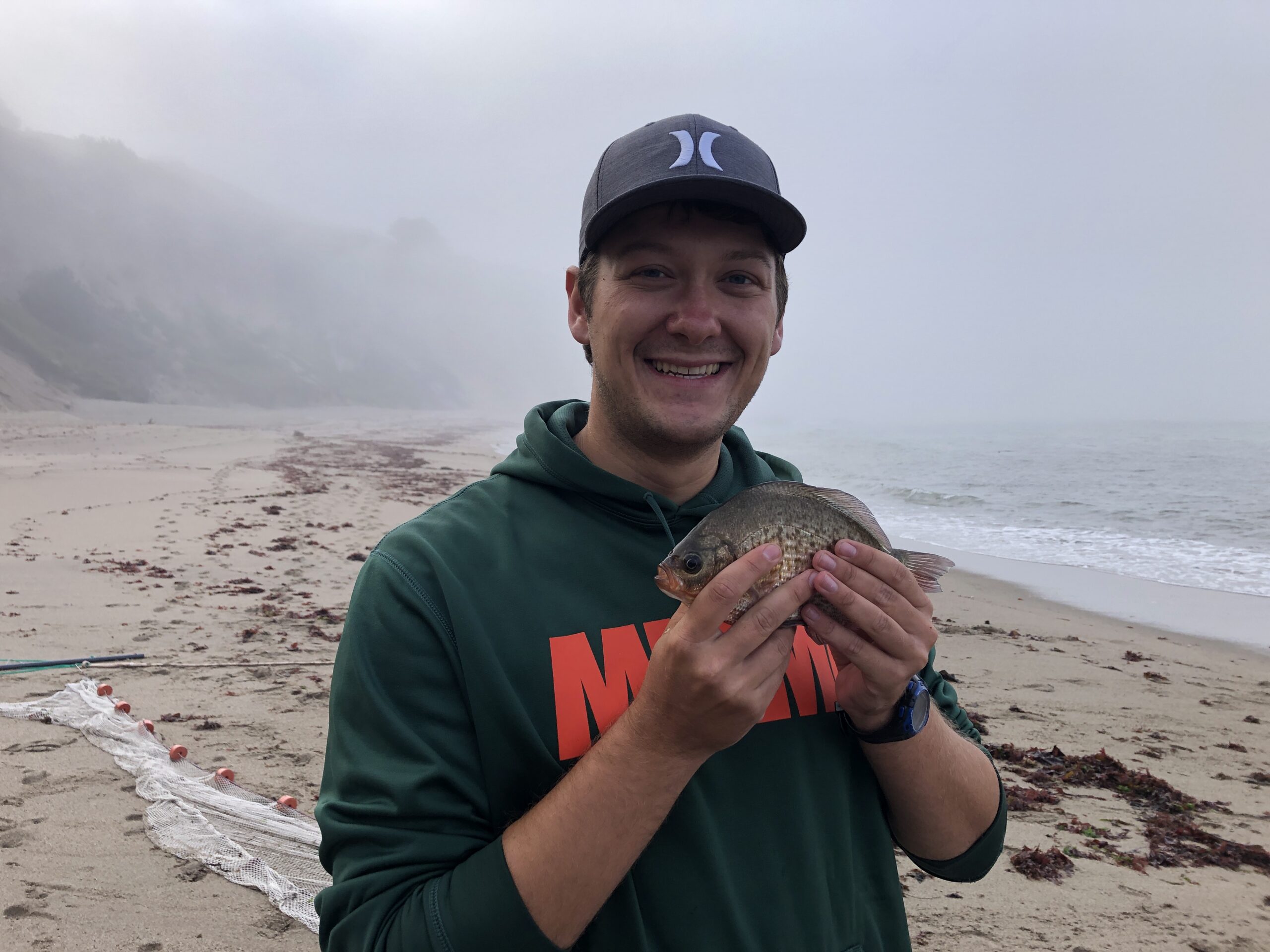
Gammon graduated from the University of Miami (UMiami) in the Spring of 2019 with a BS in Marine Science and Biology. His research career started with Dr. Diego Lirman's Benthic Ecology and Coral Restoration Lab at UMiami and the citizen science based, coral restoration program Rescue a Reef. His primary research project with the lab was investigating the most effective outplanting methods for microfragmented massive corals. He presented his findings at the Reef Futures 2018 conference in the Florida Keys and published the results in the PeerJ scientific journal. Gammon joined the Ichthyology Lab in the Fall of 2019.

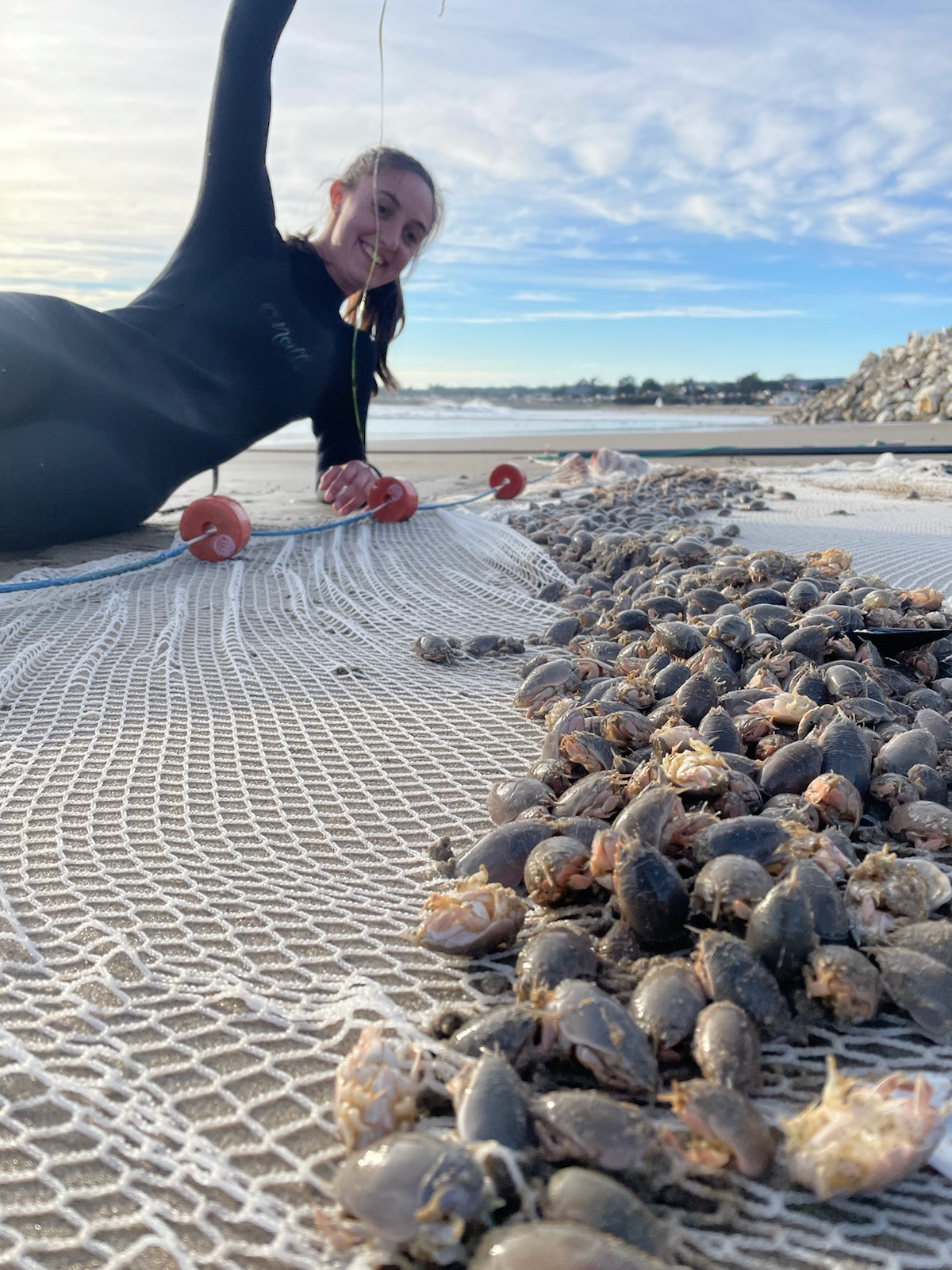
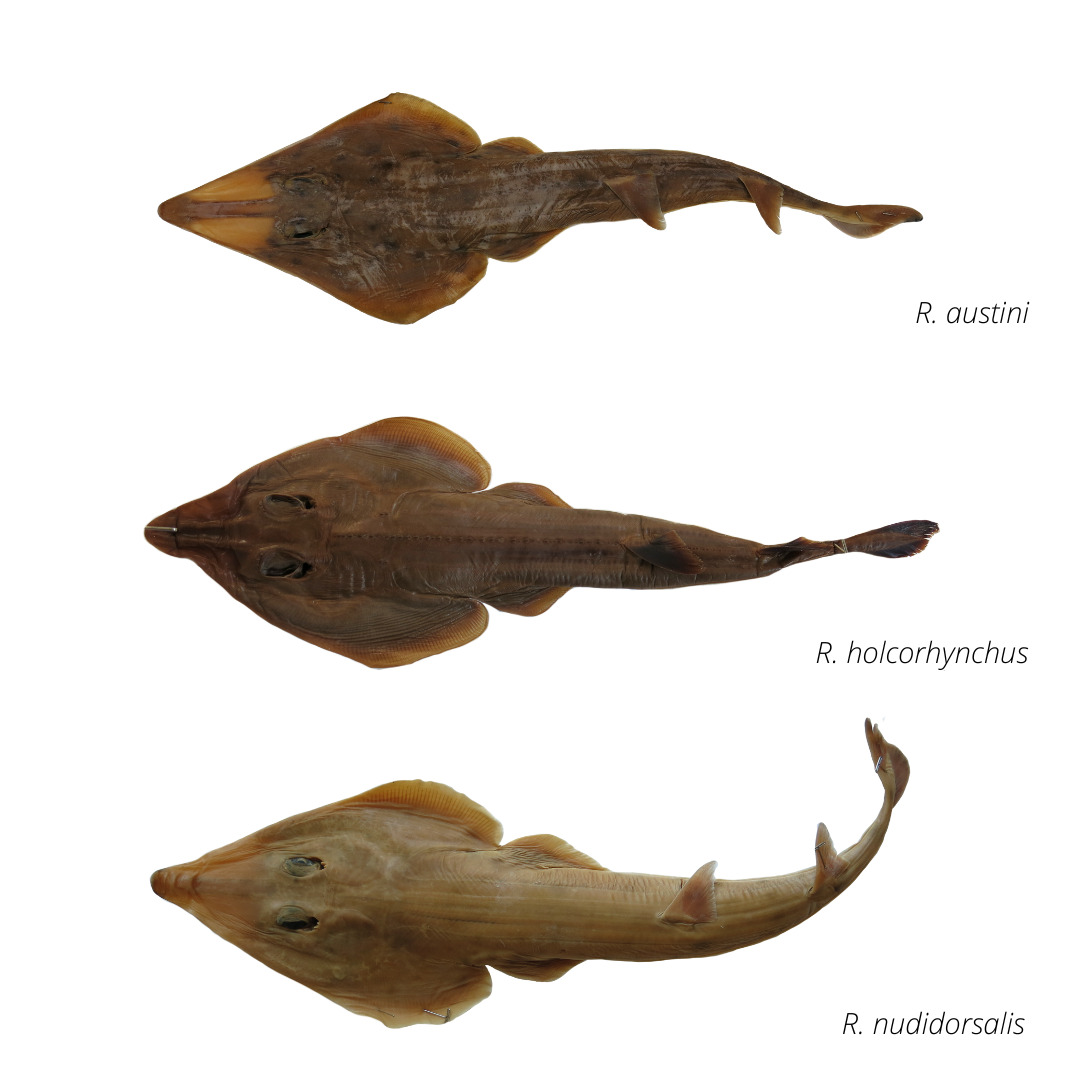
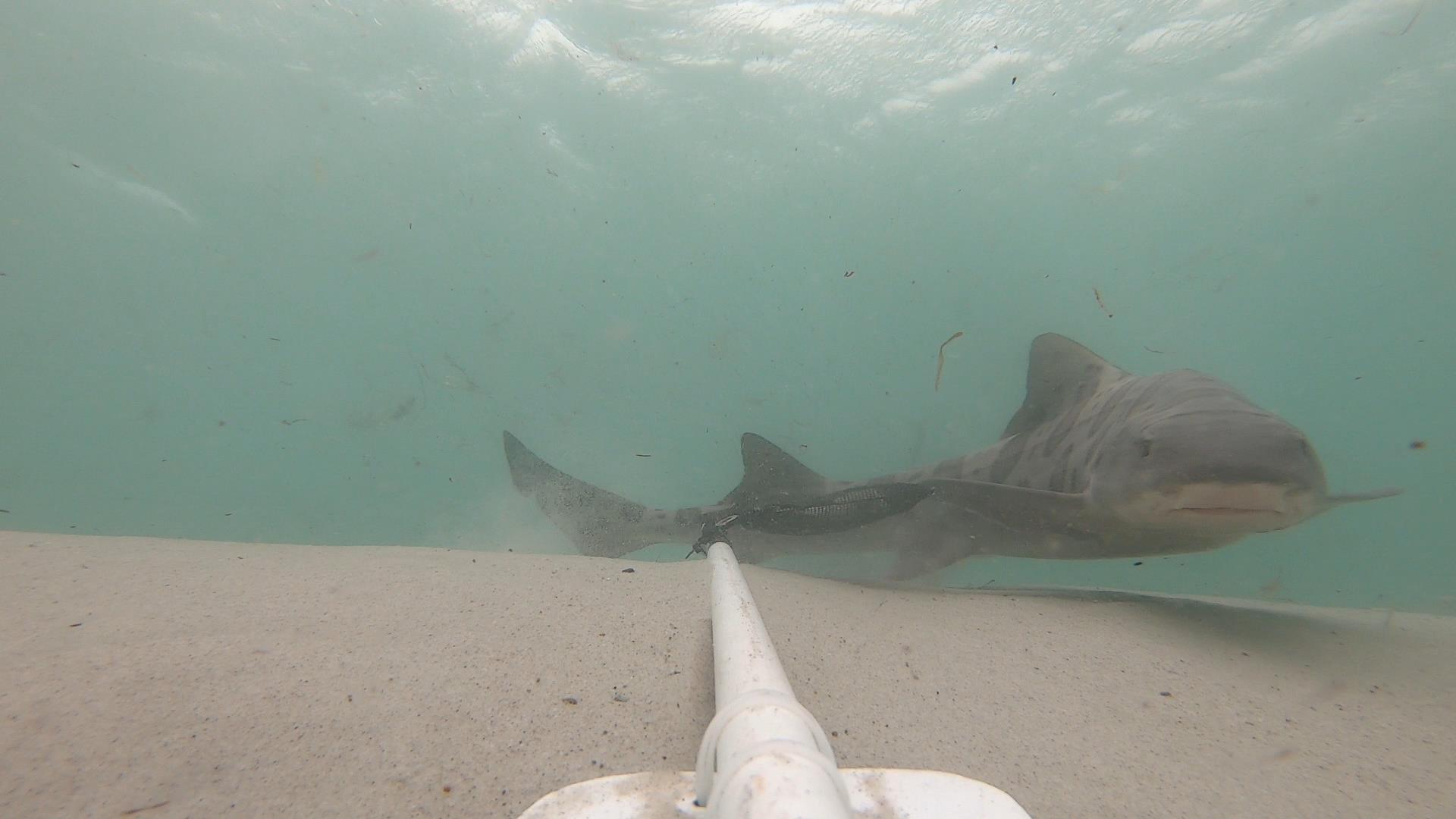
During his time at MLML, Gammon helped lead the efforts for the surf zone marine protected area (MPA) monitoring program which is a project studying the effects of MPAs on California's sandy beaches. The project is a collaborative effort through the University of California – Santa Barbara and Humboldt State University in addition to MLML to sample beaches throughout the state. The project started in 2019 and has continued during the summer every year since. Gammon used this project as inspiration for his thesis by expanding on it to focus on the seasonal changes within the surf here in central California. Through his thesis, he also recorded a rare species of guitarfish that has never been observed north of southern California. With his fellow lab mate, Rachel Aitchison, they published this range extension in the Journal of the Ocean Science Foundation.

When not doing research, you might find Gammon in one of the exhibits at the Monterey Bay Aquarium as a volunteer SCUBA diver helping to keep the inside of the tanks clean. Gammon also works part-time for the California Department of Fish and Wildlife (CDFW) in the geographic information systems (GIS) lab of the Marine Region Department, helping with the California Recreational Fishermen Survey project run by the CDFW. After graduating, Gammon is looking forward to starting a career combining data and policy to help conserve the ocean's resources.


Thesis Abstract:

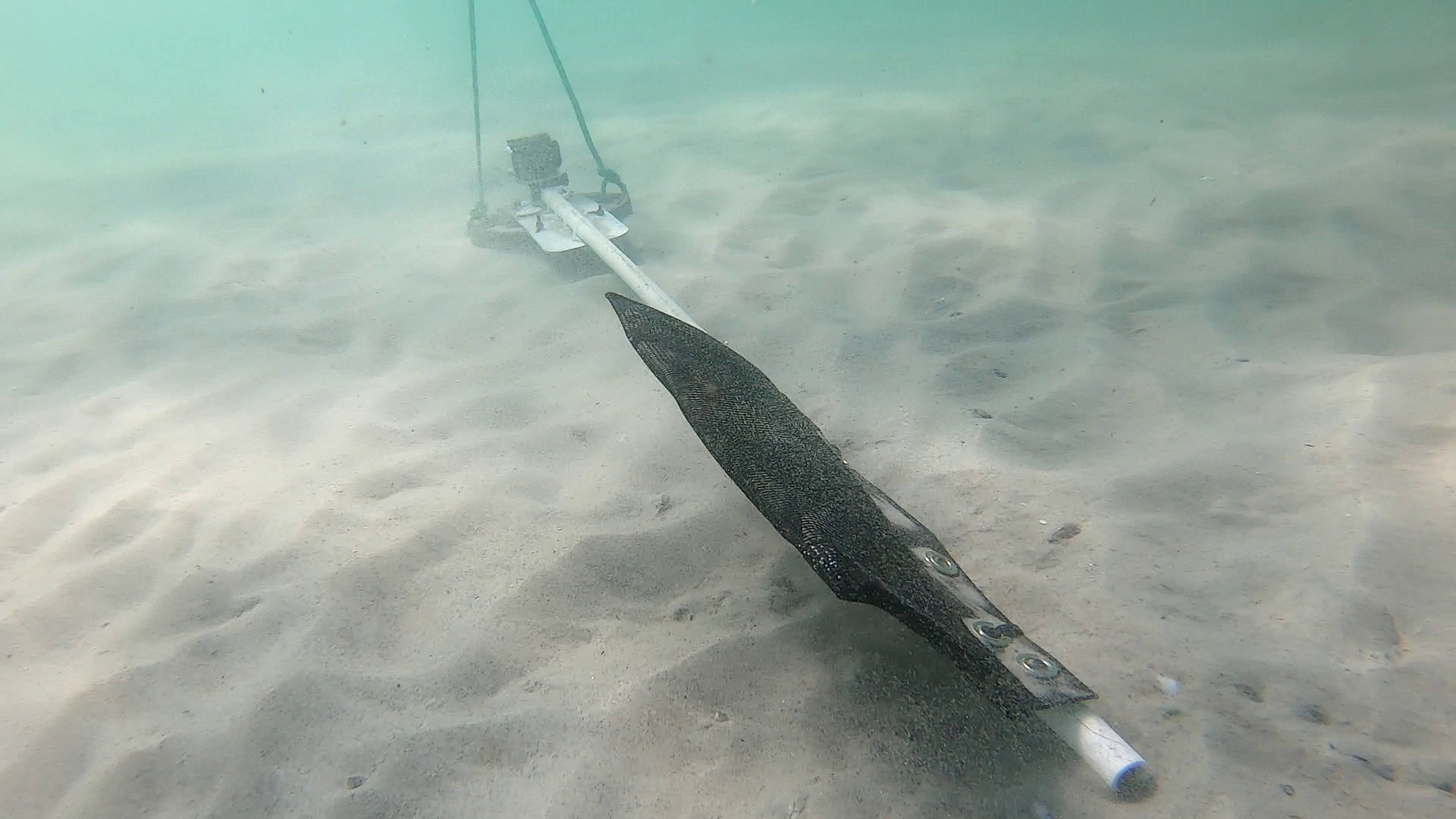
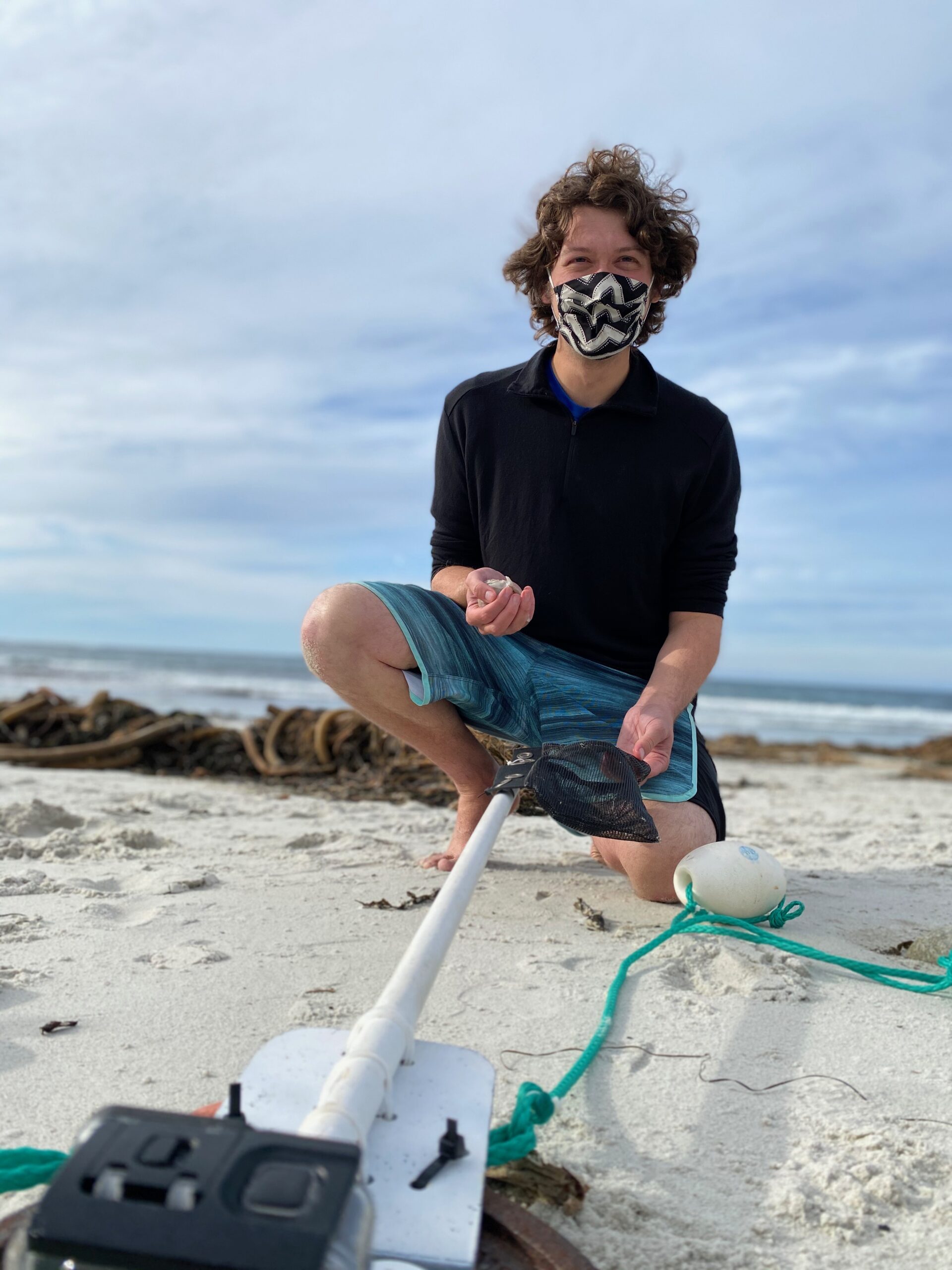
The surf zone is an important and highly dynamic ecosystem situated at the land-sea interface; however, it is relatively understudied in California. Beaches are one of the most, intensely used coastal resources by humans (e.g., recreation, fishing, development), and can be altered by human impacts, potentially affecting the species that reside there. In addition, oceanographic conditions such as upwelling, temperature, and storm-generated waves have a predictable seasonality that may drive shifts in species assemblages throughout the year. This study investigated the factors influencing spatial and temporal changes in surf zone communities at four beaches in central California from July 2020 to June 2021, testing seasonal trends, the effects of marine protected areas (MPA), and associations with environmental conditions. Each site was sampled eleven times, roughly once a month, for the sampling window using replicated (n = 6 per sampling day) horizontal baited remote underwater video stations (BRUVS). The MaxN statistic (i.e., the maximum number of individuals of the same species observed in a single frame of the video), was calculated for fish and invertebrates on each sampling day, while the relative abundance of drift algae was extracted from still frames using percent cover estimation techniques. Environmental data were obtained from in situ observations on the day of sampling (e.g., water temperature, salinity, wind speed, wave height and period) or weather station sources (e.g., wind and wave direction). Fish and invertebrate abundance and community composition were analyzed separately due to differences in relative abundance and behavior. The results indicated that fish assemblages exhibit seasonality. Species like the barred, calico, and walleye surfperch and leopard shark were far more common in the winter and spring and the speckled sanddab was more common in the summer. Other species like the silver surf perch, thornback ray, dwarf perch, and black-and-yellow rockfish were common throughout the year. There were no impacts on seasonality on invertebrate assemblages, but the system was dominated by the purple dwarf olive snail, Pacific sand crab, slender crab, and red rock crab species. Marine protection inside MPAs had a significant impact on the community structure of fish species, with species such as the reef perch, black perch, kelp rockfish, black-and-yellow rockfish, striped surfperch, rainbow surfperch, señorita, cabezon, and pile perch being observed more commonly within MPAs and other species such as the thornback ray, grass rockfish, barred surfperch, and walleye surfperch being more common at reference sites. There were no effects of MPA status on the invertebrate species diversity or community assemblage. Significant environmental variables for both fish and invertebrate species included wave height and visibility with the former being the dominant driver of surf zone assemblage. Fish species like the barred, calico, and walleye surfperch and leopard shark and invertebrate species like the Dungeness crab, purple dwarf olive snail, and Pacific sand crab were more common during larger wave events while most other species were more abundant on calmer days. Future studies should continue monitoring the surf zone to gather additional years of sampling and sample additional MPA sites to determine if there are greater impacts of MPAs on surf zone species. This study is one of the first to study the temporal trends of central California surf zone. The seasonal trends identified and association of species with MPAs provide key insight into the species that inhabit the surf zone and can be used to help inform management decisions on fishing regulations for these species.


Gammon Koval Presents: Factors Affecting Seasonal Variation of Surf Zone Assemblages in Central California

Thesis Defense by Amanda Camarato – December 3rd


"Satellite Remote Sensing & Model Reanalysis Estimates of Upper-Ocean Heat Content in the Canada Basin"
A Thesis Defense by Amanda Camarato

The Physical Oceanography Lab

MLML Live-Stream | December 3rd, 2021 at 12 pm

Thesis Abstract:

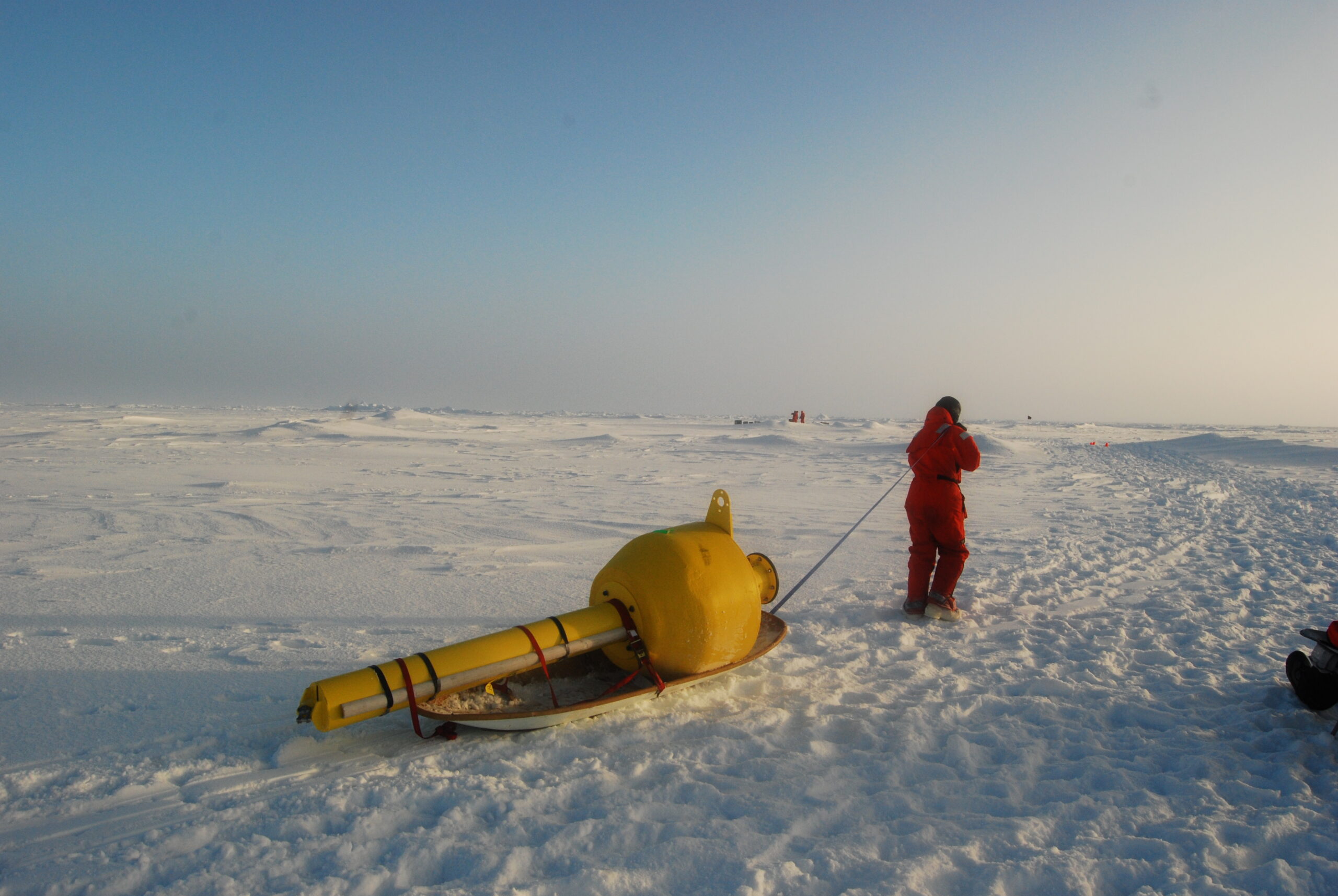
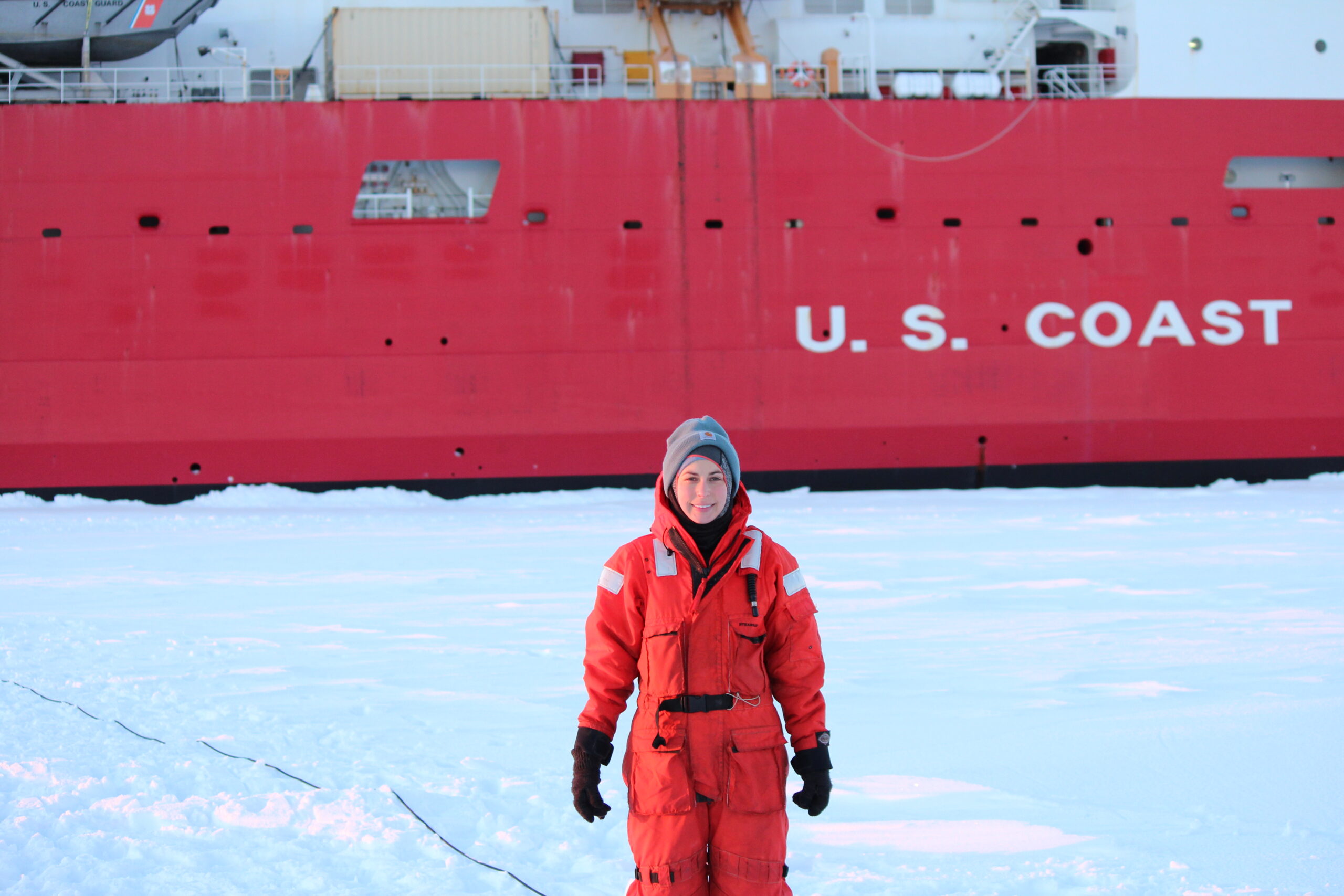
The partitioning of solar radiation entering the upper ocean in the presence of sea ice during the Arctic summer is essential to predicting future ice retreat.  This study compares predicted incoming heat with upper ocean density and thermal structure by constructing a simple, one-dimensional vertical heat budget around drifting buoy clusters deployed as part of the Stratified Ocean Dynamics of the Arctic experiment. Model reanalysis surface heat flux estimates were used with Synthetic Aperture Radar (SAR) and satellite radiometer derived open water fraction (OWF) estimates to construct an incoming surface heat flux budget.   The incoming solar radiation forced upper-ocean heat gains, either stored locally or contributing to ice melt, through open water and the thinning ice cover.  The estimated seasonal heat input directly through SAR-determined open water is roughly 44 MJ m-2, and the measured heat sinks total 104 MJ m-2 for mixed layer heat gain, basal melting, and basal conductance.  Given the lack of sizeable advective heat sources, these results suggest that the residual heat source is through-ice transmittance.  A transmission parameter was estimated from the residual heat flux and comparable to previous in situ observations of ice transmittance.  These results suggest that through-ice transmittance is the dominating heat source around the observation site during the summer 2019 melt season.

Amanda Camarato Presents: Satellite Remote Sensing & Model Reanalysis Estimates of Upper-Ocean Heat Content In The Canada Basin

Thesis Defense by Jacquie Chisholm – November 5th


"Characterizing Shallow Groundwater Nutrient Contribution to California Central Coast Agricultural Sites and Estuaries"
A Thesis Defense by Jacquie Chisholm

The Physical Oceanography Lab

MLML Live-Stream | November 5th, 2021 at 12 pm

Jacquie graduated from St. Edward’s University (SEU) in 2017 with a B.S. in Chemistry. While at SEU, Jacquie participated in a summer undergraduate research program during 2014 as part of a behavioral ecology lab. That summer, she focused on observing the behavior of largespring gambusia (Gamusia geiseri) in the San Marcos River under the guidance of Dr. Raelynn Deaton-Haynes as a TG Grant Summer Research Student. While seining for pipefish in the Gulf of Mexico and snorkeling in the San Marcos River, Jacquie discovered her love for fieldwork-based research.

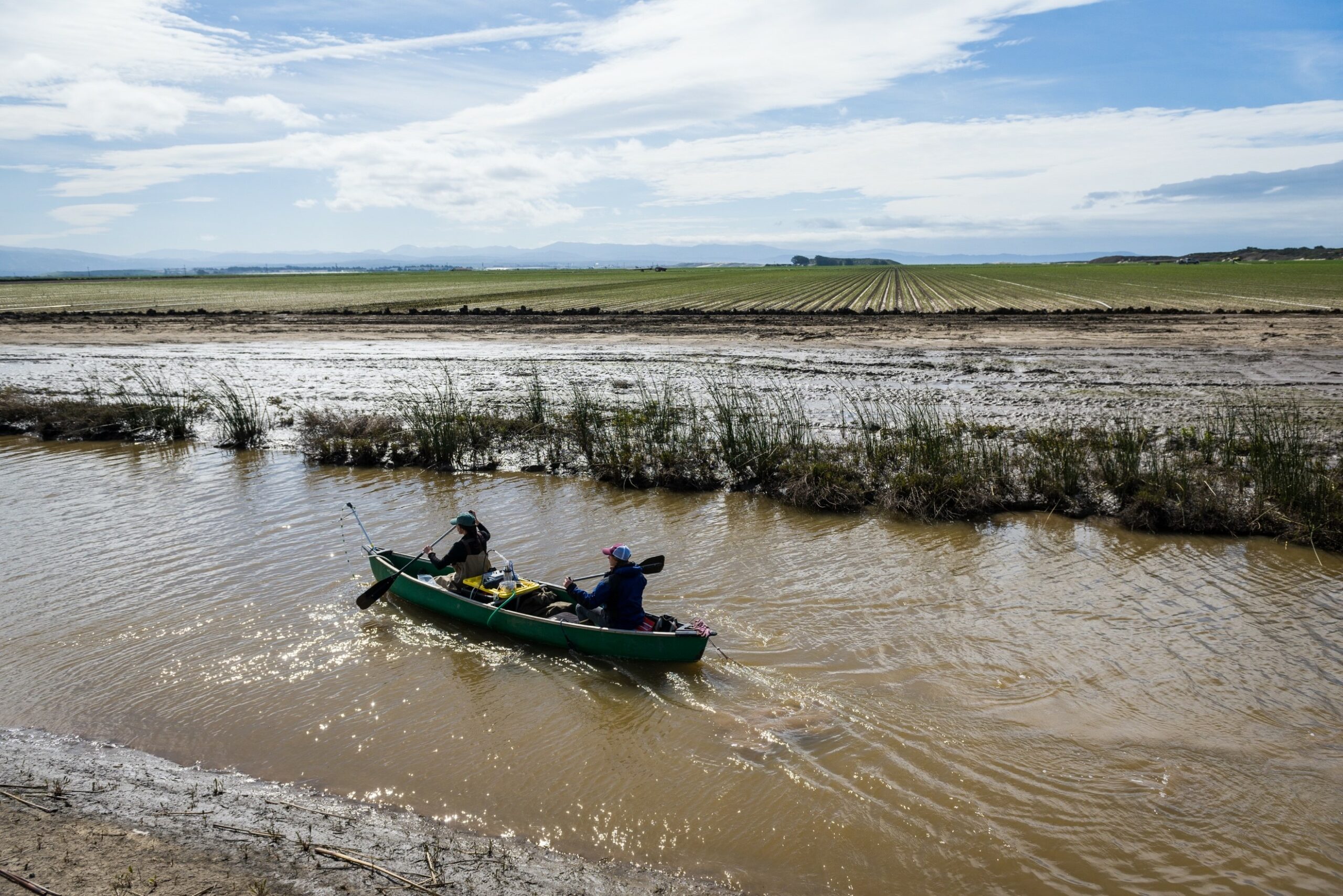
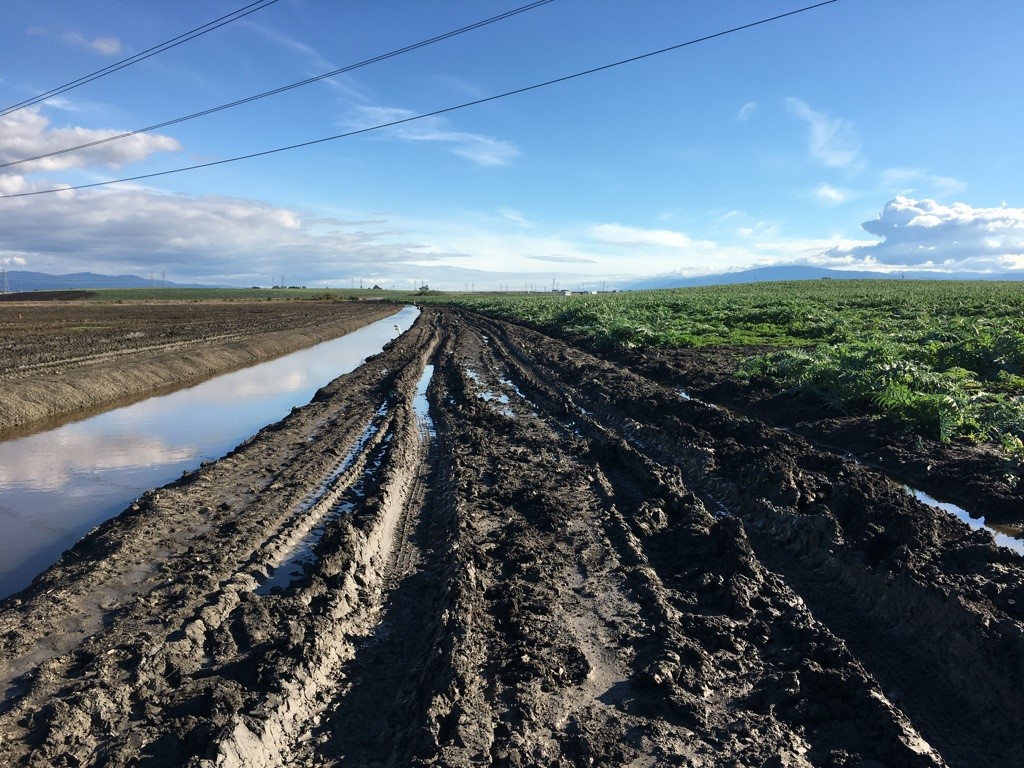
In effort to expand her chemistry interests, Jacquie switched labs and worked under the guidance of Dr. Tricia Shepherd as a Welch Foundation Undergraduate Researcher from 2015 to 2017. She built computation molecular models of carbon nanotubes (CNTs) to research the pore-filling dynamics of water molecules within CNTs. She presented her CNT findings at the 2016 MERCURY Conference and at the 2017 American Chemical Society Conference. After graduating in 2017, Jacquie began a Ph.D. program at University of California, Santa Cruz (UCSC) in the Chemistry and Biochemistry Department as a Regents Fellowship recipient. There, she worked as a Teaching Assistant for various undergraduate chemistry courses. In order to better pursue her interests in marine chemistry and fieldwork, Jacquie left UCSC and joined the Marine Science M.S. program at Moss Landing Marine Laboratories (MLML) in 2018 as a student in the Nutrient Laboratory and the Physical Oceanography Laboratory. Working under Dr. Kimberly Null and Dr. Thomas Conolly, she studied the influence of nutrient-containing shallow groundwater on local agricultural drainage systems as well as on local estuaries as a California Sea Grant Trainee. As a fieldwork-focused project, Jacquie was ecstatic to play in the mud as part of her research project.

During 2019, she was awarded a Graduate Research Grant from the Geological Society of America, received funding from the California State University Council on Ocean Affairs, Science, and Technology, and served as an Undergraduate Research Opportunities Center mentor. Jacquie presented her research findings at the 2019 Elkhorn Slough Science Symposium, the 2019 American Geophysical Union Conference, and the 2019 Coastal & Estuarine Research Federation Conference. When not in the field, Jacquie brewed beer with the MLML Brew Club, volunteered at Elkhorn Slough National Research Reserve as a Bird-Box Monitor, learned to surf, and worked for various local agricultural start-ups. Following her time at MLML, Jacquie looks forward to catching up on hiking, mountain biking, and volunteering as well as pursuing a career focused on water quality.

Thesis Abstract:

Shallow groundwater and shallow groundwater nitrogen have been suspected to influence agricultural tile drains, agricultural drainage ditches, and estuaries within the Lower Salinas Valley (LSV) of California’s Central Coast. This study used geochemical tracers to evaluate the influence of groundwater to each of these water sources. For agricultural sites, groundwater discharge estimates revealed between 51% ± 16% to 95% ± 30% of tile drain water was sourced from shallow groundwater. Stable isotopes of water (𝛿2HH2O and 𝛿18OH2O) confirmed that sump-influenced ditches are influenced by tile drain discharge, and that tile drains are influenced by shallow groundwater. Further, average nitrate as nitrogen (NO3-N) concentrations revealed that NO3-N in sump-influenced ditches were an order of magnitude higher (i.e., 33.78 to 95.21 mg L-1 NO3-N) than non-sump-influenced drainage ditches (i.e., 3.38 to 8.50 mg L-1 NO3-N). Nitrogen concentrations of shallow groundwater were also significantly lower than those of tile drain and sump water, which suggested that shallow groundwater was not the main source of nitrogen to agricultural drainage water. Stable isotopes of nitrate (𝛿15NNO3 and 𝛿18ONO3) within sump-influenced ditches were similar to those in tile drain effluent. However, groundwater nutrient discharge estimates revealed that 2.9 ± 0.7 to 5.4 ± 1.2 kg/d NO3-N of the total 9.4 ± 2.1 kg/d NO3-N from tile drains comes from shallow groundwater, further suggesting that legacy nutrients in shallow groundwater were not the primary source of nutrients to tile drains. Finally, statistical analyses (ANOVA and PERMANOVA) of nitrogen tracers reveals a lack of seasonality in agricultural drainage system nutrient content that requires further investigation to evaluate correlation with annual NO3-N variability of local estuaries and waterways (e.g., Moro Cojo Slough). This study is the first assessment of shallow groundwater influence to agricultural drainage systems via tile drains in the LSV and provides essential information for regional growers regarding nutrient water quality monitoring and best management practices, particularly in light of recent regulatory adoption of the Irrigated Lands Regulatory Program (Ag Order 4.0).

Geochemical tracers were also employed to evaluate the influence of shallow groundwater on characteristic wet season NO3-N increases observed within California Central Coast estuaries. During February 2019, the characteristic NO3-N spike was observed in Moro Cojo Slough, the Moss Landing Harbor, Monterey Bay, Elkhorn Slough, and the Old Salinas River. NO3-N concentrations decreased in Moro Cojo Slough during the dry season, which highlighted the annual variability of nutrients associated with Central Coast estuaries. Radon-222 (222Rn) activities in Moro Cojo Slough surface water did not increase between wet season or dry season downstream monitoring. However, activities were greater along the channel length during the 2019 wet season (2.58 ± 1.39 dpm L-1 222Rn) than during the 2019 dry season (0.81 ± 0.57 dpm L-1 222Rn). Using surface water and groundwater 222Rn activities, groundwater discharge estimates revealed that advective groundwater flux remained low during both seasons in Moro Cojo Slough. Shallow groundwater nitrogen flux estimates revealed that groundwater was not a major source of nitrogen to Moro Cojo Slough during the wet season. Elevated dry season shallow groundwater NH4-N concentrations suggested that groundwater may significantly contribute to dry season surface water nitrogen in Moro Cojo. 222Rn activities in Elkhorn Slough (2.38 ± 1.42 dpm L-1 222Rn) were similar in magnitude to Moro Cojo Slough, while 222Rn activities in the Old Salinas River were an order of magnitude higher (25.0 ± 4.25 dpm L-1 222Rn ). Paired with our findings from Old Salinas River watershed agricultural drainage ditches and tile drains, we argue that elevated 222Rn activities in the Old Salinas River were from 222Rn-rich tile drain discharge rather than from advection of shallow groundwater to the channel. These findings highlight that groundwater via advective flux is not a significant source of water or nitrogen to California Central Coast estuaries, but that shallow groundwater discharge via tile drains plays an important role within the watershed.

Thesis Defense by Kristin Saksa – August 20th


"Effects of climate change induced ocean acidification and hypoxia on larval gopher rockfish"
A Thesis Defense by Kristin Saksa

The Ichthyology Lab

MLML Live-Stream | August 20, 2021 at 1 pm

I am an ocean lover- swimmer, surfer, SCUBA diver, kayaker, sailor, snorkeler, and marine scientist. I’ve spent the last ~10 years doing research on the effects of climate change on marine species and intend to continue on this path!

I majored in Environmental Studies and Philosophy at Santa Clara University (undergraduate) and post graduation returned to Bainbridge Island, WA to get involved with the aquaculture world on the Olympic Peninsula. I began working for Taylor Shellfish as part of the research department and became very engaged with the negative effect ocean acidification is having on local shellfish.  I worked for the UW School of Aquatic and Fisheries Science to look at multi-generational effect of ocean acidification on Pacific oysters. I assisted with a study on a Purple Hinge Rock Scallop growth for commercial development of the scallop industry. I spent my off seasons getting my SCUBA DiveMaster, working as a kayak guide, and interning in Auckland, NZ for a common dolphin population dynamics study.

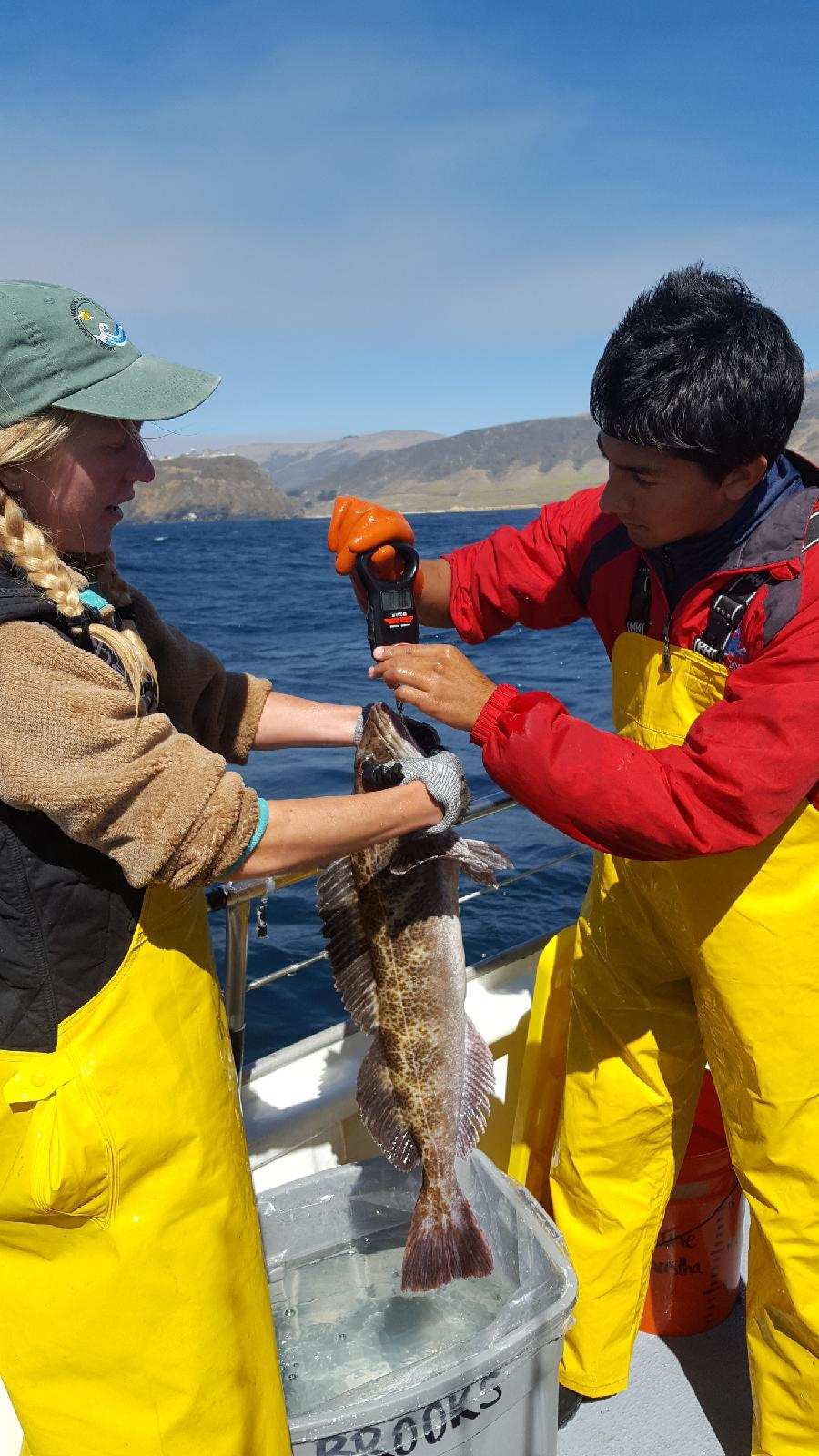
I am currently in the Ichthyology lab at During graduate school I worked at the Southwest Fisheries Science Center (SWFSC) Ecology Division (NOAA) in Santa Cruz on climate change studies focused on rockfish reproduction.  My thesis research is specifically focused on how changing ocean chemistry (pH and dissolved oxygen) affect larval rockfish survival, deformity and metabolism.  I spent most of my Spring time at the NOAA lab waiting for rockfish to give birth, always on call, a rockfish midwife if you will.  Throughout the rest of the year I have been assisted with another project on the effect of climate change on juvenile rockfish. I helped collect juvenile rockfish at Stillwater Cove and ran behavioral and physiological trials at the NOAA lab in Santa Cruz.

I am moving to Vermont (eek far from the ocean!) for the fall to finish up with thesis edits before moving back to Washington state where I hope to get a job as a fish biologist or marine scientist.


Thesis Abstract:

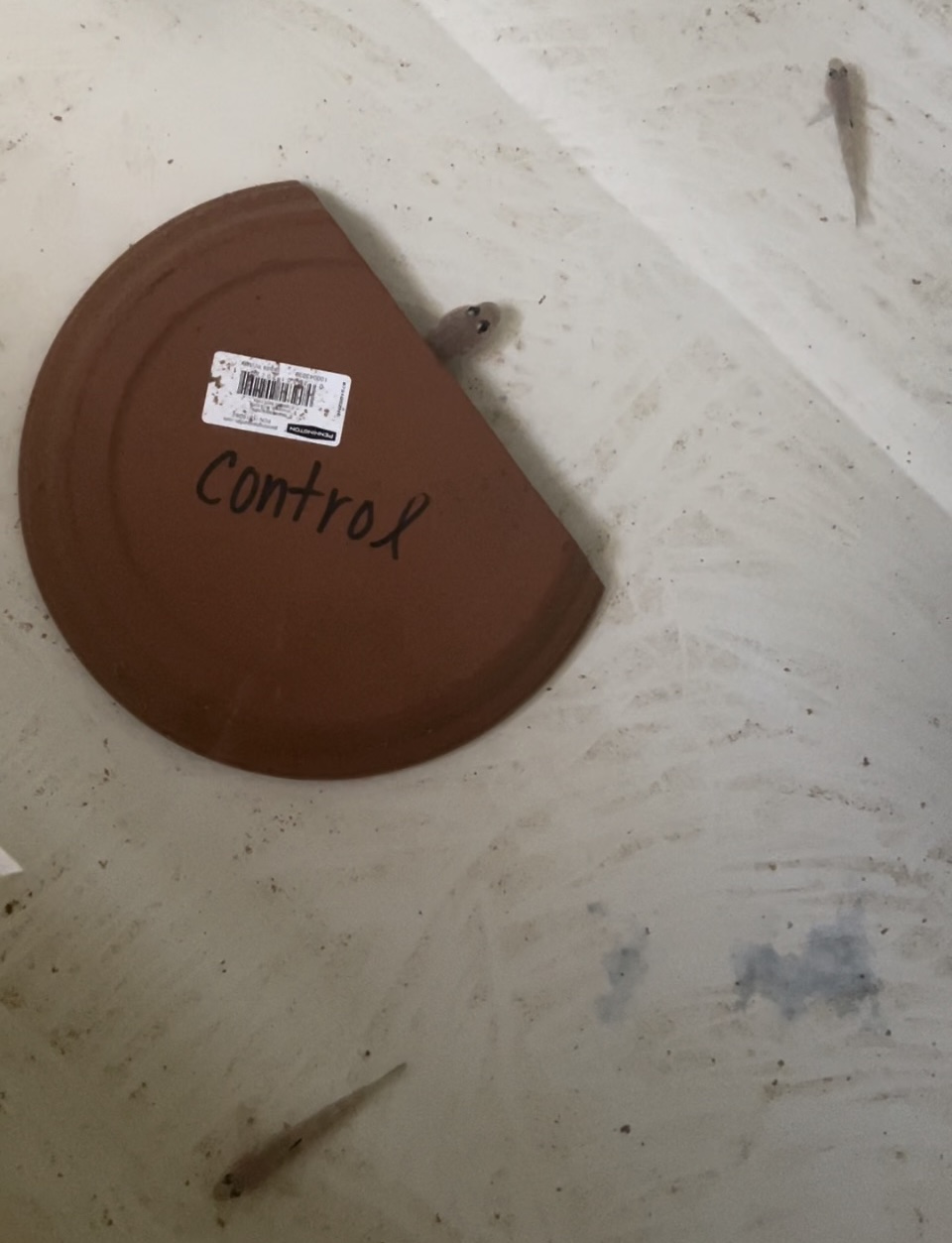
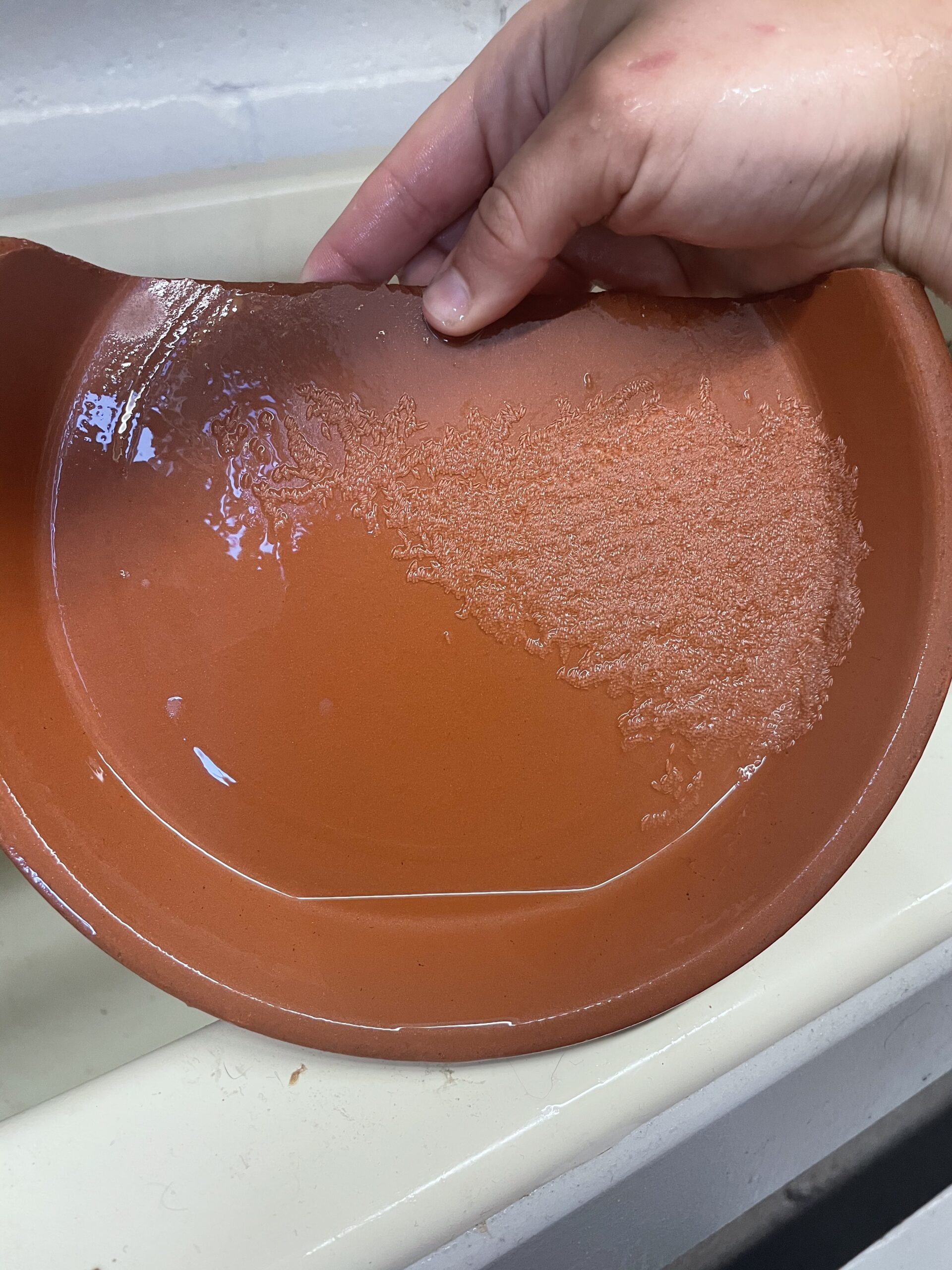
The California Current ecosystem is experiencing dramatic changes in ocean chemistry resulting in ocean acidification (i.e., decreasing pH) and hypoxia (i.e., lower dissolved oxygen [DO] levels). These changes are exacerbated by increases in upwelling intensity and shoaling of the oxygen minimum zone. Gopher rockfish (Sebastes carnatus) are an ecologically and economically valuable rockfish species, whose habitat is becoming increasingly inundated with low pH and low DO water. To test how ocean acidification and hypoxia may interact to influence the reproductive process in Gopher rockfish, we exposed gravid females of both species to 4 treatments throughout the gestation period: 1) low pH (pH 7.5); 2) low DO (DO 4.0 mg/L); 3) a combined stressor (pH 7.5 x DO 4.0 mg/L); and 4) control (pH 8.0 x DO 8.0). Post-parturition, larvae from each brood were seeded into each of the 4 treatments to evaluate survivorship, metabolism, and hypoxia tolerance as a function of the prior maternal treatment conditions and the subsequent larval treatment. The remainder of the brood was collected and preserved to later quantify the percent deformity of the brood and total fecundity. Our research indicates that Gopher rockfish larvae are resilient to low pH (pH 7.5) and low DO (DO 4.0mg/L) based on both maternal and larval exposures to these stressors. Gopher rockfish may be adapted to gestating in these conditions because their reproductive season overlaps with Spring upwelling on the central California coast. There are some indications of sensitivity to these stressors shown by non-significant trends toward higher percent deformity and lower fecundity in low oxygen stressors. It is unknown how Gopher rockfish will respond as ocean acidification and hypoxia progress due to climate change.


Thesis Defense by Melissa Naugle – July 23 Livestream


"Effects of Land-Based Sources of Pollution on Coral Thermotolerance"
A Thesis Defense by Melissa Naugle

The Invertebrate Ecology Lab

MLML Live-Stream | July 23, 2021 at 10 am

Melissa Naugle graduated from University of Maryland, College Park in 2016 with a B.S. in Environmental Science and Policy. During her time at UMD, she had the opportunity to participate in a coral monitoring internship in Thailand where she learned to SCUBA dive. After that experience, Melissa knew she wanted to pursue marine science research. After graduating, she began a research position at Georgetown University, where she studied how disturbance affects the community ecology and population genetics of salt marsh arthropods. Melissa began her Master’s at California State University, Monterey Bay and Moss Landing Marine Labs in 2018 in the Logan Lab and the Invertebrate Ecology Lab. She studies coral responses to stress and is interested in using genomics to learn more about coral conservation. During her time at MLML, Melissa has taken part in multiple outreach activities including a mentorship program she led called Future Leaders in Marine Science, which aims to teach marine science to high schoolers at North Monterey County High School. She served on MLML student body as CSUMB representative. She also served as a MLML liaison, and later as co-chair of the Monterey Area Research Institution’s Network for Education (MARINE). Melissa has also worked at the Monterey County Public Health Laboratory, processing PCR tests for COVID-19 and later sequencing SARS-CoV-2 viral RNA to monitor variants across Monterey County. After graduating from MLML, Melissa will begin a PhD with the Reef Restoration and Adaptation Program and Southern Cross University to study genetic markers of coral bleaching on the Great Barrier Reef.

Thesis Abstract:

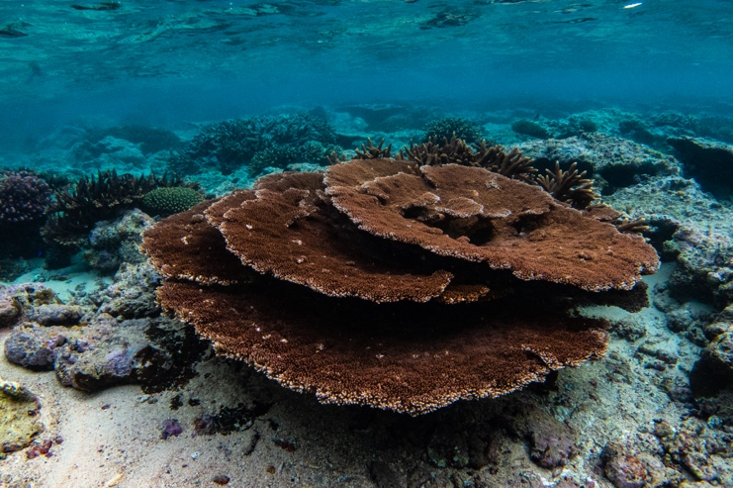
Phenotypic plasticity is one way that species may cope with stressful environmental changes associated with climate change. Reef building corals present a good model for studying phenotypic plasticity because they have experienced rapid climate-driven declines in the past twenty years, often with differential survival among individuals during heat stress. One potential reason for underlying differences in thermotolerance may be due to differences in baseline stress levels. Stress associated with pollution has been shown to produce synergistic effects with heat stress, exacerbating the physiological damage of heat stress. Conversely, it is possible that mild pollution stress could prepare corals to better cope with heat stress via cross tolerance mechanisms. Cross tolerance occurs when a mild stressor prepares an organism for more extreme, subsequent stress, reducing the impact of that stressor on the organism. To examine these two possibilities, acute heat stress experiments were conducted on Acropora hyacinthus from five sites around Tutuila, American Samoa with differing pollution impact. Bleaching responses were measured visually, using photographic assessment to estimate chlorophyll content, and using pulse amplitude fluorometry to measure photosynthetic efficiency. Endosymbiont community composition was assessed at each site using quantitative PCR. RNA sequencing was used to compare differences in genes expression patterns prior to and during heat stress. Symbiont communities differed among sites, with heat tolerant Durusdinium dominating in areas with higher pollution impact and heat sensitive Cladocopium more common in pristine areas. Pollution stress may induce a shift towards Durusdinium thereby enhancing resistance to subsequent heat stress in the near term. Gene expression patterns showed few differences correlating to site or pollution level. Thermotolerance, however, did affect gene expression patterns, both during heat stress and in control conditions. In this thesis, I present potential mechanisms underlying coral thermal tolerance in pollution-impacted areas. My results highlight the importance of measuring pollution impacts on thermotolerance and identifying heat tolerant corals in “non-pristine” areas and their potential to seed nearby reefs following bleaching events.

Melissa Naugle Presents: “Effects of Land-Based Sources of Pollution on Coral Thermotolerance”

Thesis Defense by Holly Doerr – July 21 Livestream


"Species-specific transcriptomic responses of juvenile rockfish (Sebastes) to simulated future upwelling conditions"
A Thesis Defense by Holly Doerr

The Ichthyology Lab

MLML Live-Stream | July 21, 2021 at 2 pm

Holly graduated from the University of Missouri – Columbia (MU; MIZZOU) in 2016 with a B.S. in Biological Sciences. During her time at MU, she worked under the guidance of Dr. Elizabeth Bryda in her Comparative Medicine lab at the MU College of Veterinary Medicine and investigated the effects of exposure to a common brain parasite (Pseudoloma neurophilia) on the behavior of larval zebrafish for her undergraduate capstone projects, and also assisted then PhD student Daniel Davis with his research investigating the ability for a common probiotic (Lactobacillus plantarum) to mitigate stress-induced dysbiosis in the gut microbiome of adult zebrafish. Holly began the Moss Landing Marine Laboratories (MLML) Masters program in the fall of 2016, initially joining the Biological Oceanography Lab and later switching to join the Ichthyology Lab at MLML and the Logan Lab at CSUMB in April of 2018 after realizing her interests were better suited studying marine fish physiology. During her time at MLML, she thoroughly enjoyed countless friendships and the ability to help on at least 10 other lab and thesis projects both at the bench and in the field. Likewise, during this time Holly also served three semesters as student body vice president, volunteered at 4 Open House events on the food committee, in the puppet show and in both the Bio Oce and Ichthyology labs, and was employed in a variety of roles - including one year as Student IT Help Desk Assistant, a little over a year as a research technician on a Ballast Testing project, two semesters as a TA, and two years as a Naturalist/Deckhand for Sea Goddess Whale Watching in Moss Landing, CA. In January of 2021 she moved to North Carolina with her husband where she finished up her thesis writing and is currently employed part-time as a research technician on UNC - Chapel Hill's shark surveys. After graduation, Holly looks forward to spending more time pursuing hobbies of swimming, hiking, camping, painting and reading, and exploring North Carolina with her husband and two dogs!

Thesis Abstract:

Anthropogenic climate change is predicted to trigger large-scale changes in ocean chemistry over the next few decades. These conditions may be exacerbated in coastal upwelling regions where strong, seasonal increases in pCO2 and hypoxia are expected to intensify under climate change. Nearshore rockfishes (genus Sebastes) may already be adapted to fluctuating upwelling environments along the west coast of North America, but further shifts in ocean chemistry could push individuals beyond their physiological thresholds. I examined the effects of future upwelling conditions by simulating fluctuating vs. static levels of combined high pCO2 and low dissolved oxygen (DO) on the gill transcriptomes of three juvenile rockfish congeners with different life histories: copper rockfish (Sebastes caurinus), gopher rockfish (S. carnatus) and black rockfish (S. melanops). Juveniles were collected and exposed to static-ambient (DO= 8mg/L; pH=8.0), static-moderate (DO=4.0mg/L; pH=7.5), static-extreme (DO=2.0mg/L; pH=7.3), or two fluctuating treatments that alternated between ambient and extreme conditions every 8 days, simulating upwelling and relaxation cycles. Gill tissue was sampled from fish following 13 weeks of exposure to each treatment. De novo transcriptome assemblies were constructed for each species, and compared for quality, completeness, and mapping rates across all samples.  The copper rockfish reference assembly was selected to map and compare differential gene expression for common orthologs across all species. I found significant changes in gene expression (edgeR, FDR<0.01) under all pair-wise comparisons of static vs. fluctuating treatments, with fluctuating treatment responses containing larger overall numbers of differentially expressed genes. Likewise, significant changes in gene expression of fishes from fluctuating-relaxation conditions vs. static-ambient may reflect persistent evidence of stress response after “recovering” from upwelling, or acclimatory preparation for subsequent upwelling exposure. Highly species-specific transcriptional responses appear to be related to life history differences and suggest the possibility of greater tolerance to future ocean chemistry in black rockfish, which was not reflected in the other species. Likewise, correlations of physiological data from the same copper and gopher rockfish to their respective expression responses suggest that these congeners rely on different molecular mechanisms to cope with environmental stressors. Comparing transcriptomic responses of rockfish exposed to static vs. fluctuating future upwelling conditions provides insights into the ways in which climate change will impact an ecologically and economically important group of marine fishes in North America.

Thesis Defense by Rachel Brooks – July 2 Livestream


"Geographic variation in the life history and demography of Canary Rockfish, Sebastes pinniger, along the U.S. West Coast"
A Thesis Defense by Rachel Brooks

The Ichthyology Lab

MLML Live-Stream | July 2, 2021 at 10 am

Thesis Abstract:

Marine fishes that persist across broad geographic ranges experience gradients in environmental and oceanographic conditions, anthropogenic stressors, and ecological factors that influence their population dynamics. Understanding the spatial- and temporal-scales at which life history characteristics and demographic patterns vary, are essential for successful management and long-term sustainability of marine fisheries. From 2017 through 2019, 1,567 Canary Rockfish were collected from 13 port locations along the U.S. West Coast, to investigate latitudinal patterns in size- and age-structure, growth, maturity, condition, and mortality, as wells as to identify biologically relevant population breakpoints along the coast. Sex-specific differences in life history parameters were also investigated coastwide. Canary Rockfish exhibited strong latitudinal patterns in life history parameters; Canary Rockfish from colder, northern port locations exhibited larger sizes-at-age, lived longer, matured at larger sizes, and had lower mortality rates than Canary Rockfish from warmer, southern port locations. Male Canary Rockfish exhibited smaller sizes-at-age, lived longer, and matured at similar sizes in comparison to female conspecifics. Trends in life history parameters were correlated with coastwide environmental patterns in sea surface temperature and primary productivity (chlorophyll a). Cluster analysis using life history traits indicated central Oregon as a biologically relevant break point for Canary Rockfish populations along the U.S. West Coast and should be considered in future stock assessment models. Further research should explore stock structure through genetic analysis and compare hook-and-line data from untrawlable habitats with fishery-independent bottom trawl surveys to assess habitat-based differences in Canary Rockfish life history and demography.

Thesis Defense by Jennifer Tackaberry – May 17 Livestream


"Humpback whale, Megaptera novaeangliae, feeding dynamics from the perspective of the individual: Insights from demography, life history, and bio-logging"
A Thesis Defense by Jennifer Tackaberry

The Vertebrate Ecology Lab

MLML Live-Stream | May 17, 2021 at 11 am

Thesis Abstract:

In fission-fusion societies, individuals do not need to conform to a social structure in which their demographic or relatedness dictates their behavioral state or associations. Therefore, studies of fission-fusion societies provide a framework in which to compare the feeding dynamics across demographics unrestrained by stable associations. This study used bio-logger data and surface observations combined with long-term population data from the Gulf of Maine humpback whale, Megaptera novaeangliae, population to better understand the influence of demographics on feeding methods, time spent feeding and determine if a coordinated feeding method, kick-feeding, was a cooperative behavior. The results suggest that demographics did influence the feeding method used and highlighted the need to determine how energetic needs change across the feeding season. The results suggest that kick-feeding was not a form of cooperation. In contrast, demographics and the broader population structure did influence the roles that individuals filled in kick-feeding dyads.  Additionally, females’ extensive use of bottom-feeding, compared to males, suggests that different energetic requirements influence the feeding methods used. Preferential use of the lower water column by mother-calf pairs and pregnant females should be considered in future studies about anthropogenic threats.

Images taken under NOAA permit #981-1707, 775-1875, 605-1607, 605-1904, and 18059

Thesis Defense by Gregory Bongey – May 11 Livestream


"Relationships between weathering and climate variability in a high-relief tropical region during the ice ages: IODP X363 offshore record of Papua New Guinea"
A Thesis Defense by Gregory Bongey

The Geological Oceanography Lab

MLML Live-Stream | May 11, 2021 at 3 pm

Thesis Abstract:

Changes in the Earth’s climate are closely associated with the changes in the concentration of CO2 in the atmosphere. One process that may play a major role in modulating CO2 availability is the chemical weathering of silicate rocks into clays. Chemical weathering and the associated CO2 drawdown are especially efficient in the islands of the Indonesian Archipelago, including New Guinea, due to the combination of warm, wet conditions and tectonic uplift.  Despite New Guinea’s potential global significance as a major contributor to Earth’s carbon cycle, few studies have addressed its rapid geological evolution and the weathering conditions associated with it during the Pleistocene.

As direct products of weathered silicate rocks, clay minerals are a useful and widespread tool for reconstructing past weathering environments and source rocks. Clay mineral data from New Guinea are limited, with no clay records from the Sepik-Ramu Rivers, the island’s largest river system and one of the largest contributors of sediments to the world’s ocean. Deep-sea sediment cores collected by the International Ocean Discovery Program (IODP) Expedition 363 just offshore of the Sepik River mouth provide an unprecedented opportunity to evaluate the history of chemical weathering in a critical, rapidly-evolving region during the middle to late Pleistocene (the past ~550 kyr). This thesis identified and quantified the relative abundance over time of the clay mineral species in the core record in order to establish the regional weathering conditions, test a recent model of the Sepik’s development from an epicontinental sea to an enclosed river valley, and examine the relationship of tropical weathering rates with sea level change during glacial-interglacial cycles. Additionally, this thesis evaluated weathering microtextures on silt-sized feldspar particles to provide a secondary supporting dataset.

This project processed and analyzed the clay compositions of 124 samples from two IODP Expedition 363 sites: Sites U1484 and U1485, along with 16 samples from Site U1486, a site located further offshore from the Sepik River mouth. Isolated clay fractions from each sample were measured with x-ray diffractometry and quantified as clay percentages using simulation software (NewMod). For the corollary study, fine sand-sized feldspar particles were evaluated for weathering microtextures using a scanning electron microscope.

Overall, the clay assemblage is dominated by illite (~25-62%) and chlorite (~20-62%) with secondary amounts of smectite (~2-26%) and kaolinite (~3-32%), suggesting that mechanical rather than chemical weathering is the dominant mechanism responsible for clay generation in this region, possibly due to the active tectonic setting. The record also shows an increase in chlorite over time, attributed to ongoing tectonic uplift and the associated expansion of high-altitude glaciers and mechanical weathering. In addition, a sharp decrease in illite after the oldest samples is interpreted as the cessation of the diagenetic transformation of smectite to illite.

The clay mineral record also shows short-term compositional shifts—the most notable of which include two shifts in clay abundance from 400-430 ka and 125-140 ka characterized by an increase in smectite and kaolinite and a decrease in illite and chlorite. These shifts coincide with glacial terminations, suggesting that rapid sea level rise during deglaciations may have resulted in the reworking of older and more chemically weathered soils. The 400-430 ka shift also coincides with a unit of coccolith ooze indicative of a pelagic environment. This suggests that in the oldest part of the record, marine deposition and sea level transgression may have both contributed to the short-term enrichment of smectite, whereas later clay mineral shifts were driven mainly by sea level rise. The apparent increase in influence from marine transgressions may reflect increasing areas of lowland created by the filling of the Sepik Basin.  These results highlight the numerous processes controlling tropical weathering and document their changing relative significance throughout the evolution of the region.