Five SJSU/MLML faculty members receive funding from California Sea Grant & CSU COAST

Three new SJSU/MLML research projects are officially Sea Grant-funded! California Sea Grant has announced funding for a total of seven new research projects led by early-career faculty members throughout the state. The one-year projects focus on two key areas of California Sea Grant’s strategic plan: sustainable fisheries & aquaculture, and coastal resilience. This year, a new partnership with the CSU Council on Ocean Affairs, Science & Technology (COAST) provided non-federal match to new CSU faculty members whose research focuses on supporting the state of California’s highest priority marine, coastal and coastal watershed related needs for scientific information.

SJSU/MLML faculty will serve as PIs on the following three projects:

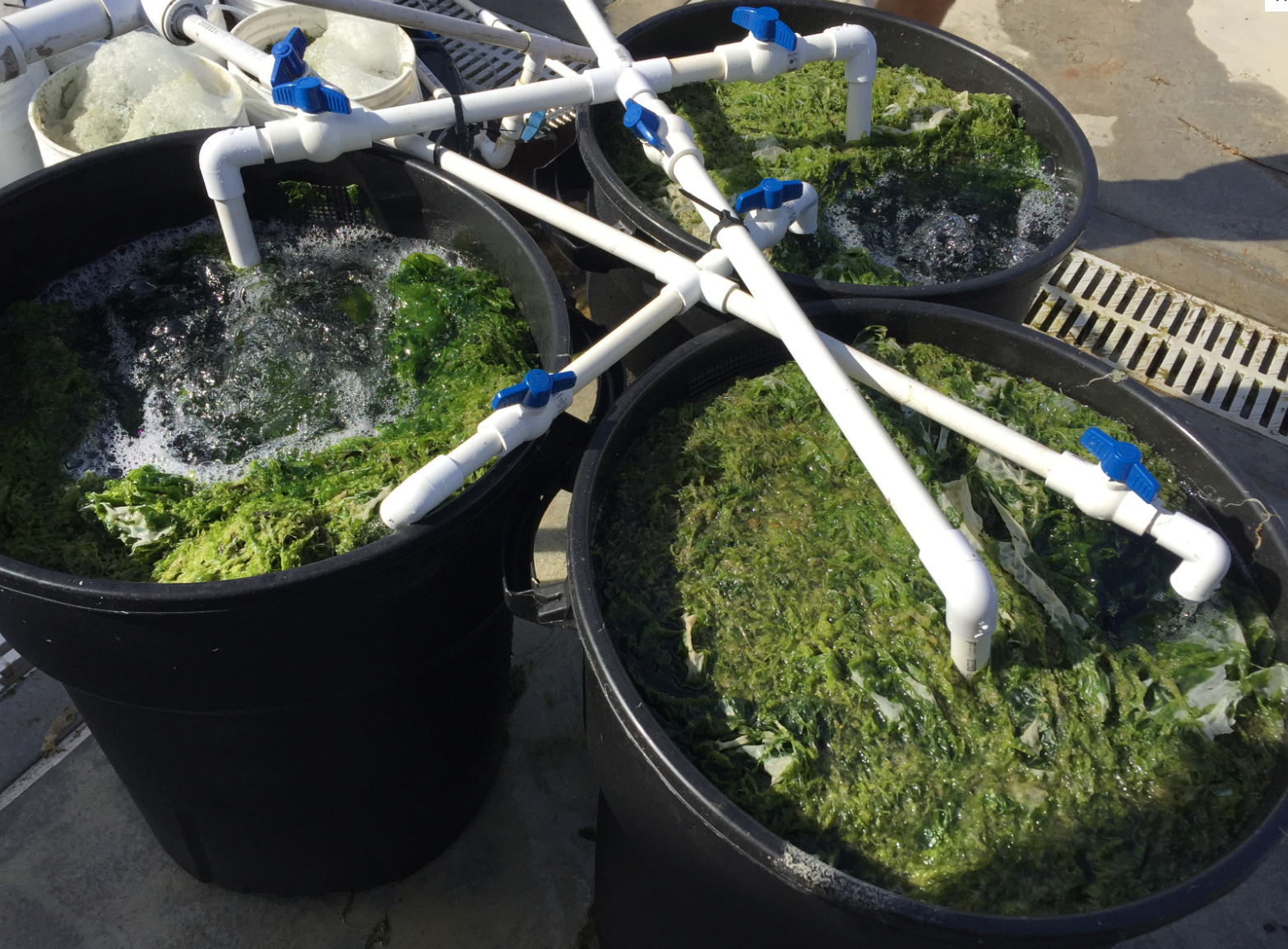
  • Chemical oceanographer Dr. Maxime Grand and co-PI research faculty member Dr. Luke Gardner will lead a new project focused on quantifying volatile bromocarbon emissions from seaweed aquaculture in California.
  • Invertebrate ecologist Dr. Amanda Kahn and co-PIs Dr. Kerstin Wasson and Dr. Luke Gardner will investigate the use of energetics and metabolism to enhance Olympia oyster aquaculture and outplanting success.
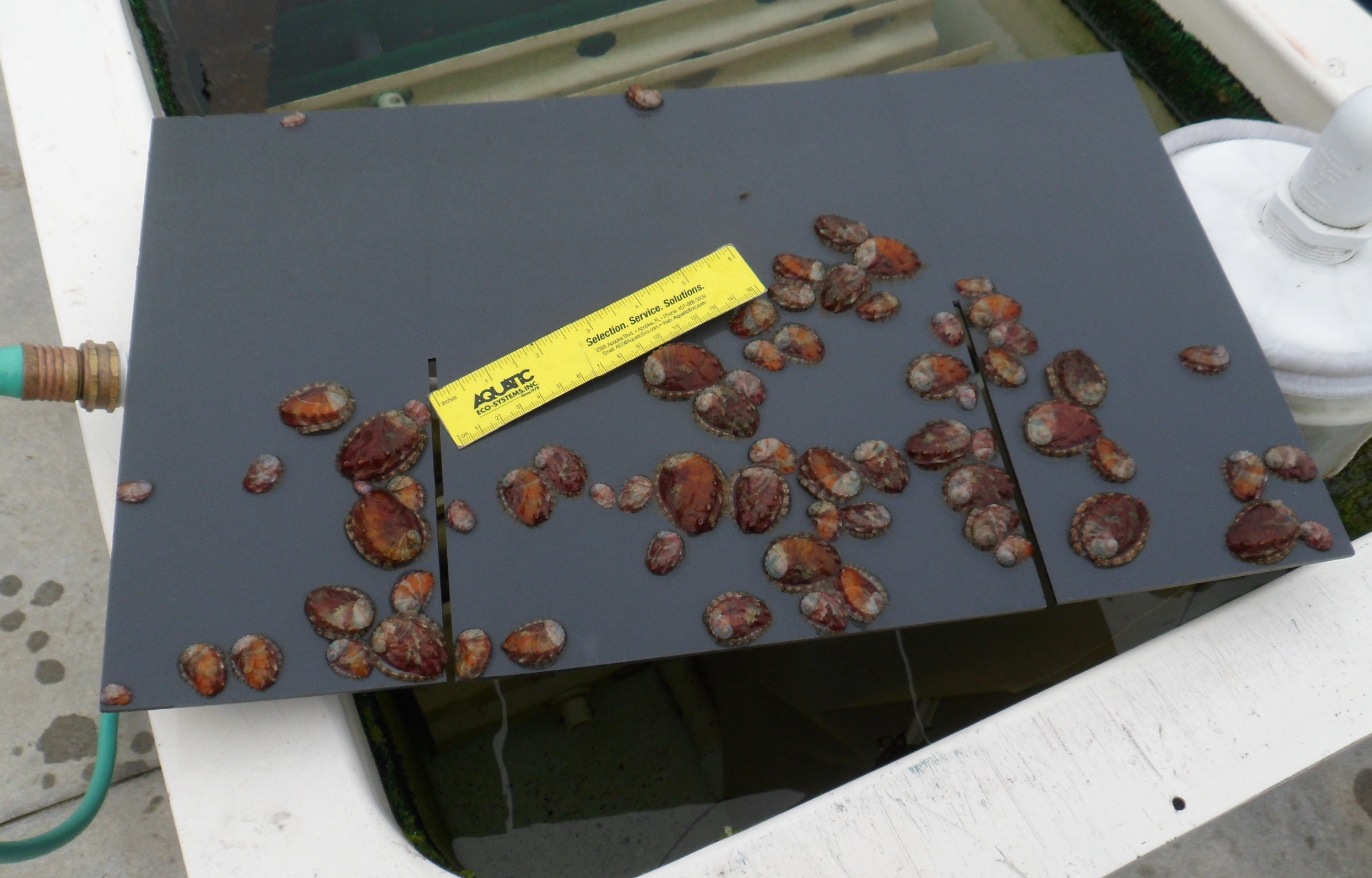
  • Ichthyologist Dr. Scott Hamilton and phycologist Dr. Michael Graham will serve as co-PIs on a new project led by SJSU professor Dr. Maya deVries investigating whether co-culture of seaweeds and shellfish improves shell integrity in farmed red abalone.

Congratulations to all our SJSU/MLML faculty members and their collaborators on these exciting new ventures! Learn more about all seven newly funded research projects here.

Endangered white abalone raised at SJSU/MLML Aquaculture Center flown to Los Angeles for release

Moss Landing Marine Labs researchers Peter Hain and Kayla Roy along with California Sea Grant Aquaculture Specialist Luke Gardner have spent the past two years raising endangered white abalone at the SJSU/MLML Aquaculture Center. These marine snails started out as tiny larvae but have grown to ~2 inches long and are now ready to be released into the wild to help save their species. 

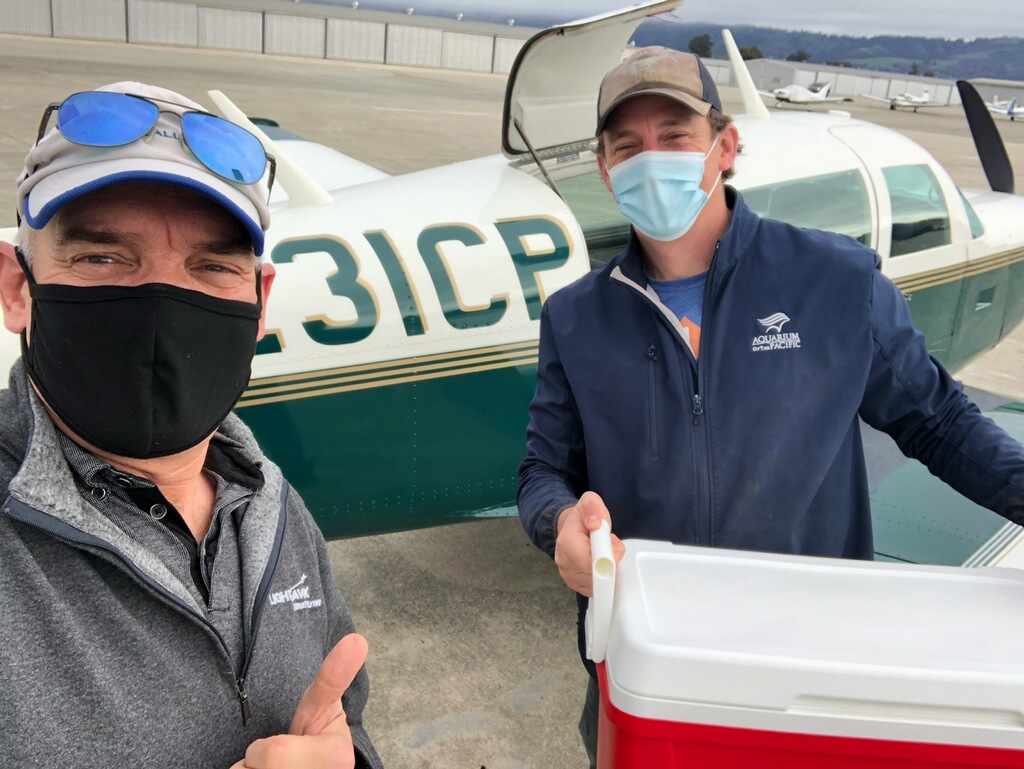
On February 19th, a total of 902 abalone were transferred from MLML to the Southern California Marine Institute. These endangered mollusks received VIP treatment and were flown by private plane from Monterey Bay to Los Angeles courtesy of LightHawk volunteer pilot David Houghton. The abalone will be cared for by staff from The Bay Foundation until they pass a health check and are ready to be released into the wild. There are currently only a few thousand wild white abalone, so this release will be a huge bump to the population.

This project is part of a large multi-institutional effort funded by NOAA Fisheries and coordinated by the White Abalone Captive Breeding Program based at Bodega Marine Laboratory of UC Davis. Thank you to all of our fantastic partners for making this important work possible!

Ocean Protection Council awards $1.3 million in funding to support Elkhorn Slough restoration

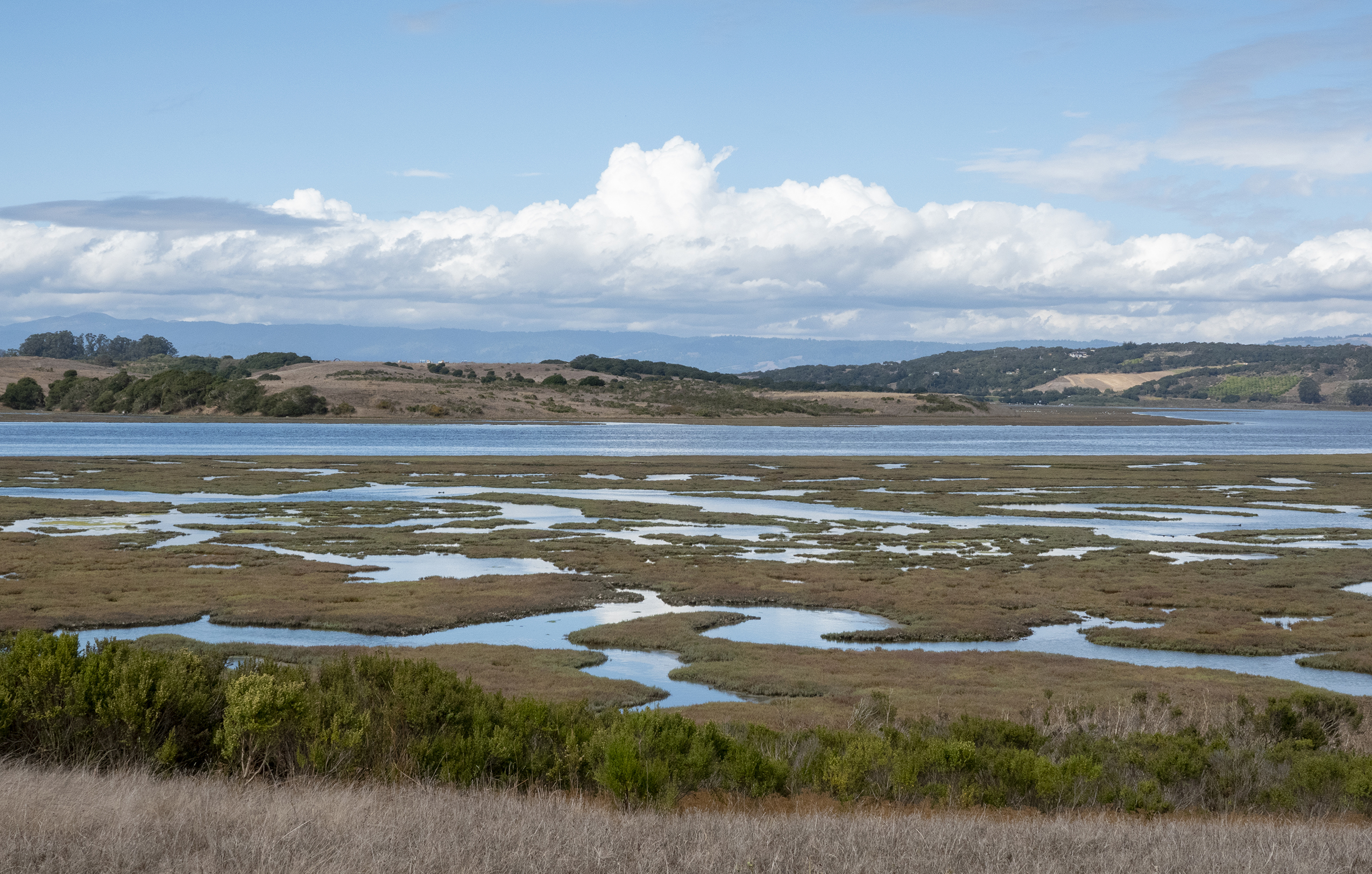
We are thrilled to announce that the California Ocean Protection Council has approved $1.3 million in new funding to support restoration of Elkhorn Slough! This restoration will take place on the Elkhorn Slough National Estuarine Research Reserve, owned and managed by the California Department of Fish and Wildlife in partnership with NOAA and with support from the Elkhorn Slough Foundation.

More than 90% of California’s wetlands have vanished over the past century. Today Elkhorn Slough features the most extensive salt marshes in California south of San Francisco Bay, yet without intervention the remaining marshes are projected to be lost within 50 years due to rising sea levels, subsidence, and tidal erosion. This new funding, generated by California’s Proposition 68, will be used to restore a diversity of species and habitats in the Elkhorn Slough National Estuarine Research Reserve including native oysters, eelgrass beds, coastal grasslands, and tidal salt marsh.

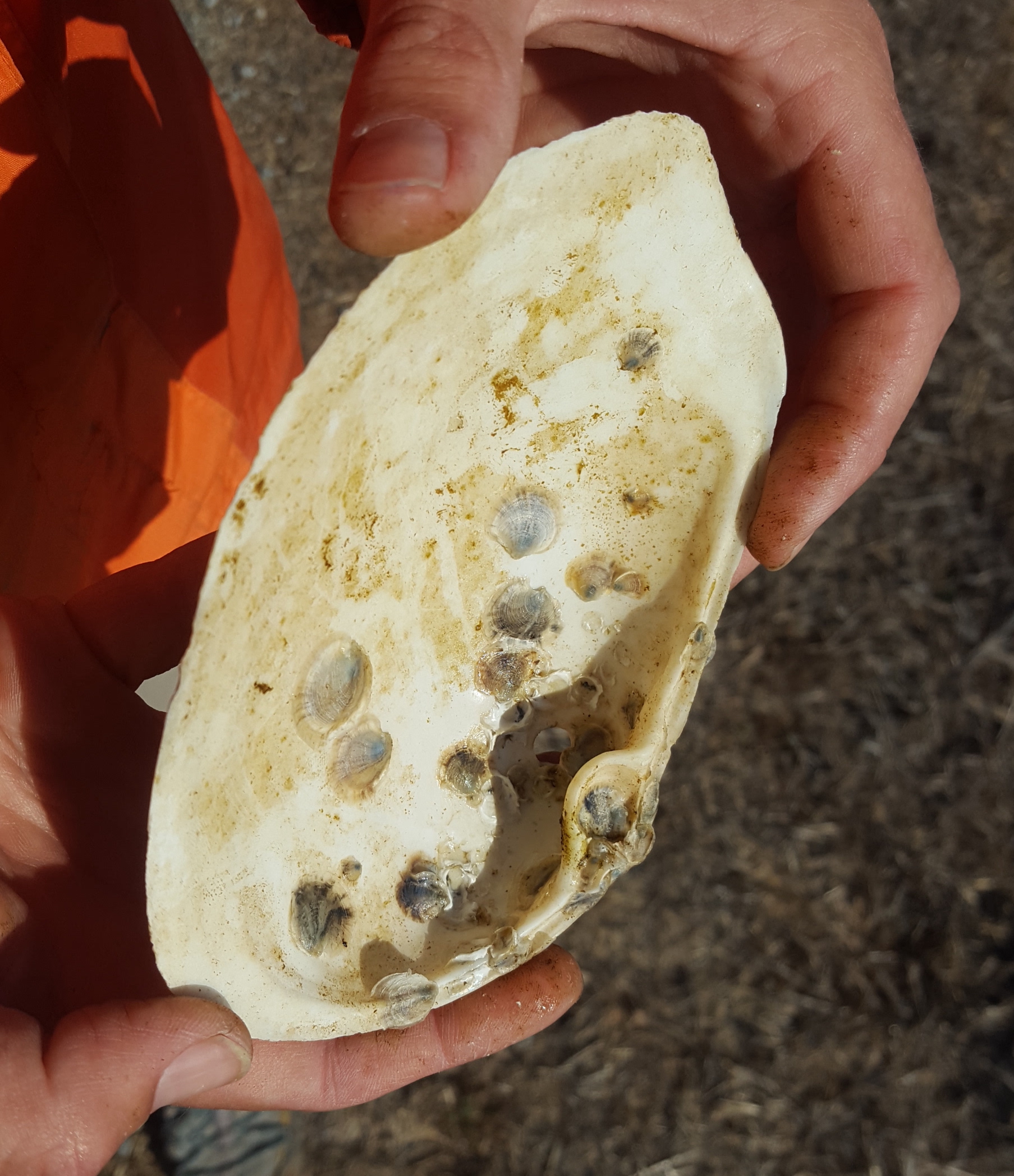
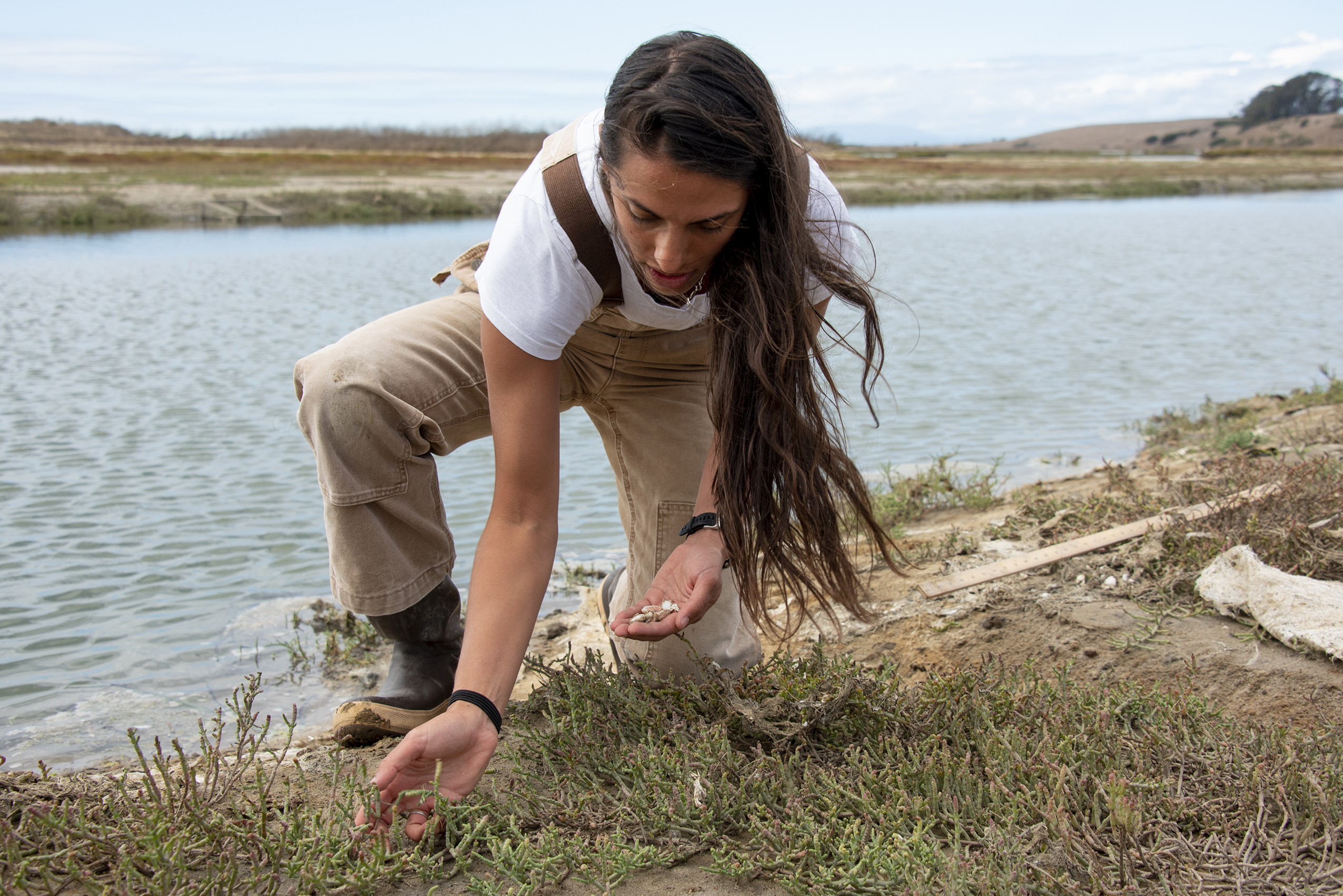
Oysters in Elkhorn Slough are at dire risk of local extinction, with no successful reproduction in the wild since 2012. To restore these vanishing filter feeders, scientists have pursued a novel approach, capitalizing on techniques used by commercial oyster farmers. They will bring adult oysters from the slough to the SJSU/MLML Aquaculture Facility, where they will be fed and warmed until they produce larvae. The larvae settle out on clam shells provided by the aquaculturists. When they are dime-sized, the baby oysters will be reintroduced to the restored tidal creeks. 

Lean more about Elkhorn Slough and this exciting new restoration project at www.elkhornslough.org.


SJSU/MLML alumna June Shrestha named 2021 California Sea Grant State Fellow

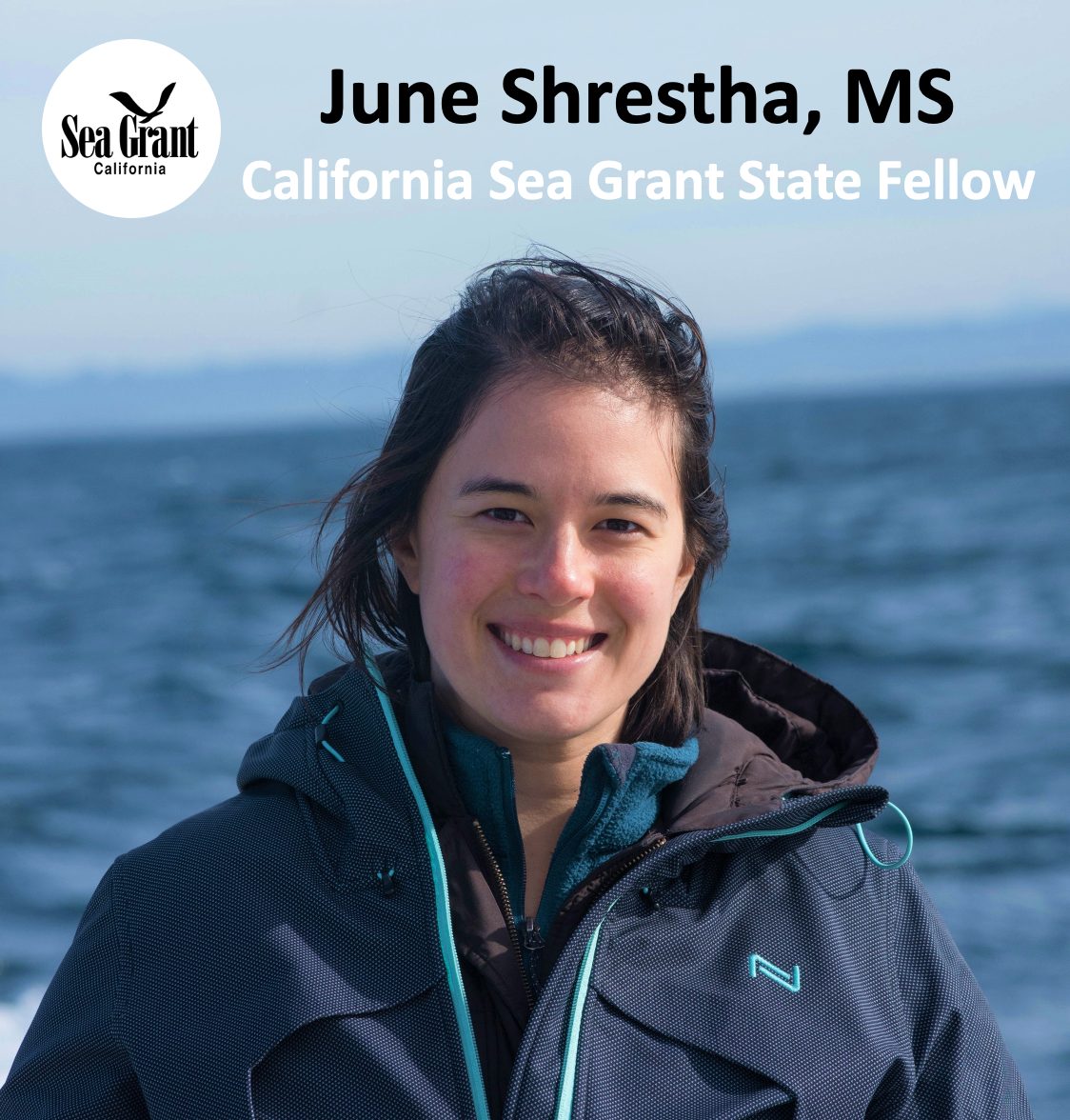
Congratulations to SJSU/MLML alumna June Shrestha on her selection as a 2021 California Sea Grant State Fellow! 

This competitive program matches recent grads with municipal, state, or federal host agencies in California for year-long fellowships that provide training at the interface of science, communication, policy, and management. June received her MS in Marine Science from Moss Landing Marine Labs in 2020 and will be working with NOAA Channel Islands National Marine Sanctuary for her fellowship. June will support efforts to revise the sanctuary management plan, facilitate engagement with stakeholders during sanctuary advisory council meetings, and contribute to education and outreach initiatives.

Read more in the California Sea Grant State Fellowship announcement.

MLML logo featured in video highlighting the history of famous Japanese design “The Great Wave”

You probably recognize the iconic Japanese design “The Great Wave” from its countless recreations on posters, advertisements, emojis 🌊, and even our signature Moss Landing Marine Labs wave logo. But what is the story behind this image and how did it become so famous?

German newspaper Zeit Online recently produced a fascinating short film about the history of The Great Wave that includes the original MLML wave logo designed by Chuck Versaggi at 7:10 (also pictured right). Watch the video with English subtitles here.

Still want to learn more? Check out this blogpost by Lloyd Kitazano from our 50th Anniversary Blog to learn more about the story behind the MLML wave.

California Sea Grant story highlights collaborative MPA research led by SJSU/MLML

Just beyond California’s kelp forests, patches of rock and sandy seafloor stretch from 100-300 ft deep in what scientists call the mid-depth rocky reef ecosystem. This zone comprises around 75% of the state’s ocean, but its depth makes it a hard area for researchers to access—and one of the most understudied of the near-shore ecosystems.

SJSU/MLML researchers Dr. Rick Starr and Dr. Amanda Kahn are leading a long-term monitoring project that combines state-of-the-art ROVs and video landers with historical data including old photos and research accounts to shed some light on this understudied zone. The project contributes to a larger effort to study the effects of marine protected areas in California. In a three-year study funded by the Ocean Protection Council, California Sea Grant and the California Department of Fish and Wildlife, scientists across the state are comparing changes in marine populations inside and outside of Marine Protected Areas (MPAs).

Read more about this exciting ongoing research in the California Sea Grant story.

Photos courtesy of Rick Starr.

Professor Gitte McDonald featured in National Geographic video about emperor penguins

Many campers have probably encountered a curious squirrel or hungry raccoon trying to break into their tent… but what about a pack of mischievous penguins? SJSU/MLML professor and Antarctic researcher Dr. Gitte McDonald is no stranger to the antics of these large seabirds.

Dr. McDonald and her colleagues were recently featured in a new video from National Geographic about the hilarious penguin invasion of their field camp in Antarctica. Check out the video here.

SJSU/MLML alumna Nancy Black establishes non-profit California Killer Whale Project

The California Killer Whale Project (CKWP) is a new non-profit dedicated to the study of killer whales (Orcinus orca) along the California coast. While the organization was officially established in December 2019, their research has been going on for decades and their database of killer whale sightings spans the past 66 years. The mission of CKWP is to continue the long-term study of the ecology, natural history, and conservation of California's killer whales. CKWP CEO and co-founder Nancy Black received her MS in Marine Science from Moss Landing Marine Laboratories in 1995 and has spent the last three decades studying the killer whales of Monterey Bay. 

Learn more about the California Killer Whale Project and how you can contribute to their important research at their website.

Moss Landing Marine Labs featured in the New York Times

SJSU/MLML research faculty member and ghost shark expert Dr. David Ebert is featured in a new article from the New York Times about the race to study these mysterious deep-sea fishes before they disappear forever.

Nearly half of the ghost shark species known to science were discovered only during the past two decades. “We’re just now starting to figure out that there are a lot more of these things around than we realized previously,” said Dr. Ebert, whose lab, the Pacific Shark Research Center, has been credited with the discovery of over 20% of the known ghost shark species.

Read the NYT story by Annie Roth here.

New study from SJSU/MLML and NOAA Fisheries scientists finds major decline in West Coast leatherback turtle population

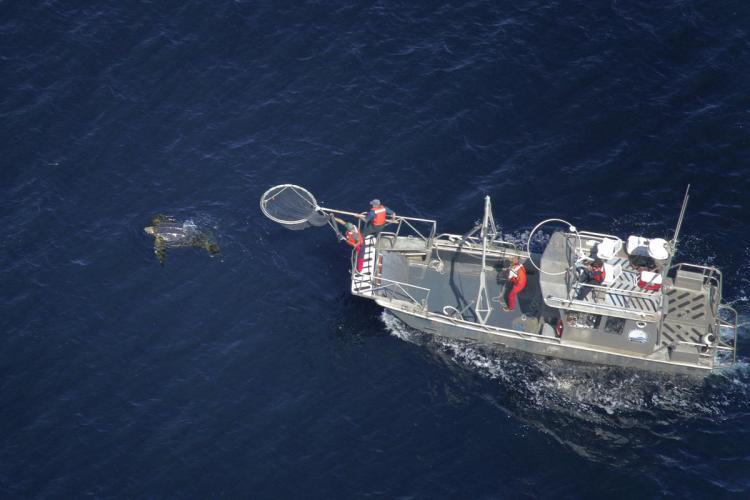
Enormous Pacific leatherback sea turtles are so ancient they lived with the dinosaurs. Now a new study from SJSU/MLML and NOAA Fisheries researchers shows that leatherbacks that forage off the U.S. West Coast are trending towards extinction in as little as a few decades. The study was led by NOAA Fisheries scientist and MLML research affiliate Scott Benson and co-authored by MLML researchers Dr. Karin Forney and Dr. Jim Harvey.

Biologists estimated an annual average of about 128 leatherback turtles foraging off Central California from 1990 to 2003. That number dropped to an average of about 55 per year from 2004 to 2017. “In short order these animals are going to be gone if things don’t turn around,” said SJSU/MLML director and study co-author Jim Harvey. “You can’t just protect them in one location. You have to protect them across half the globe.”

Learn more about this important research in the NOAA Fisheries news article. Read the original peer-reviewed article in the journal Global Ecology and Conservation here.

Photo credit: NOAA Fisheries/Southwest Fisheries Science Center