
News
CCWG featured in SF Chronicle
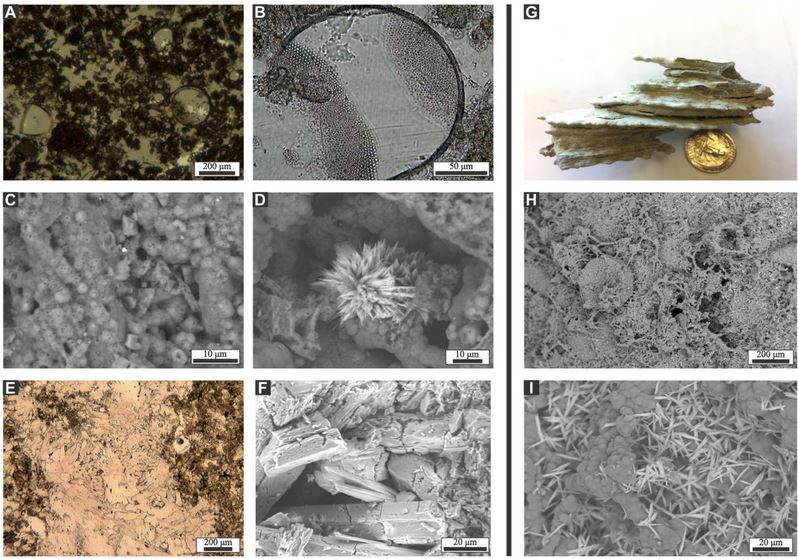
The Central Coast Wetlands Group recently published an article in the journal PLOS ONE The research team generated new maps of current and historical tidal wetlands for the coasts of Washington, Oregon, and California. Their techniques represent a major step forward in mapping accuracy. They were also able to develop a method to map tidal wetland losses for 55 estuaries on the West Coast. These new maps will help greatly with estuarine restoration efforts! Their research was also highlighted in a front page article of the SF Chronicle on Saturday
Our stranding network searches for answers in recent spike of deceased marine mammals
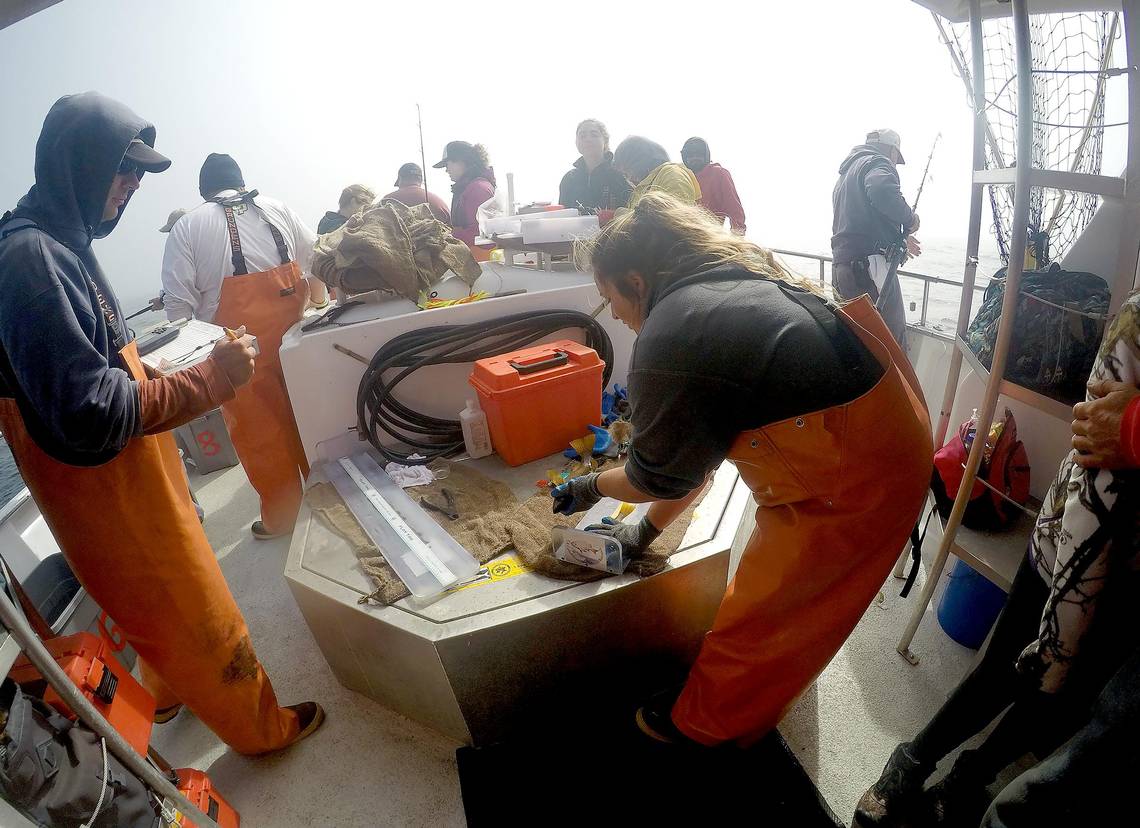
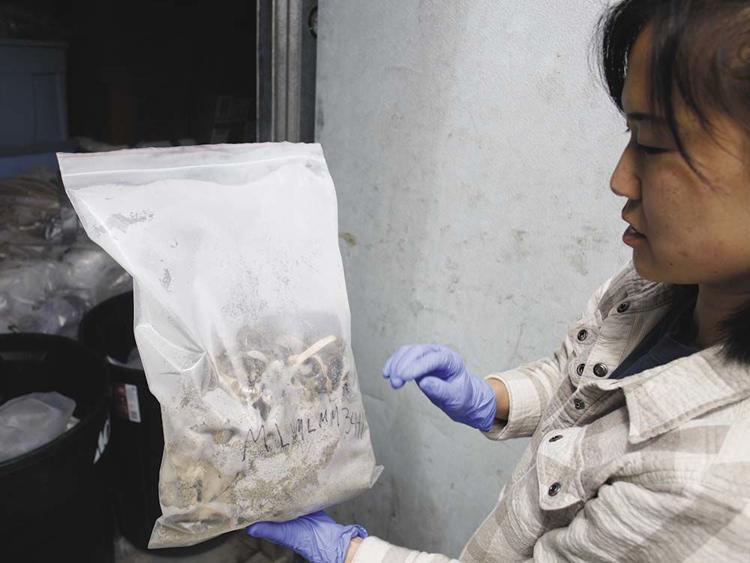
Lauren Cooley and Sharon Hsu are both students in the Vertebrate Ecology Lab. They are also volunteers with our Stranding Network, a network of people who collect data on deceased marine mammals. Students who volunteer with the stranding network have been very busy this year with a high rate of strandings in the area. Read more about what life is like as a stranding volunteer in this article by Monterey County Now.
To report a stranding of a deceased cetacean, pinniped, or sea turtle in Monterey County, contact the Moss Landing Marine Laboratories stranding network at 771-4422. For a live or injured animal, contact the Marine Mammal Center at 633-6298.
MLML and SJSU Seeking Biological Oceanographer
Join our team!
Moss Landing Marine Laboratories (MLML) and San José State University (SJSU) are seeking a field- and process-oriented biological oceanographer to complement an interdisciplinary group of marine scientists. The ideal candidate will conduct research at sea, possess expertise in molecular techniques, bioinformatics, or big data, and conduct research in one or more of the following areas: primary and export production, microbial ecology, food web dynamics, ecosystem processes, physiology, climate change, or harmful algal blooms. The successful applicant must have a strong commitment to quality instruction and pursue a vigorous research program involving MS students. A Ph.D. is required and prior post-doctoral experience is encouraged. Applicant materials should demonstrate an awareness of and sensitivity to the educational goals of a multicultural population as might have been gained through cross-cultural study, teaching, training, and other comparable experiences.
MLML Welcomes Dr. Geoff Wheat
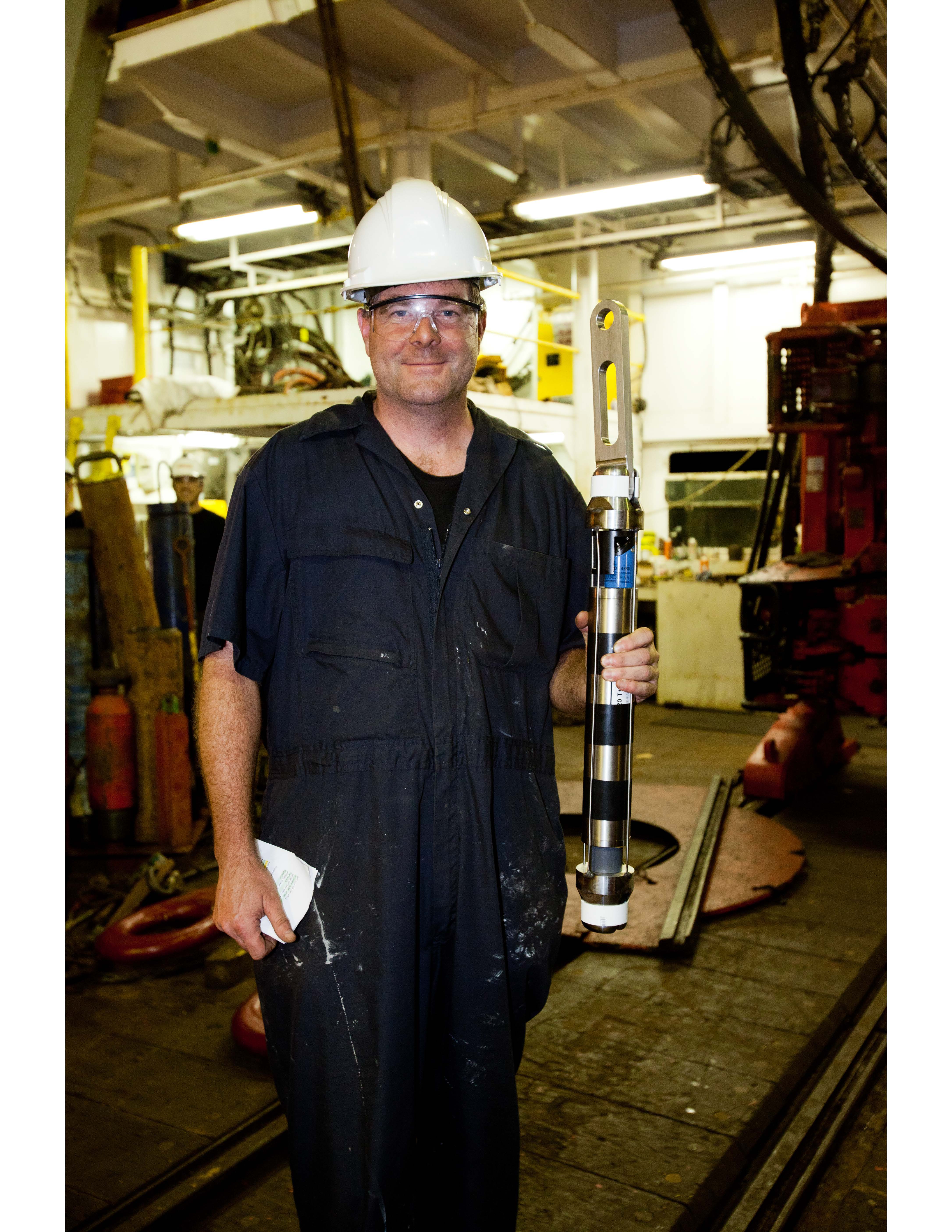
MLML welcomes Dr. Geoff Wheat from the University of Alaska! He brings with him Claudia Paul and Trevor Fournier. Geoff uses tracers to understand processes that influence the cycle of elements in the oceans. Much of his work focuses on the transport of fluids through the oceanic crust in a range of settings including hydrothermal systems on mid-ocean ridges and flanks and seepage sites along zones of subduction and in coastal environments. Studies typically include sampling and analyzing fluids and solids, developing transport-reaction models, and relating results to geochemical cycles and crustal evolution. He also runs Seafloor Science ROV Day Camp, a STEM-based summer camp for students entering 3-5th grades and 6-9th grades.
Geoff and his team will be working out of 502 in the Main Building and operating the ICPMS. You might also find Geoff in his office over in the faculty wing. Throughout the process of bringing him onboard, Geoff has expressed his eagerness and enthusiasm to meet and work with our students. Please join me in welcoming Geoff, Claudia and Trevor to MLML!
MLML Alum Mark Slattery Featured in SJSU Washington Square Magazine
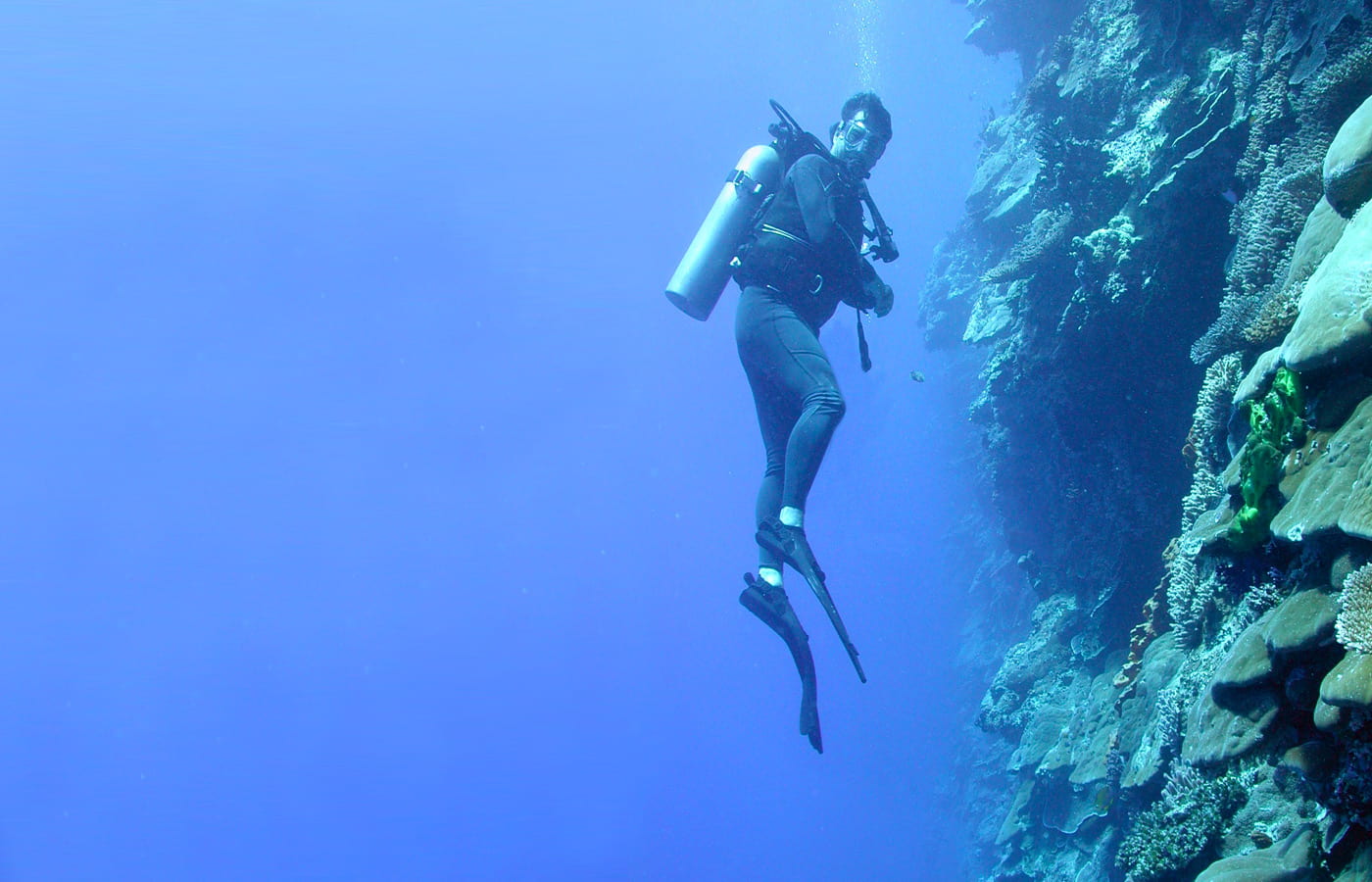
Mark Slattery graduated from the Invertebrate Zoology lab in 1987 and has gone on to do some amazing things. He is now a professor of pharmacognosy and environmental toxicology at the University of Mississippi and studies how the chemical makeup of marine life could be applied for drug discovery. The University of Mississippi even awarded him the 2018 Distinguished Research and Creative Achievement in recognition of his work. SJSU's Washington Square Magazine has featured Mark and his latest accomplishments in an article here.
How urchin ranching can help kelp
The gallery was not found!
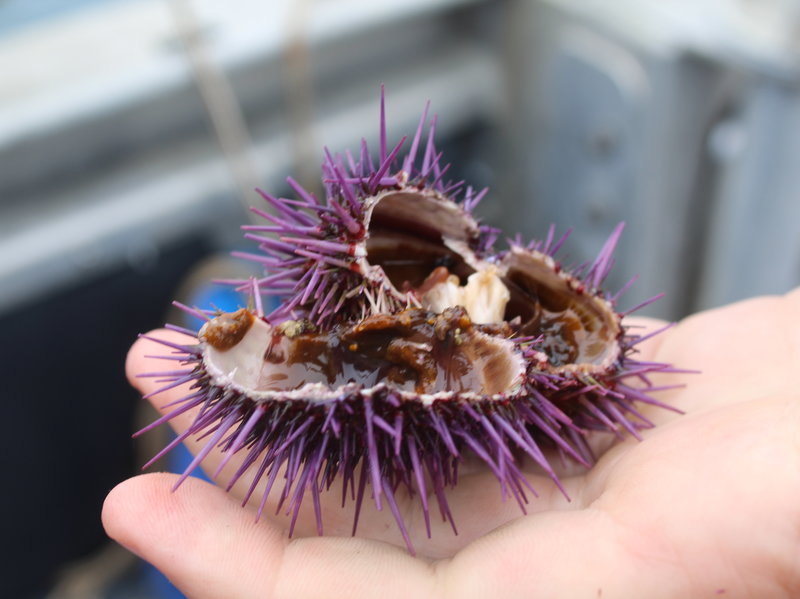
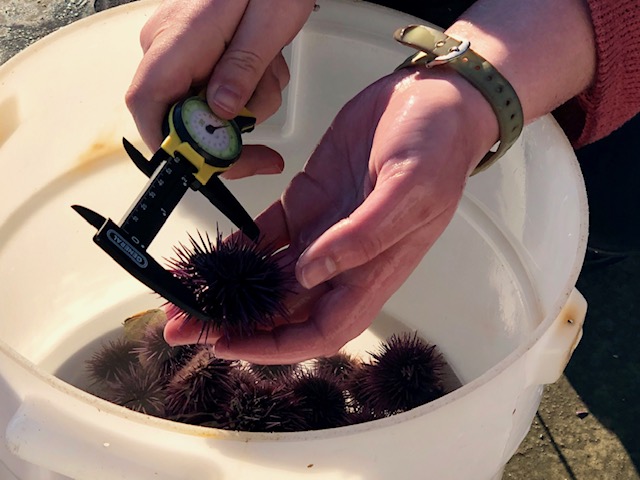
Students in the Spring Aquaculture class at Moss Landing Marine Labs worked together to test whether sea urchins removed from barrens could be used for food. The class was led by California Sea Grant Extension Specialist Luke Gardner and the diet-experiment lasted 10 weeks. The class built the culture system from the ground up and got an unforgettable hands-on learning experience.
"This class experiment gave a group of novice aquaculturists a chance to raise marine organisms and demonstrate how aquaculture can benefit nearshore ecosystems," wrote Helaina Lindsey in her blog post on California Sea Grant's website regarding the experiment.
To learn more, you can read Helaina's full article here.
Dr. Luke Gardner gives insight on how seaweed aquaculture can change our oceans
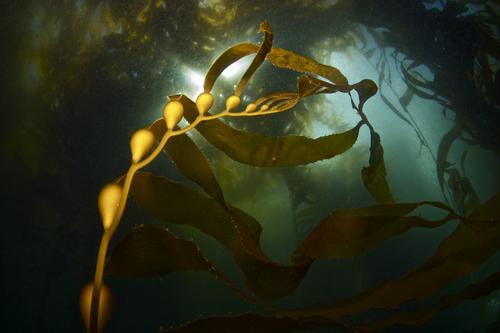
"Native seaweed has the potential to be cultivated in California coastal waters and used to alleviate the effects of local ocean acidification, according to a new study funded by California Sea Grant. Besides providing a local and sustainable source of food, researchers and aquaculture producers are exploring how seaweed production may benefit its surrounding environment."
A recent article posted on California Sea Grant's blog details exciting research linking local seaweed aquaculture with the reduction of ocean acidification and pollution. MLML's resident aquaculture specialist, Luke Gardner, was quoted in the article describing how this new area of research is important for ecosystem health.
“A growing body of scientific research indicates seaweed aquaculture can provide ecosystem services that contribute to the reduction of local ocean acidification and assist with pollution remediation,” said California Sea Grant Aquaculture Specialist and Scripps Institution of Oceanography/Moss Landing Marine Laboratories researcher Luke Gardner."
To learn more about this research, read the full article here.
Monterey Bay Salmon And Trout Recovery Project at MLML
Moss Landing Marine Labs proudly hosted the Monterey Bay Salmon And Trout Recovery Project’s Salmon and Trout Education Program last weekend. STEP curriculum teaches K-12 students about trout, salmon and the importance of watershed conservation. Teachers in the area are trained in science curriculum modules which drive home the critical importance of healthy aquatic ecosystems, and help connect local students to natural resources right in their backyard.
Read more about the program here
Kamille Hammerstrom and Dr. Stacy Kim co-author new study
Our Benthic Ecology lab's research associate, Kamille Hammerstrom, and former research faculty member, Dr. Stacy Kim, are co-authors on a new study that finds it's not just the ice that's shifting in Antarctica; the benthic communities have been changing too. Click here to read the study.