
Shannon Johnson, MBARI
Moss Landing Marine Labs Seminar Series - October 18th, 2018
Hosted by the Invertebrate Zoology & Molecular Ecology Lab
MLML Seminar Room, 4pm
(or Watch it Live here!)
Open to the public
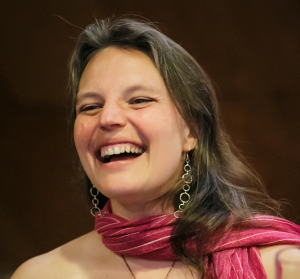
Bolinopsis (Ctenophora: Lobata) are common, relatively large, and abundant comb jellies found throughout the world ocean. Bolinopsis infundibulum is thought to occur in most northern latitudes, and B. vitrea in tropical latitudes. Sequence data from conservative loci such as 18S rRNA revealed little to no differentiation within the genus and is unresolved for lobate ctenophores in general. In contrast, sequence data from the mitochondrial locus Cytochrome-C-Oxidase subunit I, (COI) revealed species-level differentiation amongst ocean basins for both taxa. Sequence data from the 28S rRNA, Internal transcribed spacer (ITS) rRNA, and Histone-3 (H3) nuclear loci, also confirmed patterns of species-level differentiation. Sequences also revealed a new lineage of Bolinopsis from the Pacific Ocean. Bolinopsis n.sp. included two closely related, yet distinct mitotypes that were sympatric in the Monterey Bay, California (USA). The sympatric lineages were often collected together and did not segregate by depth or geography. Nuclear genomic RAD sequencing on a small subset of individuals revealed potential cytonuclear disequilibrium and hybridization between the two mitotypes, lending evidence to the presence of a cryptic species complex. Further genomic sequencing and Sanger sequencing, coupled with morphological investigations are underway to determine if genetic differentiation is reflected phenotypically.
Shannon is an MLML Alum! Check out her alumni interview on The Drop-In Blog!
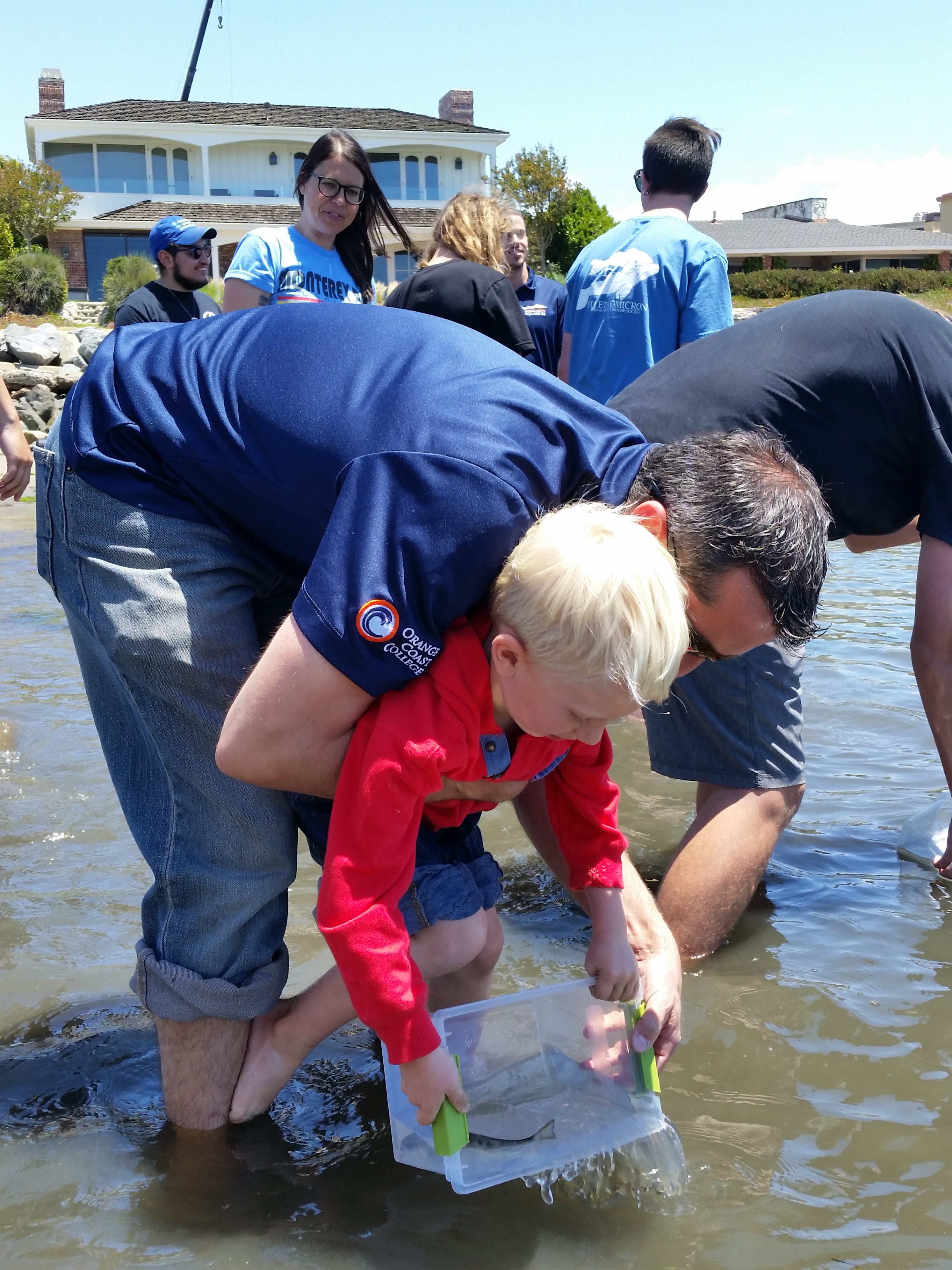
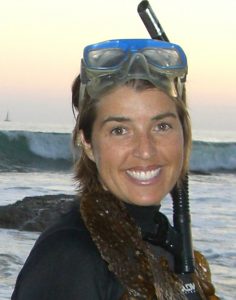 Nancy is a Virginia native with a B.S in Marine Biology with an emphasis in aquaculture and chemistry. Early in her career, Nancy worked in the aquaculture industry and for a local public aquarium. Wanting to do more conservation work within her community, Nancy left the aquarium to build a program to restore Orange County, California’s decimated kelp forests. With help from magazine and newspaper articles, as well a television and radio, Nancy has helped to bring the message of the importance of kelp forests along our coast to millions. The Orange County Ocean Restoration Project has taught 5000 students how to grow giant kelp in their classrooms that was planted in the ocean by 250 trained volunteers and now there are giant kelp forests in areas that had been barren for more than 25 years. To continue her work, Nancy started a nonprofit organization called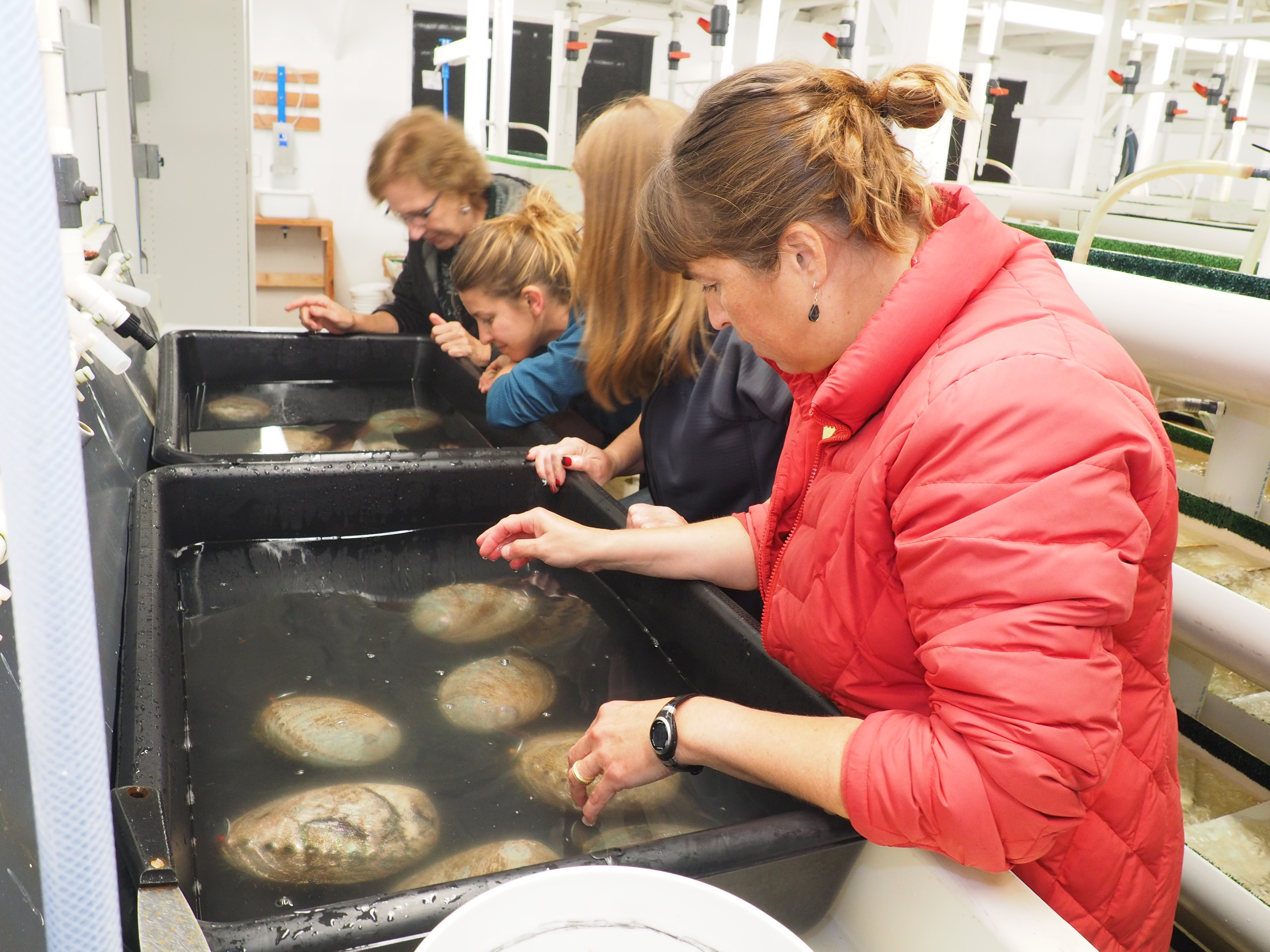
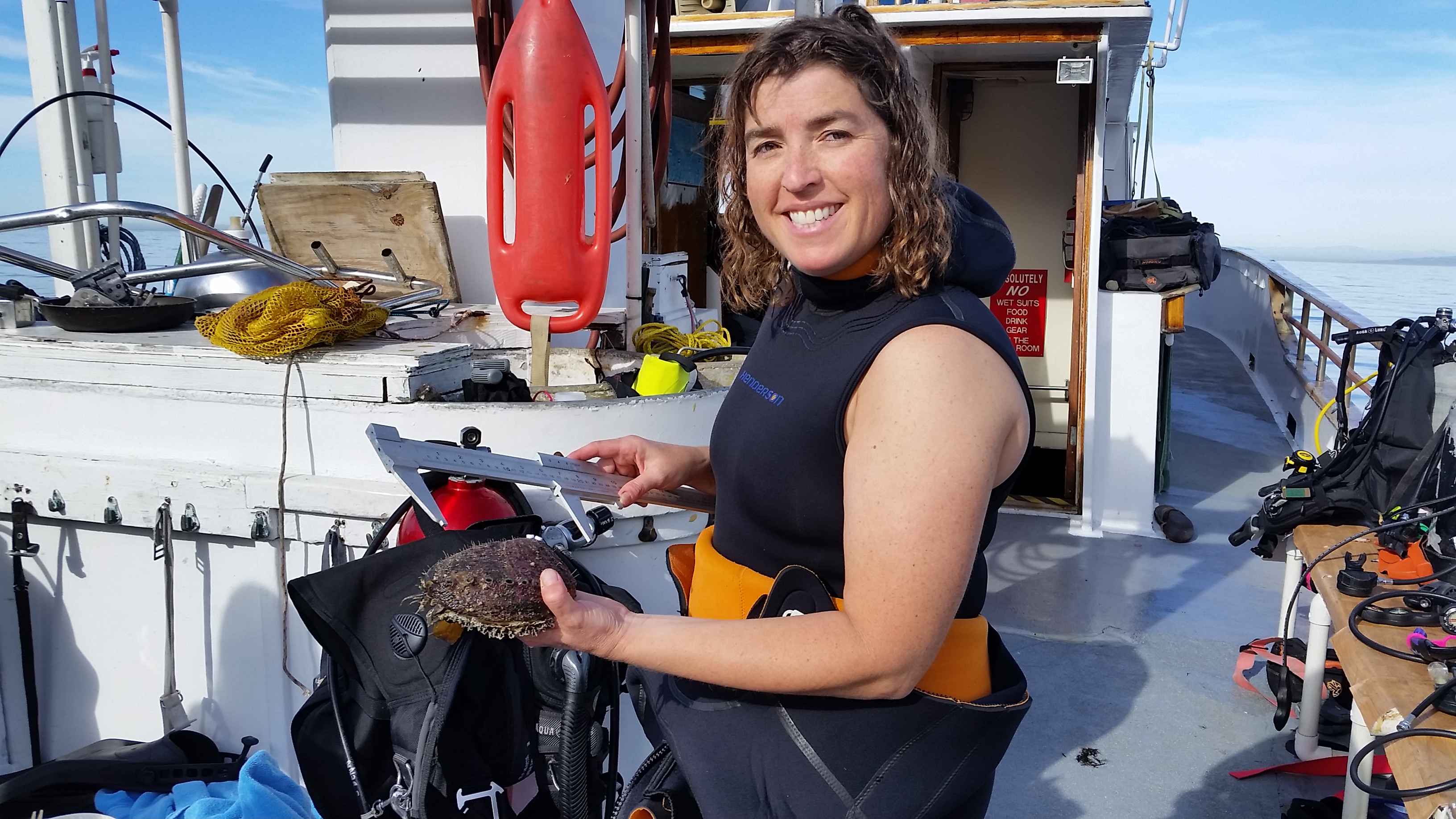
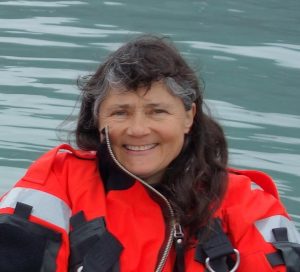 Dr. Blackwell has been working with large marine vertebrates for nearly 30 years - northern and southern elephant seals, Baltic grey seals, albacore tuna, Atlantic and Pacific bluefin tuna, bowhead whales, and narwhals, to name a few. In the early stages of her career she was involved in the design and manufacture of several types of seal data loggers, recording parameters such as depth, temperature, heart rate, swim speed, activity levels, and bioluminescence. She joined Greeneridge in May 2000 and has since collected and analyzed acoustic data on man-made sounds, such as those produced by impact and vibratory pile-driving, airgun pulses, and numerous construction activities, to assess their range and impact on marine vertebrates, mostly marine mammals. More recently she has combined these two interests—in collecting data using tags and in assessing the effects of man-made sounds on marine animals—to examine how East Greenland narwhals react to sounds from airgun pulses, which are used the world over in seismic exploration for oil and gas. She is the lead author of 12 refereed journal articles and a co-author in 31 others. She is a member of the Acoustical Society of America (and a Fellow since 2008), the Society for Marine Mammalogy, and Sigma Xi (National Society for Scientific Research).