Virtual Seminar – Biomimetic AUVs Based on Charismatic Marine Fauna – May 12


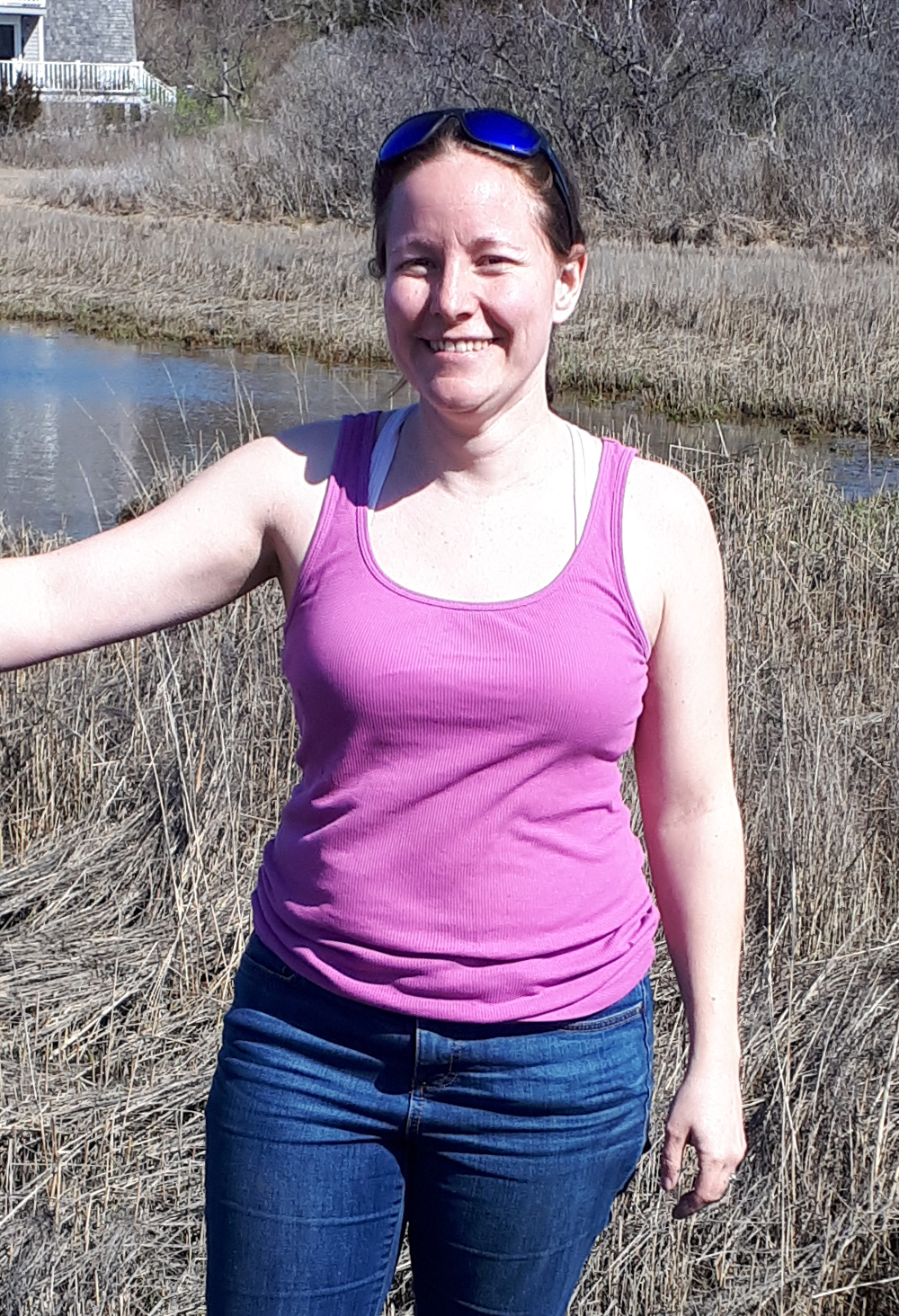
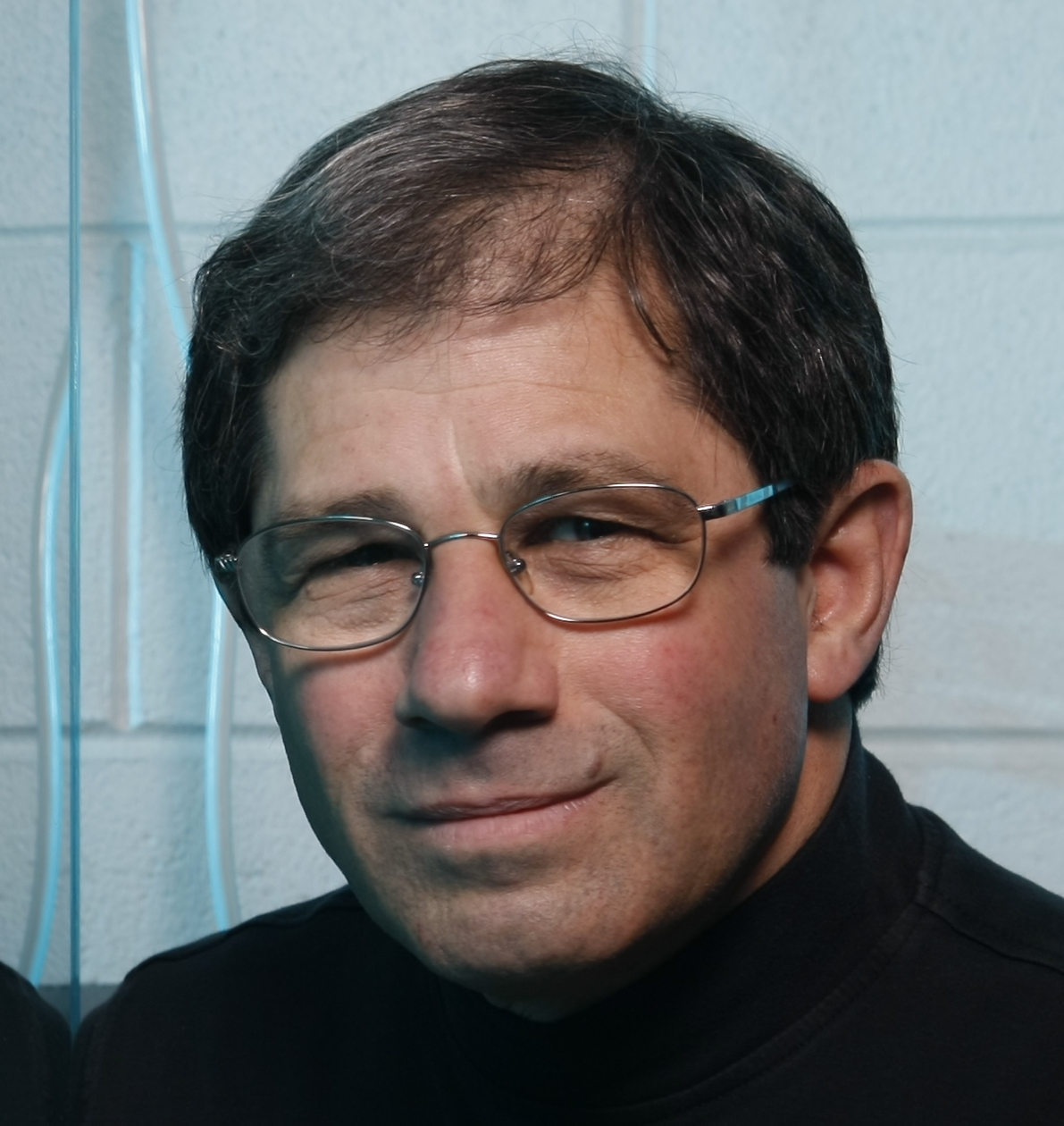
Frank Fish, West Chester University

Hosted by the MLML Visiting Scientist, Karen Crow

Presenting: "Biomimetic AUVs Based on Charismatic Marine Fauna"

MLML Virtual Seminar | May 12th, 2022 at 4pm

Watch the Live Stream here or here

About the speaker:

Dr. Frank Fish is a Professor of Biology at West Chester University of Pennsylvania, where he has been on the faculty since 1980 and is the director of the Liquid Life Laboratory. He received a B.A. in Biology from SUNY Oswego in 1975. He completed a M.Sc. in 1977 and a Ph.D. in 1980 from the Zoology Department of Michigan State University.

Dr. Fish has published over 180 research articles, government reports, patents, and book chapters. He is currently an associate editor for the journal Marine Mammal Science and he served on the editorial board of the journal Bioinspiration and Biomimetics.

Dr. Fish's research focuses on the energetics and hydrodynamics of aquatic locomotion by vertebrate animals, including marine mammals. His research has been funded by the Defense Advanced Research Projects Agency (DARPA), National Science Foundation (NSF), and the Office of Naval Research (ONR). Recent projects have included examinations of the evolution of swimming modes in aquatic mammals, energetics and maneuverability of aquatic animals, hydrodynamic design of biological control surfaces, biomimetic designs for propulsion, and swimming performance by marine animals for the development of bio-robots.

Dr. Fish has appeared on a number of television shows including the PBS series Evolution and the BBC production Walking with Prehistoric Beasts. His work has been highlighted in magazines, including Science, Science NewsNational Geographic, and Scientific American. He received the Society for Marine Mammalogy Award for Excellence in Science Communication and he was a finalist for the 2018 European Inventor Award.
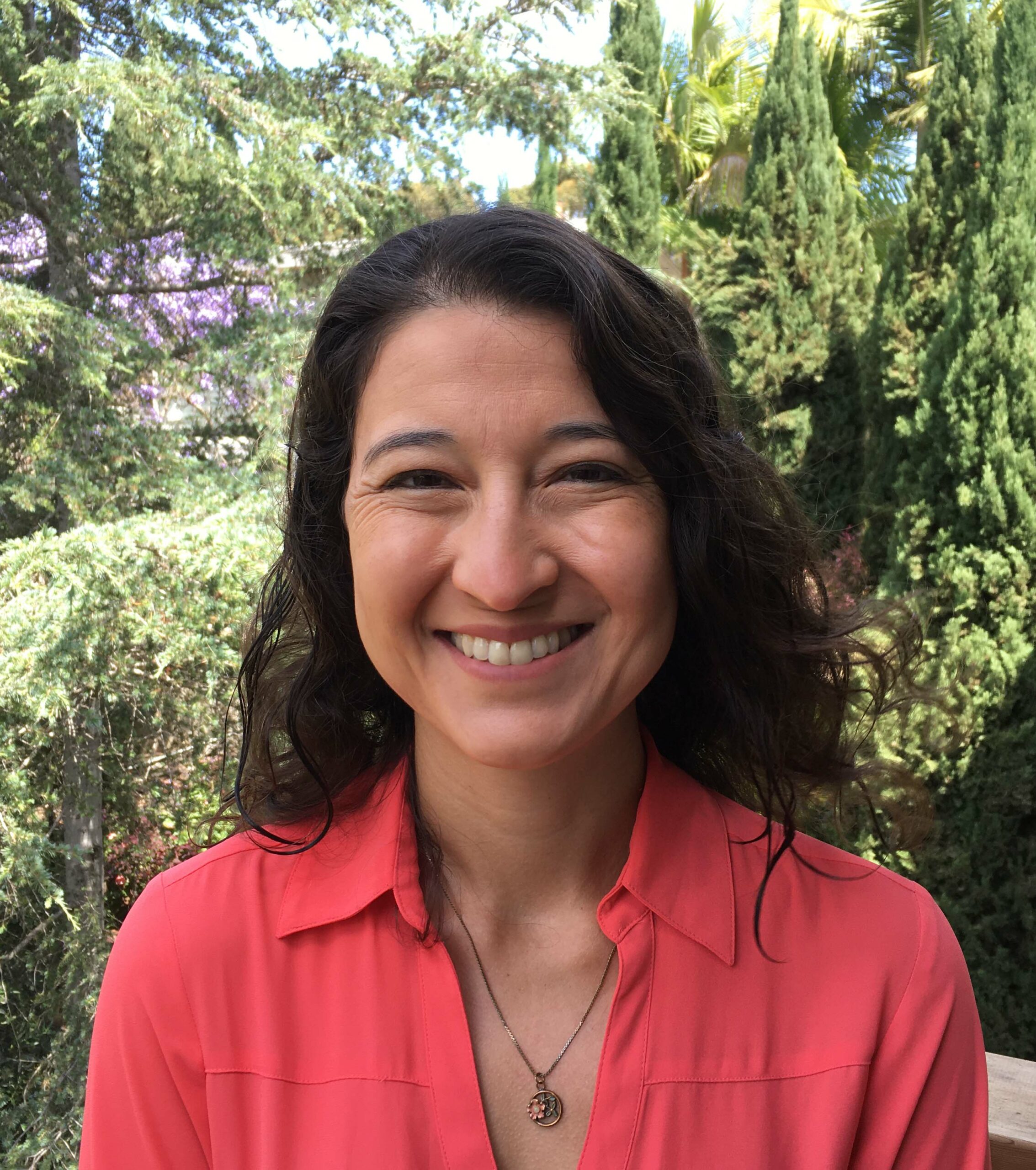
Virtual Seminar – Interdisciplinary approaches to investigate plankton population dynamics – April 29


Darcy Taniguchi, CSU San Marcos

Hosted by the Phycology Lab

Presenting: "Interdisciplinary approaches to investigate plankton population dynamics"

MLML Virtual Seminar | April 29th, 2021 at 4pm

Watch the Live Stream here or here


About the speaker:

Darcy Taniguchi is an Assistant Professor at CSU San Marcos. Her research explores the characterization and response of marine communities and organisms to varying environmental conditions and interactions. Most of her work focuses on understanding planktonic communities. She received her BA in Mathematics and BS in Biology from UC San Diego and received her MS and PhD in Biological Oceanography from UC San Diego. 


Virtual Seminar – A multidisciplinary approach for assessing the vulnerability of species to environmental change – April 22


Seth Newsome, University of New Mexico

Hosted by the Vertebrate Ecology Lab

Presenting: "A multidisciplinary approach for assessing the vulnerability of species to environment change"

MLML Virtual Seminar | April 22th, 2021 at 4pm

Watch the Live Stream here or here


About the speaker:

Seth Newsome is the Associate Director of the University of New Mexico (UNM) Center for Stable Isotopes and an Associate Professor in the UNM Biology Department. He received his B.A. from Dartmouth College in 1999, a Ph.D. from the University of California Santa Cruz in 2005 (primary advisor: Paul Koch), and held two postdoctoral positions before arriving at UNM: the first with Marilyn Fogel at the Carnegie Institution for Science and the second with Carlos Martinez del Rio and Dave Williams at the University of Wyoming. Besides science and fixing mass spectrometers, he enjoys mountain biking, rafting, and fly fishing.


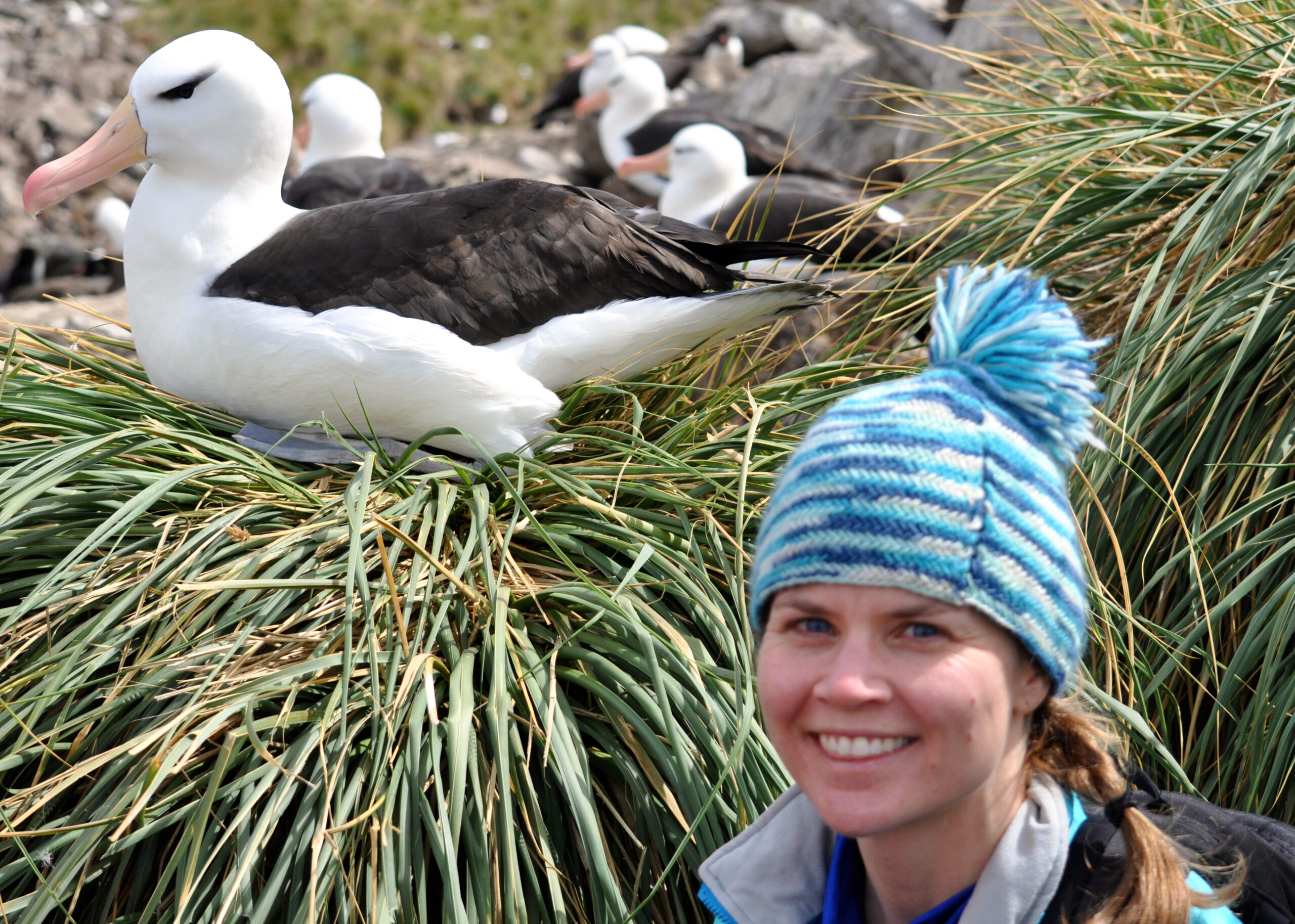
CANCELLED – Flying for free? Understanding the role of wind variability in albatross foraging energetics – April 15


Lesley Thorne, Stony Brook University

Hosted by the Vertebrate Ecology Lab

Presenting: "Flying for free? Understanding the role of wind variability in albatross foraging energetics"

MLML Virtual Seminar | April 15th, 2021 at 4pm

Watch the Live Stream here or here


Dr. Lesley Thorne is an Assistant Professor in the School of Marine and Atmospheric Sciences at Stony Brook University. Born and raised in Kingston, Ontario in Canada, Lesley received a BSc (Honours) at the University of Guelph and a PhD from Duke University in North Carolina. She has worked in a wide range of marine systems, including the Bay of Fundy, the South Atlantic Bight, the Sargasso Sea, the western Antarctic Peninsula, and the Main and Northwestern Hawaiian Islands. Lesley is broadly interested in ecological questions in coastal and pelagic systems, and much of her research focuses on understanding links between environmental variability, foraging behavior and population processes, and on elucidating biophysical interactions driving the habitat use and foraging ecology of different marine predators.


Virtual Seminar – The chemical ecology of sponges on Caribbean reefs: From metabolites to ecosystems – March 25


Joseph Pawlik, University of North Carolina Wilmington

Hosted by the Invertebrate Ecology Lab

Presenting: "The chemical ecology of sponges on Caribbean reefs: From metabolites to ecosystems"

MLML Virtual Seminar | March 25th, 2021 at 4pm

Watch the Live Stream here or here


Dr. Joe Pawlik is a Distinguished Professor of Marine Biology in the Department of Biology and Marine Biology at UNCW. He received his BS in 1982 from the University of Minnesota, Twin Cities, and his PhD in Marine Biology in 1988 from Scripps Institution of Oceanography, UCSD.  He joined the Department of Biology and Marine Biology at UNCW in 1991, where he teaches undergraduate courses in Invertebrate Zoology and Biodiversity, teaches Introduction to Science as a Profession to graduate students, and directs a research program involving undergrad, MS and PhD students. Joe worked at the US National Science Foundation (NSF) as a Program Officer in the Biological Oceanography Program for 2 years beginning 2003. He and his students and collaborators have authored over 160 publications, primarily on the ecology of sponges on Caribbean coral reefs. Check out a list of his publications here.


Virtual Seminar – Drivers of change in estuarine-coastal ecosystems – March 18


James Cloern, US Geological Survey Menlo Park, CA

Hosted by the Physical and Biological Oceanography Labs

Presenting: "Drivers of change in estuarine-coastal ecosystems"

MLML Virtual Seminar | March 18th, 2021 at 4pm

Watch the Live Stream here or here


James (Jim) Cloern is a senior scientist emeritus at the U.S. Geological Survey in Menlo Park, California. His research over four decades addresses comparative ecology and biogeochemistry of estuaries to understand how they respond as ecosystems to climatic-hydrologic variability and human disturbance. His team investigation of San Francisco Bay included studies of primary production, nutrient cycling, algal and zooplankton community dynamics, ecosystem metabolism and food web dynamics, disturbance by introduced species, ecosystem restoration, and past and projected future responses to a changing climate. His career achievements have been recognized with selection as Fellows of the American Geophysical Union (AGU) and Association for the Sciences of Limnology and Oceanography (ASLO), and as recipient of the Woods Hole Oceanographic Institution B.H. Ketchum Award, Delta Science Program Brown-Nichols Achievement Award, ASLO Ruth Patrick Award, Coastal and Estuarine Research Federation Odum Lifetime Achievement Award, and Department of Interior's Distinguished Service Award. He is currently an Adjunct Senior Fellow at the Public Policy Institute of California, a member of the Delta Stewardship Council's Independent Science Board, and editor-in-chief of Limnology and Oceanography Letters.


Virtual Seminars – Plugged in: Novel seafloor sensor development on the OOI Cabled Array – March 11


Michael Vardaro, University of Washington & SJSU

Hosted by the Geological Oceanography Lab

Presenting: "Plugged in: Novel seafloor sensor development on the OOI Cabled Array"

MLML Virtual Seminar | March 11th, 2021 at 4pm

Watch the Live Stream here or here


Mike Vardaro has worked with the Ocean Observatories Initiative (OOI) since 2011; four years as a Project Scientist at Oregon State University focusing on designing, testing, and deploying the Endurance Array off the coast of Oregon and Washington, three years as the Data Manager at Rutgers, working with the Cyberinfrastructure (CI) team on monitoring and evaluating data to create quality-controlled data streams for the OOI user community, and currently as a Research Scientist at the University of Washington, working on the Regional Cabled Array. He is also a lecturer at San Jose State University. Prior to working with the OOI, he designed and deployed photographic and oceanographic instrumentation in the Gulf of Mexico, Northeastern Pacific, and Southeastern Atlantic oceans to study the links between surface productivity, carbon flux, and deep benthic invertebrate populations, and how such systems change over time. He has a BS in Biology from Georgetown University, an MS in Biological Oceanography from Texas A&M, and a Ph.D. in Marine Biology from Scripps Institution of Oceanography.

Virtual Seminar – Science without borders: tracking the tropicalization of kelp forests in the Californias – March 4


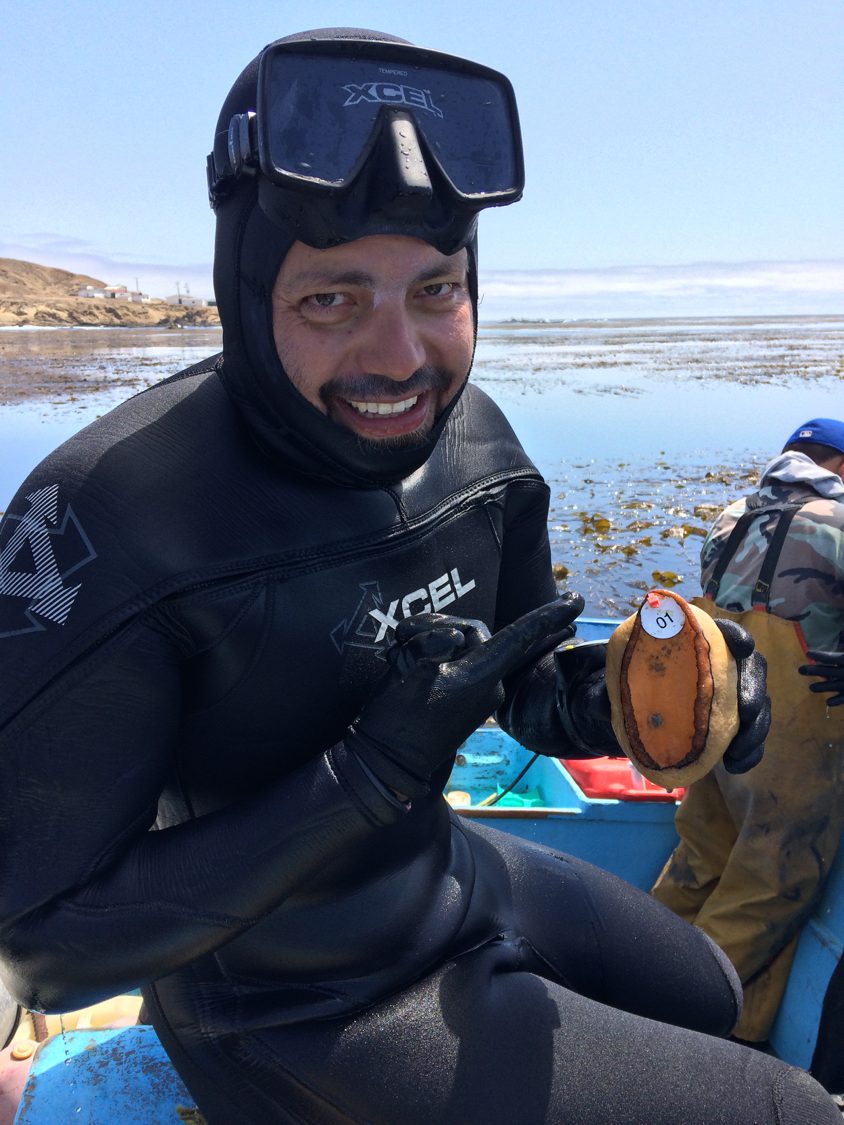
Rodrigo Beas, Universidad Autónoma de Baja California

Hosted by the Phycology Lab

Presenting: "Science without borders: tracking the tropicalization of kelp forests in the Californias"

MLML Virtual Seminar | March 4th, 2021 at 4pm

Watch the Live Stream here or here


Predicting changes in structure & function of ecosystems requires large-scale, long-term studies. We integrate kelp forest data from 469 sites/373 species spanning Alaska, USA, to Baja California, Mexico. Results revealed changes in community structure were most evident within the southern and north-central ecoregions, and forecast a poleward shift in the abundance of habitat-forming groups. All this was only possible with a sweeping display of international coordination and cooperation of a team of scientists and countless volunteers from 14 different organizations joining forces to document the northward migration of kelp forests due to warming waters. This is an excellent example of collaboration between researchers, communities, and civil society organizations in the USA and Mexico to understand how climate change will impact the kelp forest and therefore fisheries and coastal communities in the next 30 years.


About the speaker:

Rodrigo Beas-Luna is an Associate Professor at Facultad de Ciencias Marina, UABC. He is a marine ecologist-oceanographer, who combines field observation, lab work and quantitative tools to better understand the functioning of energy transfer among trophic levels and ecosystem responses to different environmental conditions. 


Dr. Rodrigo Beas Presents: “Science without borders: tracking the tropicalization of kelp forests in the Calirfornias”

Virtual Seminar – Spatial dynamics of coastal ecosystems and their resilience to disturbance, fishing and climate change – February 25th


Andrew Rassweiler, Florida State University

Hosted by the Ichthyology Lab

Presenting: "Spatial dynamics of coastal ecosystems and their resilience to disturbance, fishing and climate change"

MLML Virtual Seminar | February 25th, 2021 at 4pm

Watch the Live Stream here or here


Dr. Andrew Rassweiler is an Assistant Professor in the department of Biological Science at Florida State University. He is an applied marine ecologist who studies coastal environments with an emphasis on resilience, abrupt ecological state change and the spatial management of marine resources. He works in kelp forest, seagrass and coral reef ecosystems using a mix of empirical and theoretical approaches. His work is highly interdisciplinary and features collaboration with economists and anthropologists to better understand feedbacks between ecological and human components of nearshore marine systems. 

Check out his website here: http://rassweiler-lab.com/


Virtual Seminar – Do you want to build a worm brain? Lessons from annelids and evo-devo – February 17th


Nicole Webster, Clark University

Hosted by the Invertebrate Ecology Lab

Presenting: "Do you want to build a worm brain? Lessons from annelids and evo-devo"

MLML Virtual Seminar | February 18th, 2021 at 4pm

Watch the Live Stream here or here


Dr. Nicole Webster earned a PhD through University of Alberta and is conducting a postdoctoral fellowship at Clark University where she is studying BMP pathway and neural specification in the marine annelid Capitella teleta.