
How’s the View Up There?

(photo: H. Hawk)

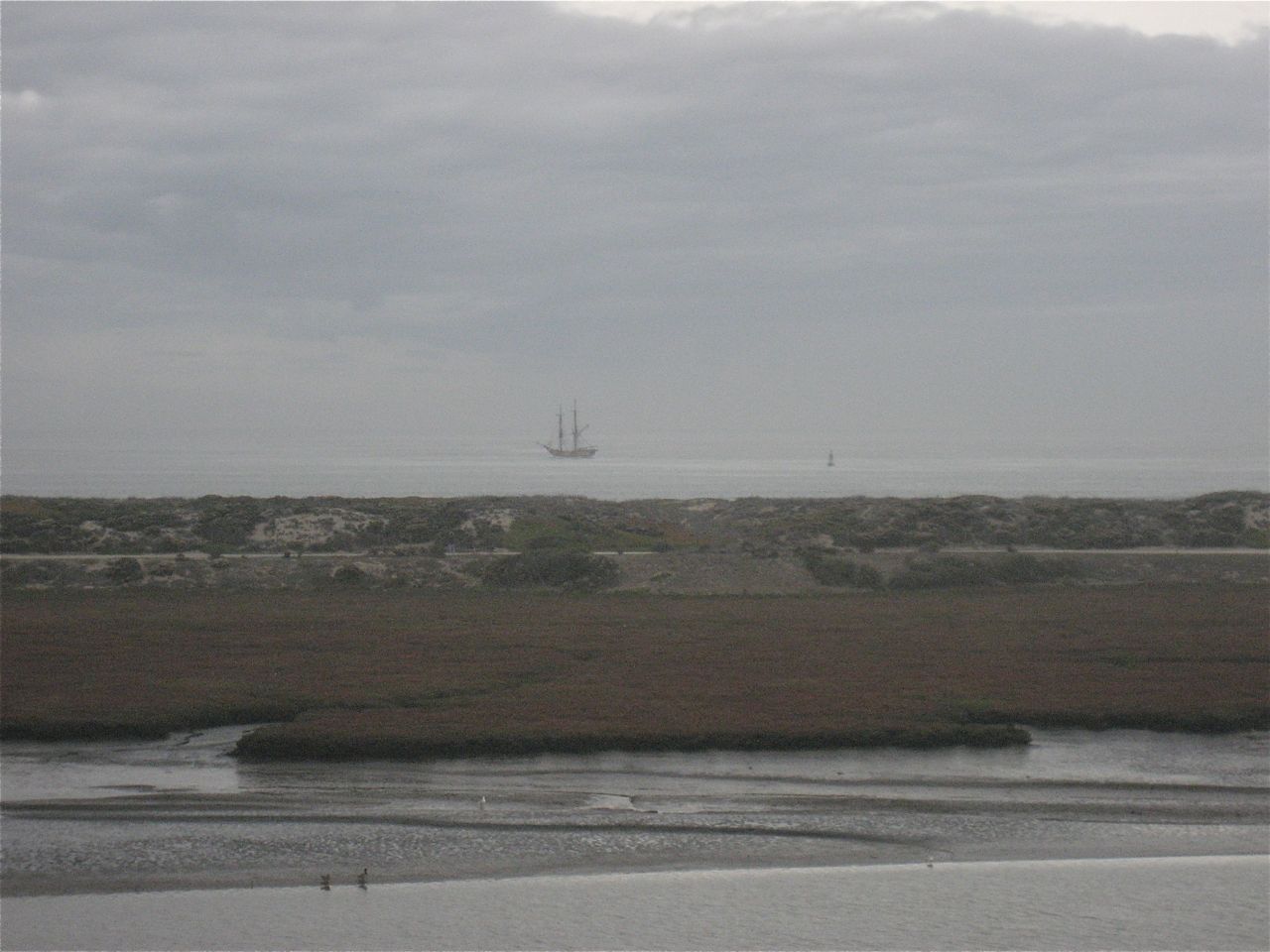
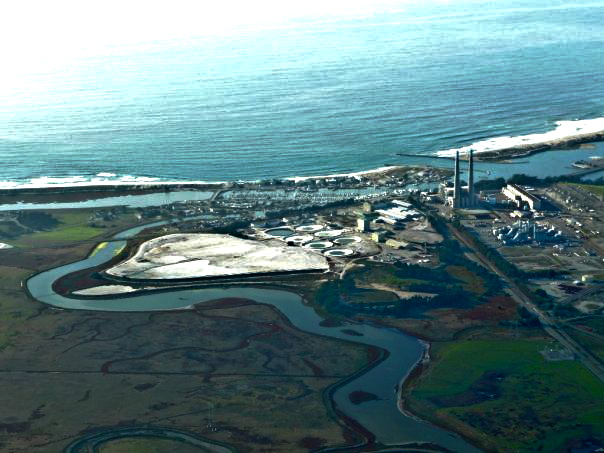
Recent grad Heather Hawk snapped this photo while on a plane ride high above Moss Landing.  From way up here you can see Moro Cojo Slough in the foreground, snaking out into the harbor.  Surrounding the slough are fields of pickleweed, a wetland plant known for its tangy and salty ‘pickle’ flavor.  The power plant can be seen by the two towers on the right side of the photo, and the large white field is what’s left from the magnesium oxide plant. The break in the dunes to the left of the power plant was created by the Army Corps of Engineers in 1946 to create Moss Landing Harbor.  If you are interested in the history of Moro Cojo Slough, Elkhorn Slough and Moss Landing and would like to read more, take a look at the Elkhorn Slough Foundation website.
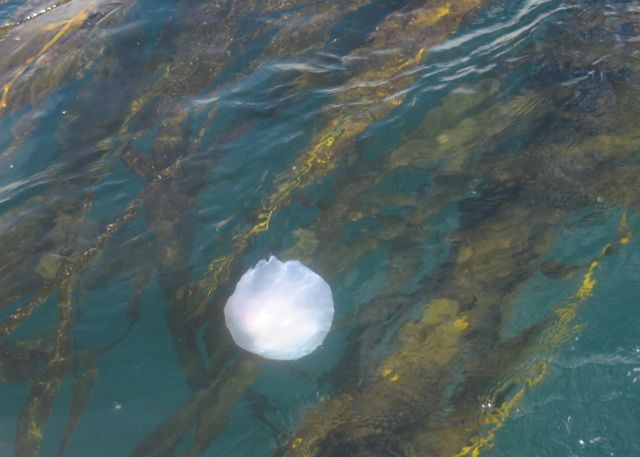
Is that a Jellyfish or Plastic Bag?

photo: E. Loury

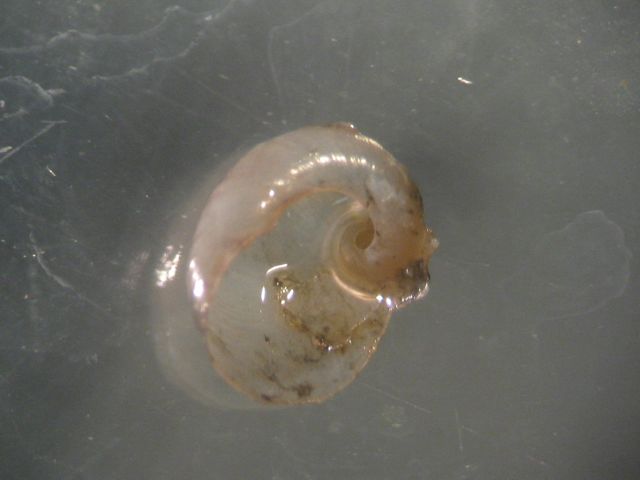
It’s clear, it’s blobby, and it floats in the ocean.  This photo of a moon jelly in Monterey Bay makes it easy to understand sea turtles’ confusion in mistaking plastic bags for their favorite snacks.   It’s a hard call when jellies can look so much like (no offense) trash.  Unfortunately for the turtles, the mistake can be fatal if too much of that non-digestible plastic accumulates in their stomachs.  Maybe they’d be better off sticking to jellies that resemble breakfast foods.

Following the Key to Seaweed ID

photo: E. Loury

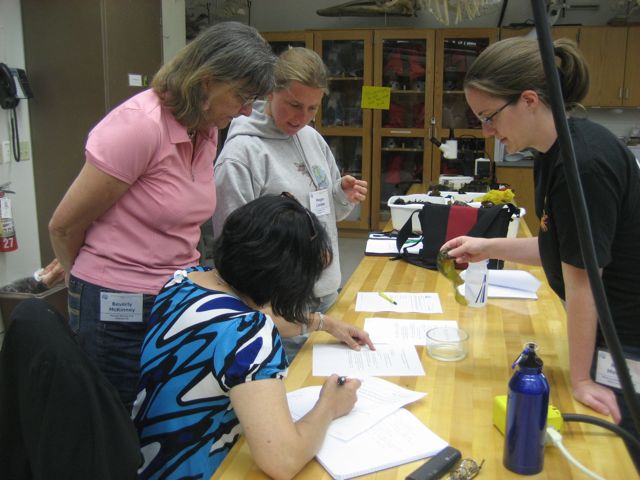
Invertebrate zoology student Kristin Meagher (right) helps middle and high school science teachers identify seaweeds using a dichotomous key (you know, one of those “If it’s green, go to step 2, if it’s another color go to step 3” kind of deals – kind of like a choose your own adventure story for scientists).  Kristin is a teaching assistant for MLML’s Teacher Enhancement Program, and was helping with a summer workshop that introduces middle and high schools science teachers to marine-related lab and field activities they can incorporate into their curricula.

To Catch A Giant Shark

photo: M. Johnson

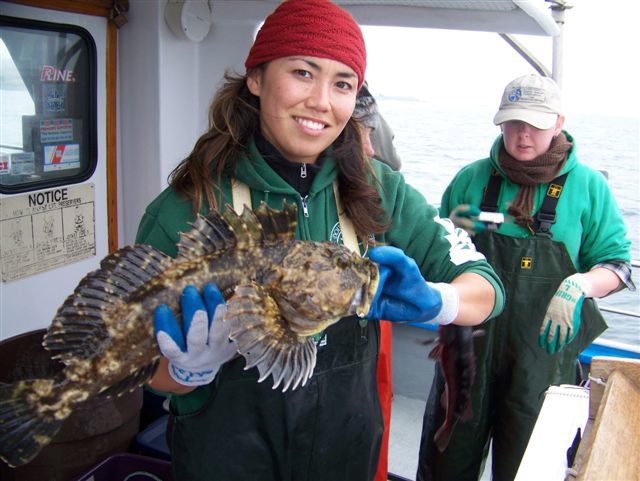
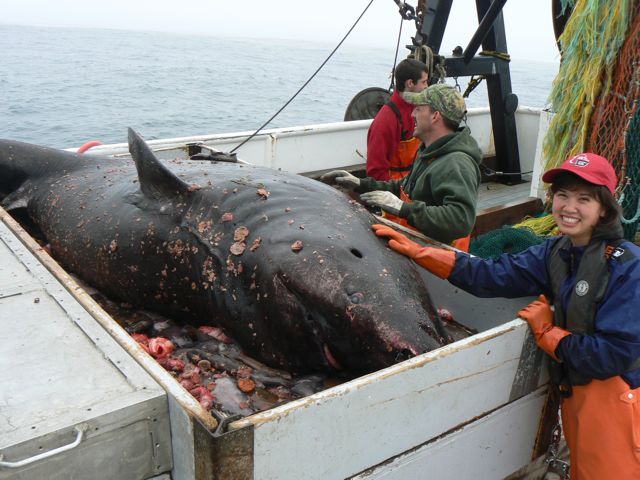
There are fewer rude awakenings for a sleepy Pacific Sleeper Shark than to get hauled up in a net during a government fishing survey.  But for fish biologists, it’s an incredible opportunity to get a photo with the “big one!”  Ichthyology student Erin Loury poses with the unexpected catch while volunteering with the National Marine Fisheries Service groundfish survey as part of a partnership with MLML’s Pacific Shark Research Center.  Don’t worry, the shark was released alive – but probably a little grumpy.

What’s the Temp, Doc?

photo: N. Yochum

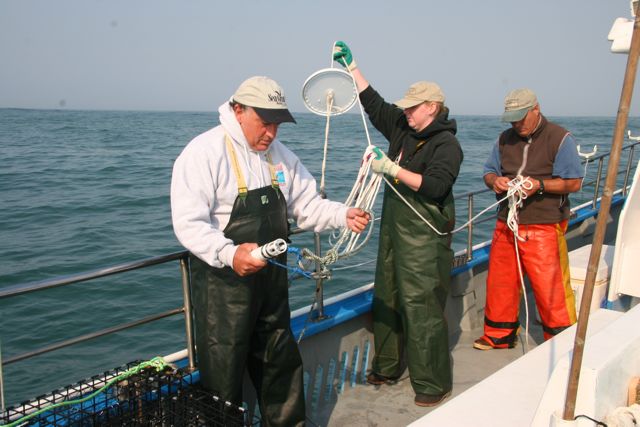
In order to understand how ocean conditions affect fish populations, researchers need to know something about the state of the water when they count fish.  Dr. Rick Starr (left) and Ichthyology student Katie Schmidt are getting ready to test the ocean temperature and clarity as part of fishing surveys with the California Collaborative Fisheries Research Program. Dr. Starr is holding a white sensor that records the temperature of the water as it is lowered from the surface.

In Katie’s hand is a secchi disc, an extremely high tech instrument that oceanographers have been using to determine water clarity since Pietro Angelo Secchi invented it in 1865.  The disc is lowered until it is no longer visible from above the water, and the point at which it disappears is the Secchi depth.  It’s cheap, simple and if it ain’t broke…