
Come Dive Along With Us at Catalina Island: CSUMB and MLML Join Forces

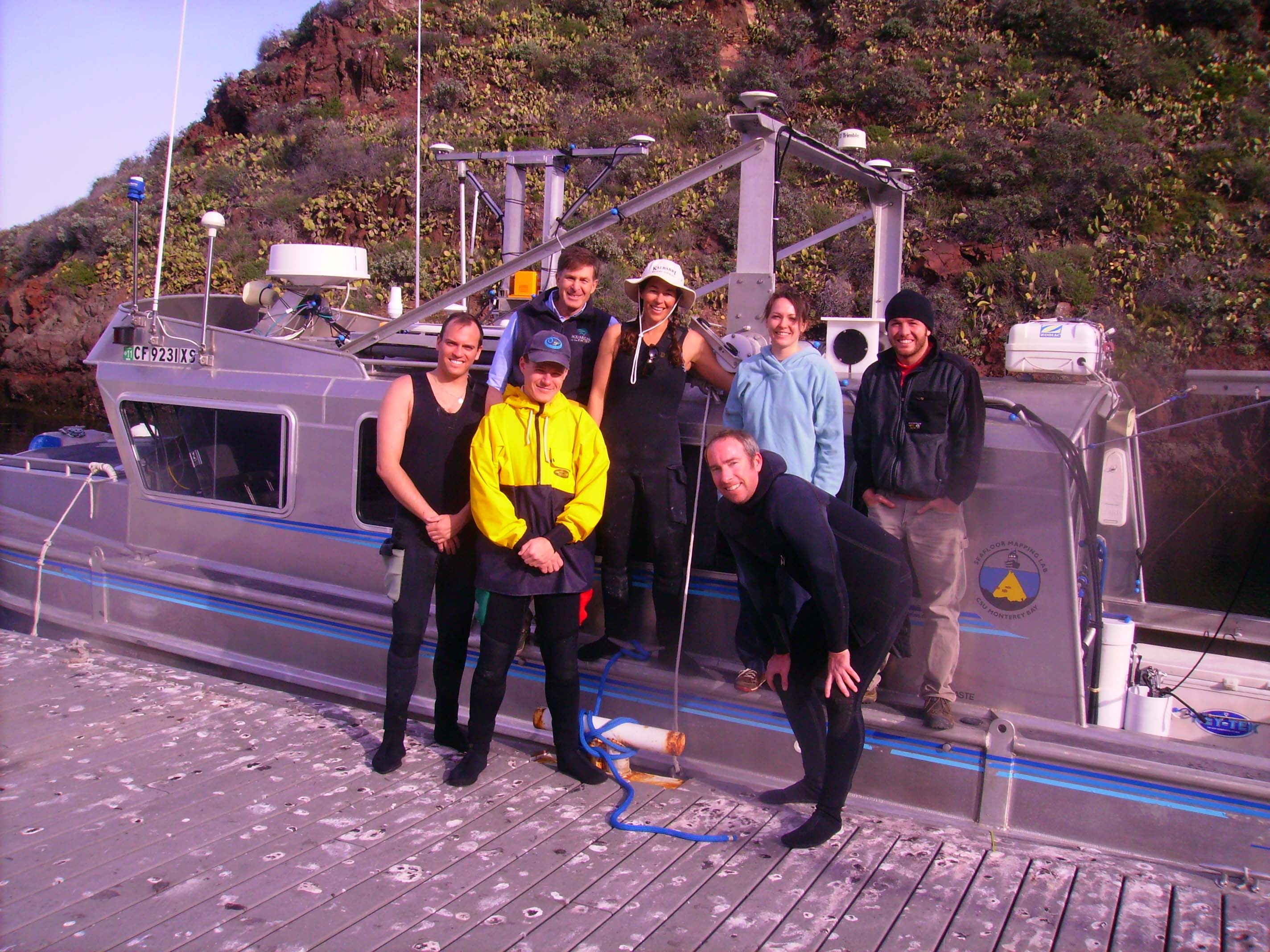
Seafloor mapping-capable R/V VenTresca with MLML & CSUMB researchers

What does the seafloor look like?  To help answer this question multibeam and sidescan sonar is used on the R/V VenTresca.  A rare habitat called rhodolith beds, calcareous algae beds which look like tiny tumble weeds, are present around Catalina.  Thanks to graduate student Paul Tompkins at Moss Landing Marine Labs the locations of the beds have been found by using SCUBA, Manta tows, and drop camera work.  Using multibeam and sonar, the R/V VenTresca may have the ability to find these beds without having to dive in the water.
LOOK it’s a coral, no it’s a tumbleweed, no it’s a rhodolith!

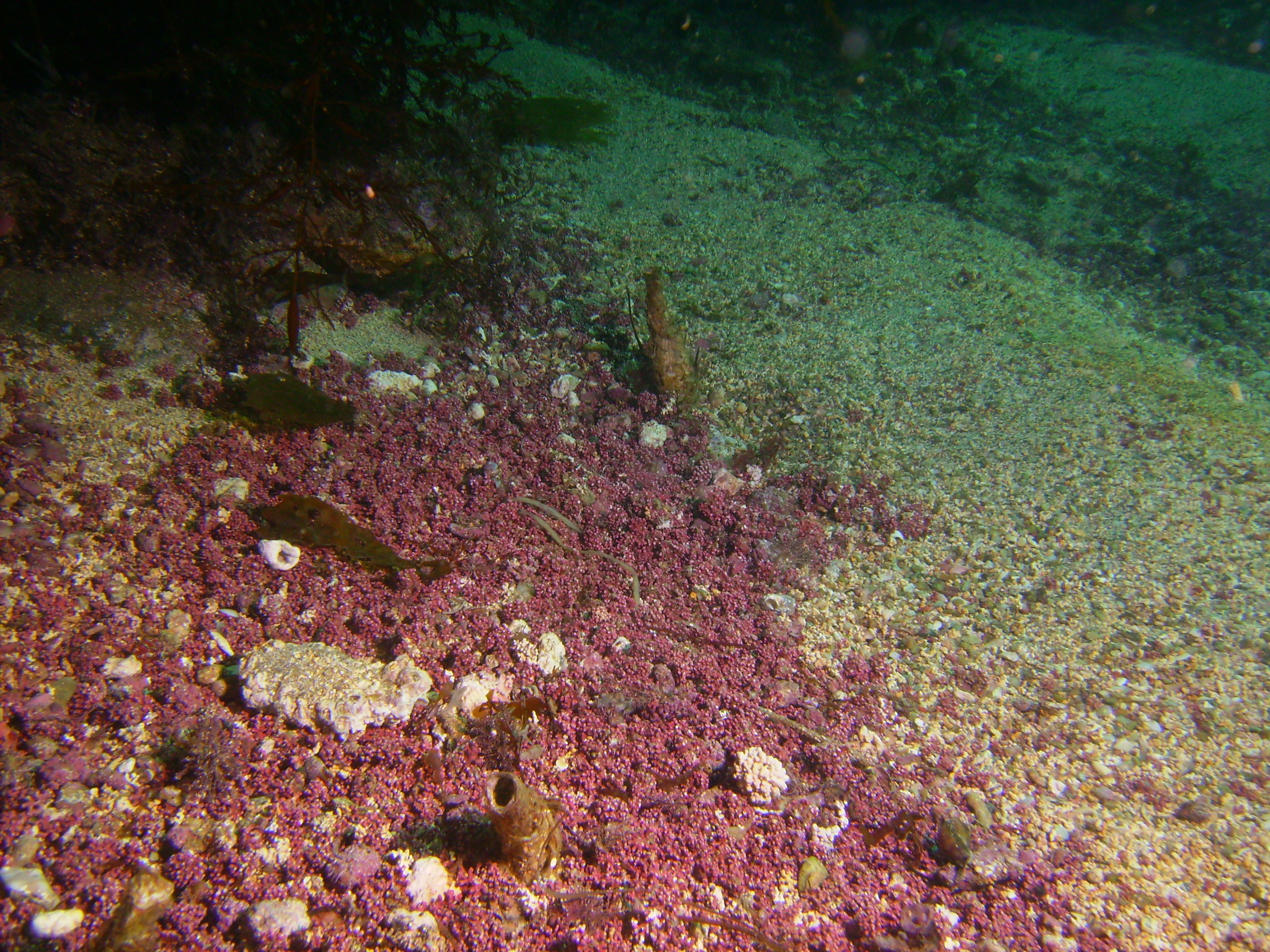
A rare rhodolith bed, found at only 6 bays/coves in Catalina. (photo: S. Gabara)

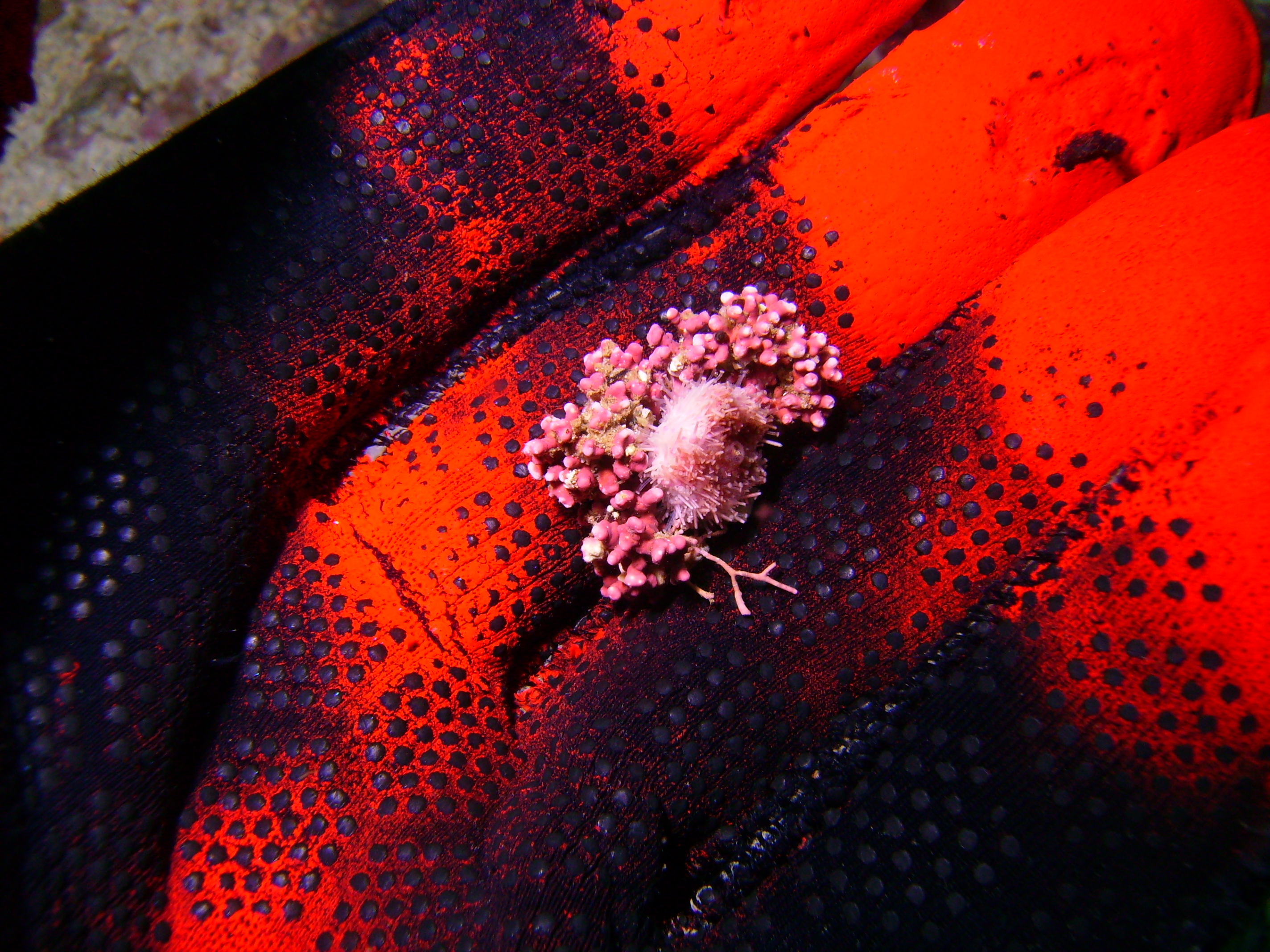
Imagine tubleweeds spread across the ocean floor.  If you make them purple/pink and living, then you have a rhodolith bed.  Rhodoliths are hard calcareous algae which have broken from the ground and formed a bed with other individuals.  Many invertebrates and algae species associate with this habitat.  Rhodoliths are a hot study subject in Europe, where they are used as a soil conditioner.

This white urchin recruit may use rhodoliths as a way to hide from predators. (photo: S. Gabara)

Come Dive Along With Us at Catalina Island: CalamariCare

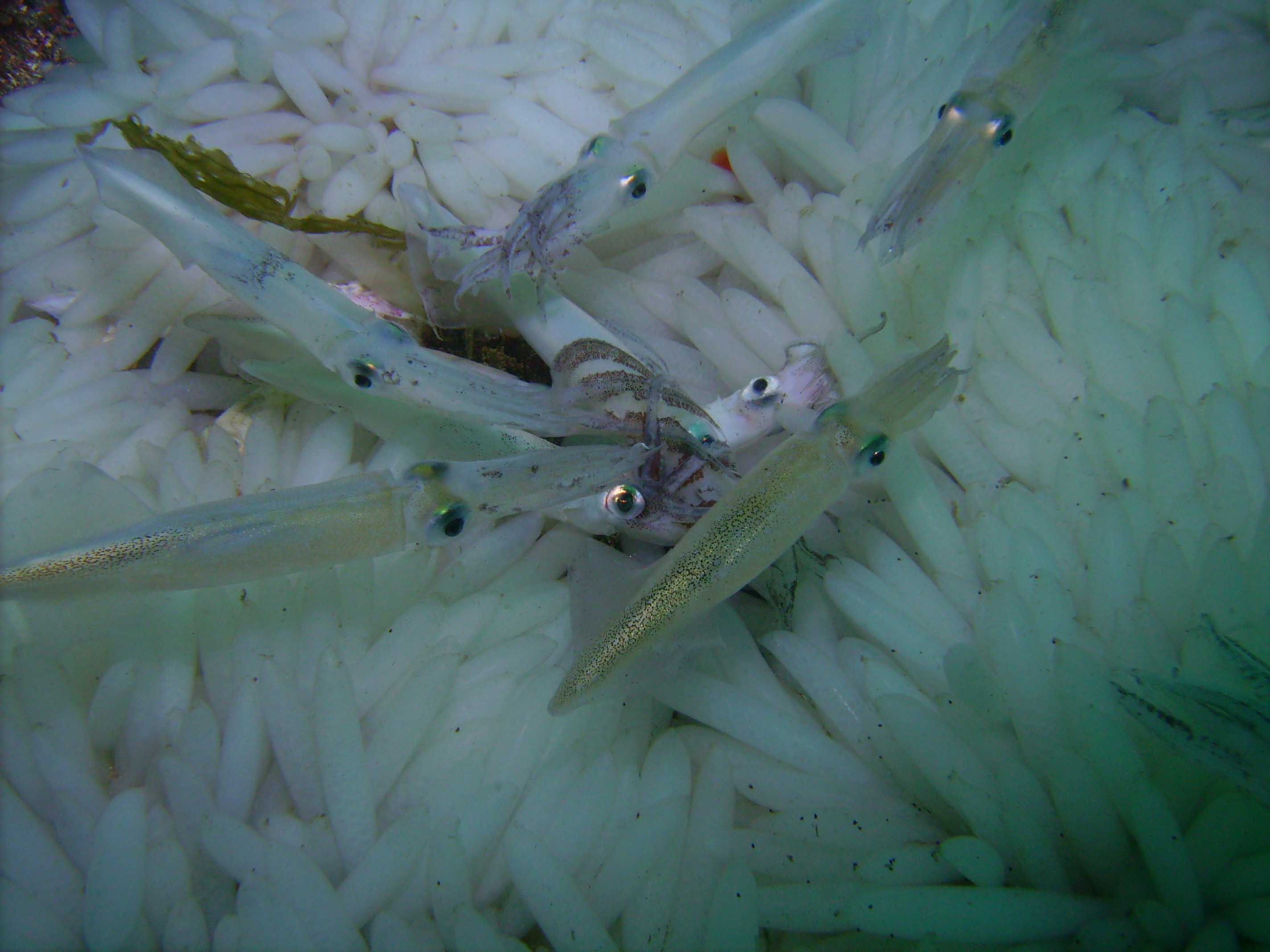
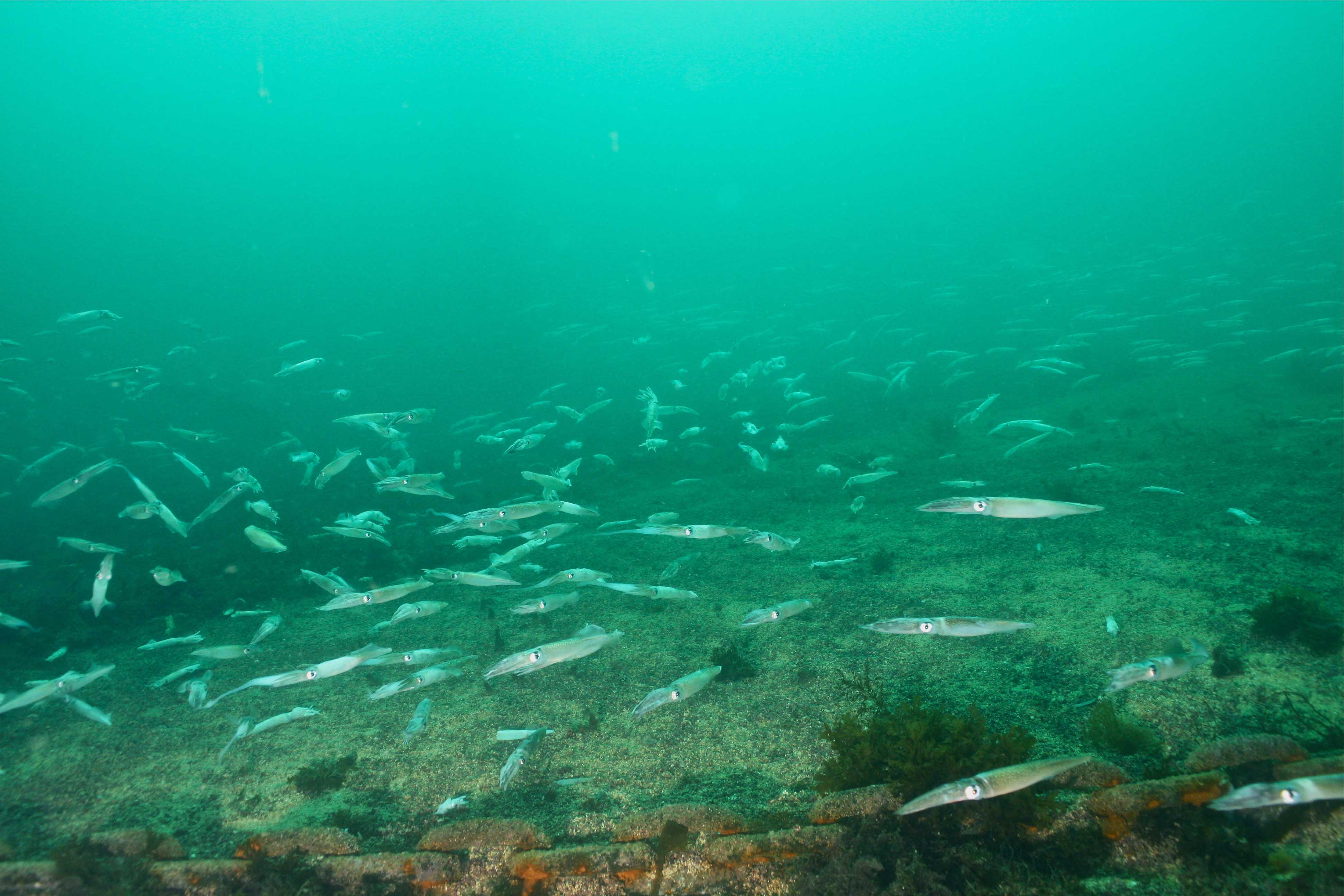
Many Market Squid gather at Fourth of July Cove, Catalina.

The California Market Squid lives from Alaska to Baja, Mexico.  They only live for 4-9 months!  Their brief life cycle has four stages: eggs, hatchlings, juveniles, and adults.  These eggs laid by the females will take 3-5 weeks to hatch.  These squid are not only important to the ocean ecosystem but for human consumption as well.  Knowing more about them help keep tasty squid in our markets.

Squid dart past in a shoal at Avalon Bay, Catalina.

Come Dive Along With Us at Catalina Island: Baby Calamari

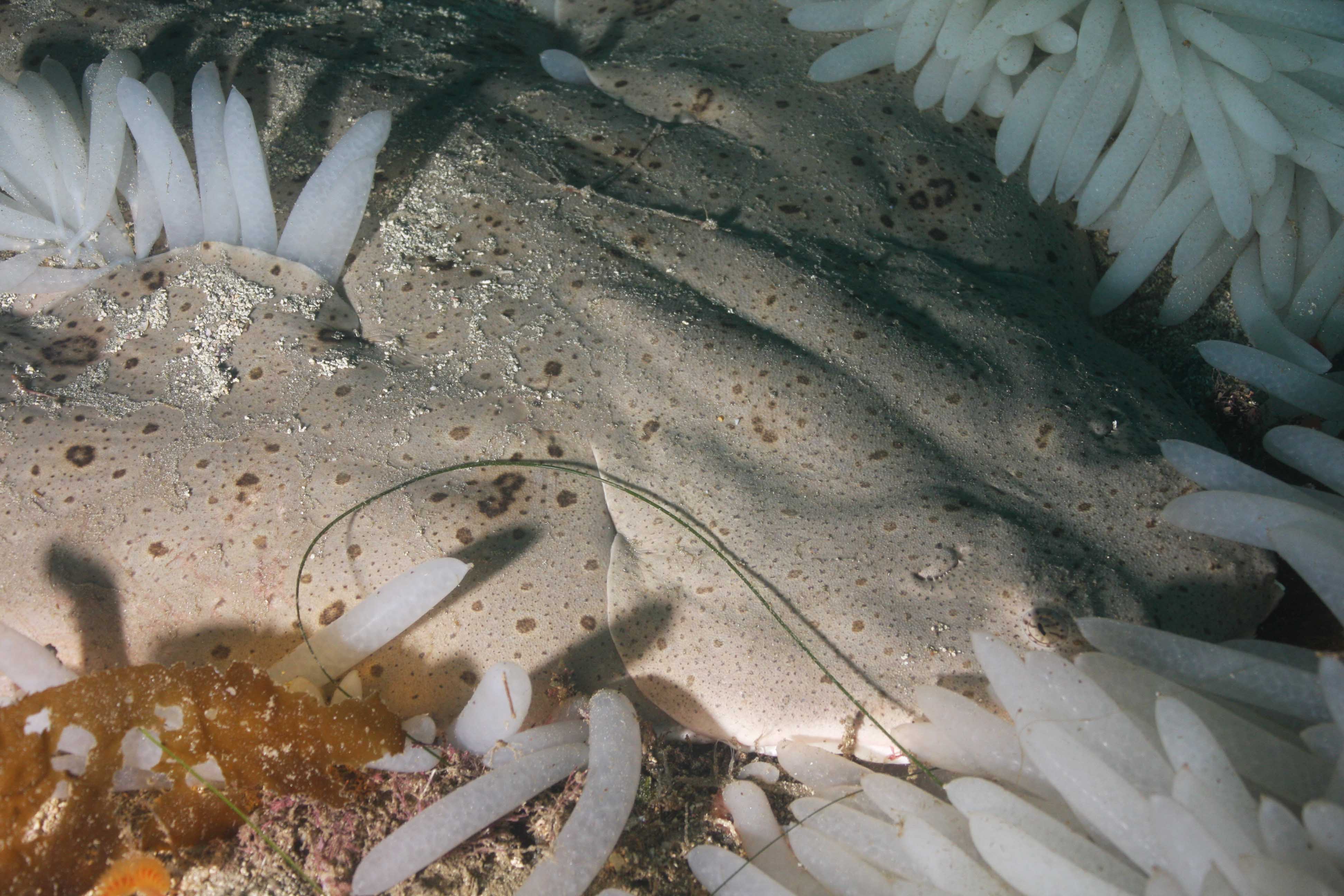
Squatina californica, or the Pacific Angel Shark resting on California Market Squid eggs. (photo: S. Gabara)

The large amount of California Market Squid eggs means a feast for many other organisms in the bays around Catalina Island.  Many fish, invertebrates and sharks such as this Angel Shark will use this abundant food source during the winter.  I almost asked the Angel Shark to share, but realized there will hopefully be many squid and squid eggs for the future.

Come Dive Along With Us at Catalina Island: Eggy Encounter

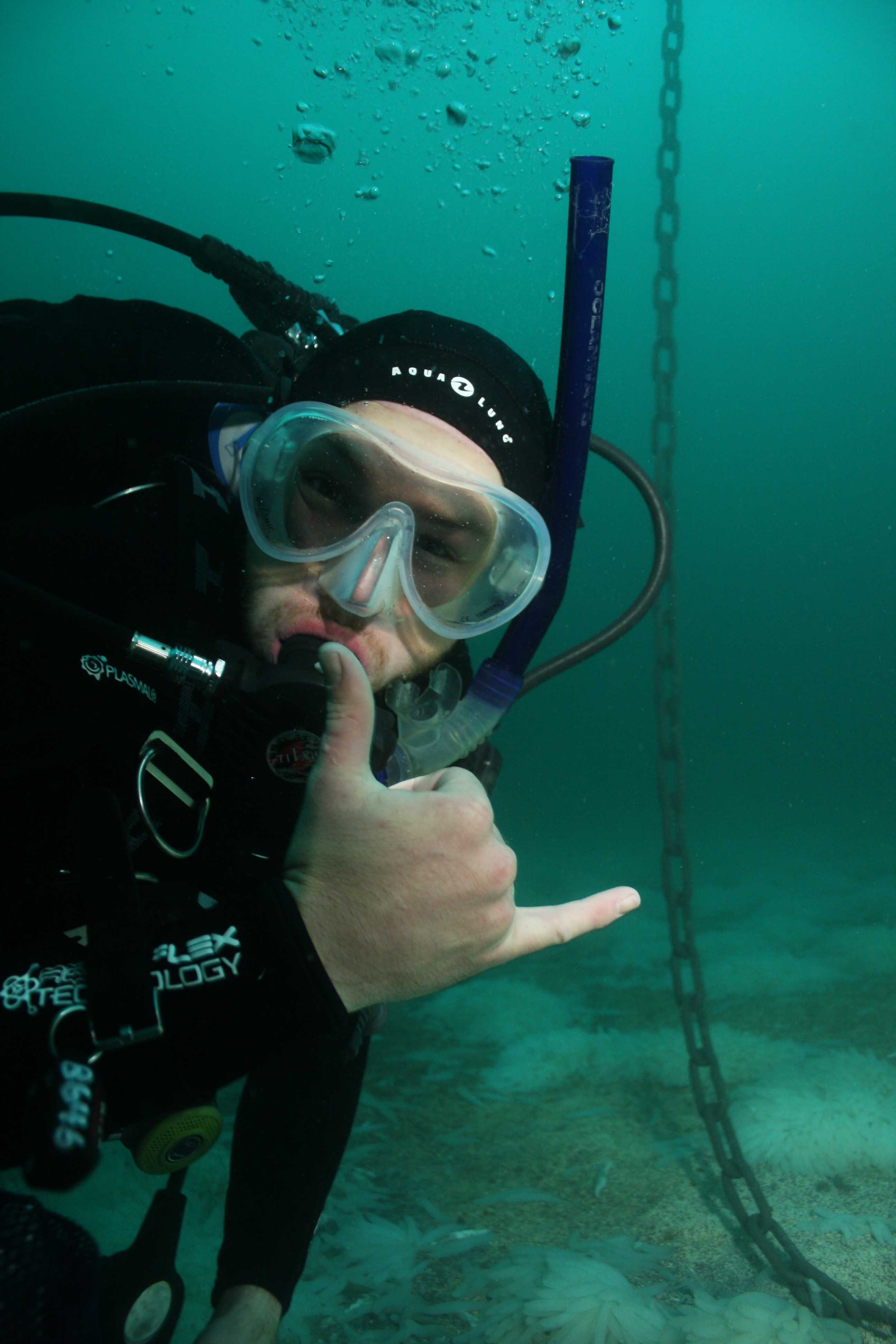
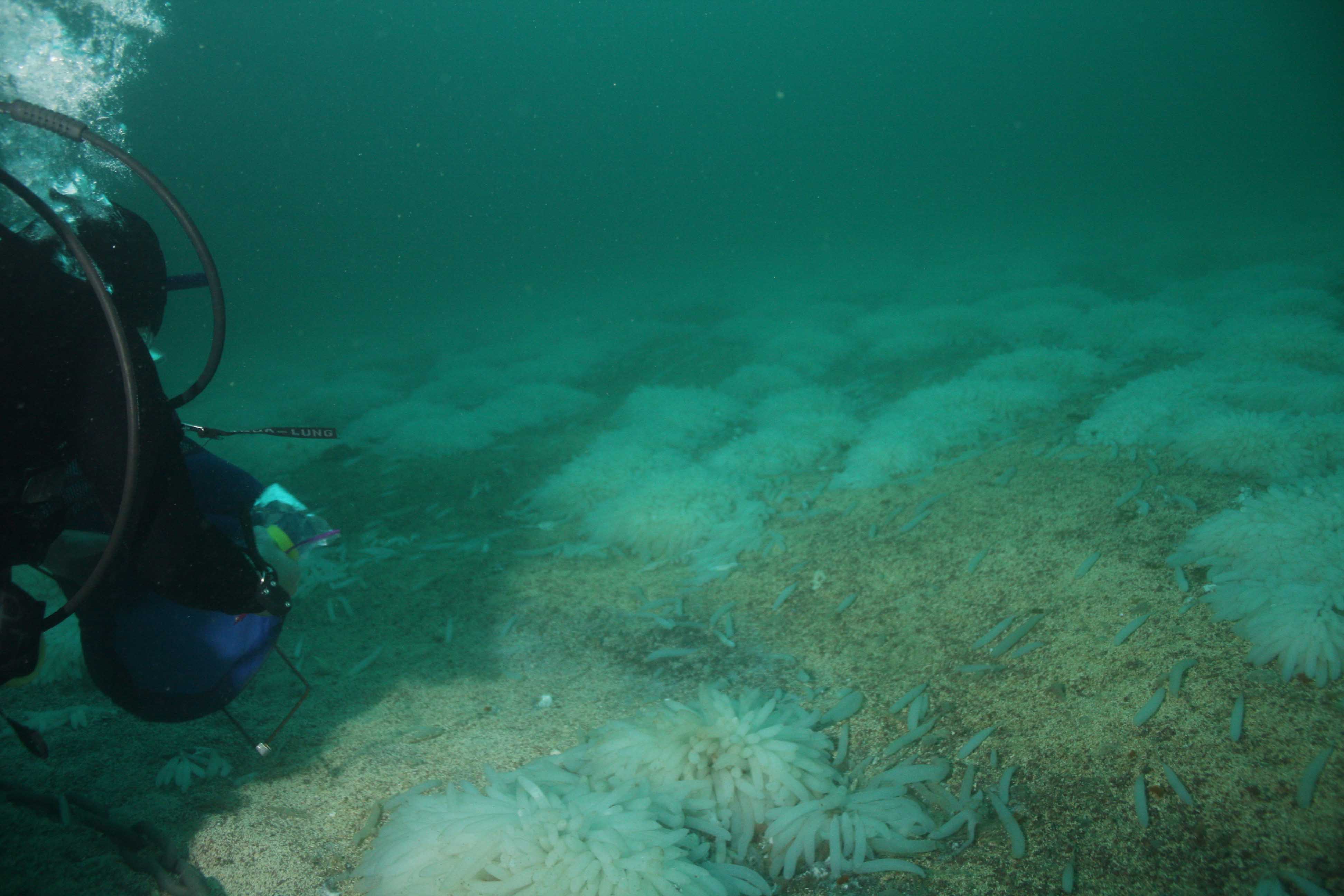
Moss Landing Marine Labs Diver and Graduate student Paul Tompkins shows excitement after viewing a wide expanse of squid eggs at Big Fisherman's Cover, Catalina Island.

Diving in the marine reserve at Big Fisherman’s Cove near USC Wrigley Institute, diver Paul Tompkins observes squid eggs which span his entire view.  This does not happen often according to the people working and living at the Marine Science Center.  The squid and eggs are rarely this shallow and may be caused by colder than normal temperatures brought by La Niña.

Squid eggs span the horizon at Big Fisherman's Cove, Catalina.

Giant Crane Game for Sediment

The crew of the R/V Point Sur work to get the sediment sampling device ready for redeployment. (photo: S. Gabara)

What does the sediment look like on the bottom of the ocean?  The easiest way to get a sample is to send a giant sediment sampler (grabber) which is open as it drops to the seafloor, and closes when hits the bottom.  Then voila, the grabber is filled with sand or gravel from the ocean depths!  We can get an idea of how these sediments will move by how large or small the particles are.

The Drop-In makes list of 100 Best Ocean Blogs

photo: E. Loury

We’re famous!  Well, in certain circles anyway.  The folks at World’s Best 100 listed the Drop-In in their category “100 Best Blogs for Studying the Ocean.” We’re #16, and while no rhyme or reason is given for the rankings, that’s not too shabby, I’d say…

Their take on the Drop-In:

Follow along with the graduate students at Moss Landing Marine Laboratories for some excellent (and homework-free!) lessons in marine science.”

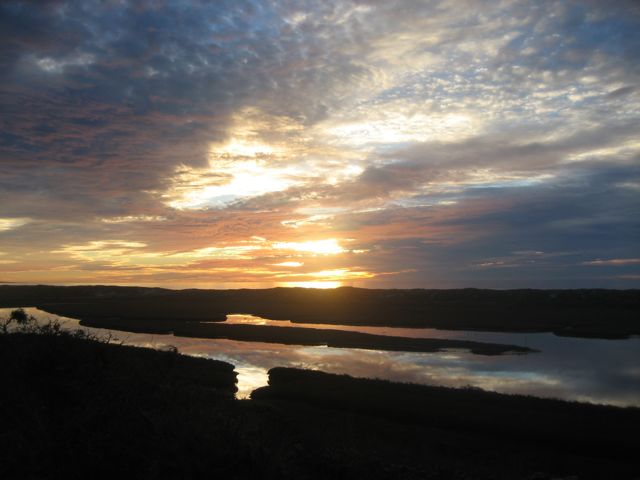
Check out the list – maybe 100 isn’t being so selective, but we’re in good company with some great marine bloggers.   That totally merits a flashy MLML sunset.

Fishing With a Little Bubbly

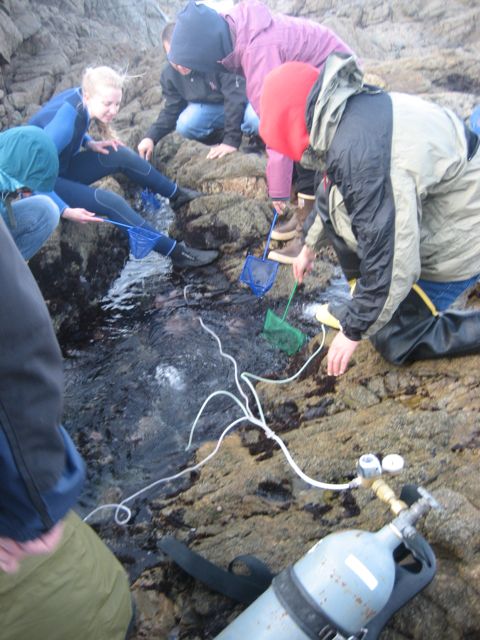
photo: E. Loury

If you’re trying to study tidepool fishes, two words: good luck.  These tiny and cryptic fishes like to hunker down in the rocks, making them very hard to spot.  To get a closer look, the MLML Ichthyology class bubbles a little carbon dioxide into the pool to temporarily stun the fishes and coax them to the surface.  In this case, the fishes were still playing hard to get – guess they don’t go for sparkling water.

What’s in a Mermaid’s Purse?

photo: E. Loury

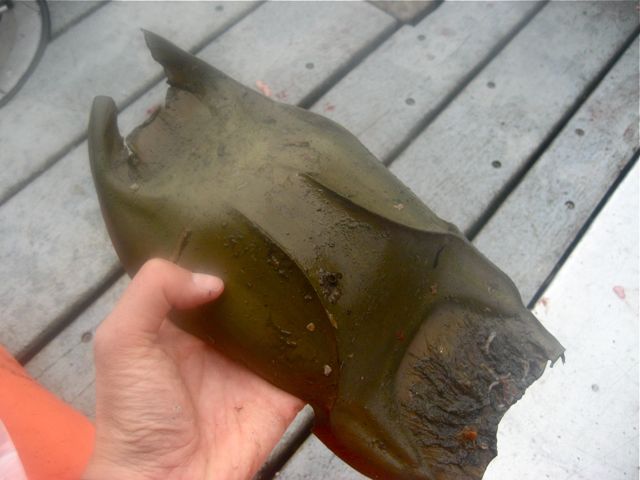
Some lipstick, a hair brush…and oh look, a baby skate.  Colloquially known as “mermaid’s purses,” these structures are actually the egg cases of some sharks and skates.  The size of the one above, caught during a fish trawl survey,  is a dead give away that it came from a big skate (Raja binoculata) because it’s just so, well, big.   The adults can grow up to six feet long, and the largest described was just under eight feet.   Big skates are one of the few skate species that can have more than one embryo per egg case.  It could make a fetching clutch when the skates are done with it – you know, with something in hues of say seaweed and seashell…