
Slime Star

photo: E. Loury

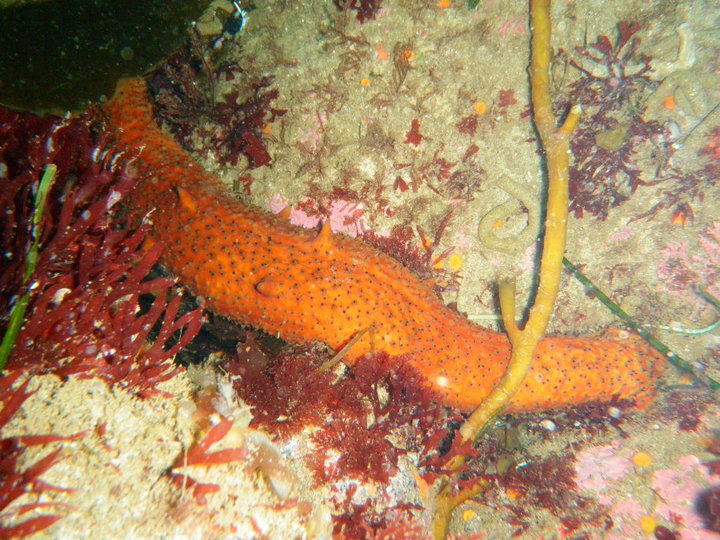
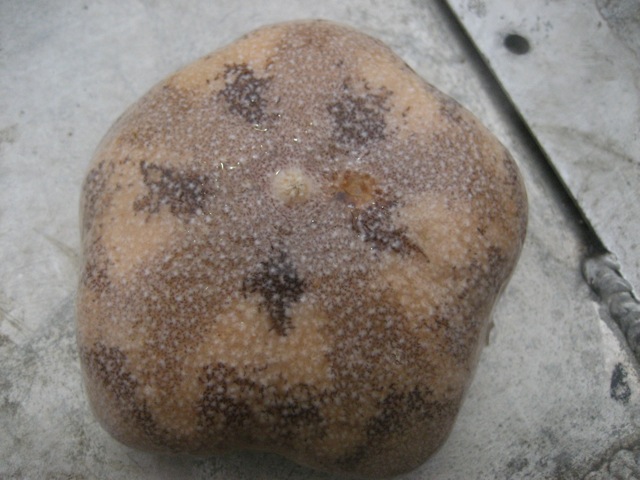
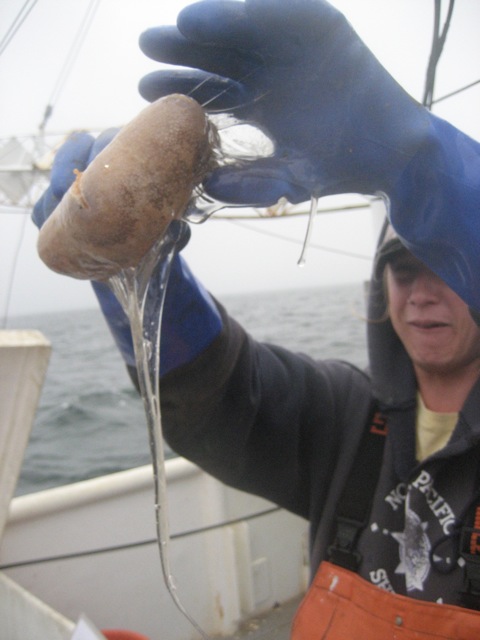
Don’t let that unassuming lumpy appearance fool you – like a pesky little brother, this cushion star (Pteraster tesselatus) is loaded with snot and can fire at will.   Any good scientist knows that mucous makes the world go round, and makes for a pretty effective defense.  If you mess with this critter, expect things to get messy…

photo: E. Loury

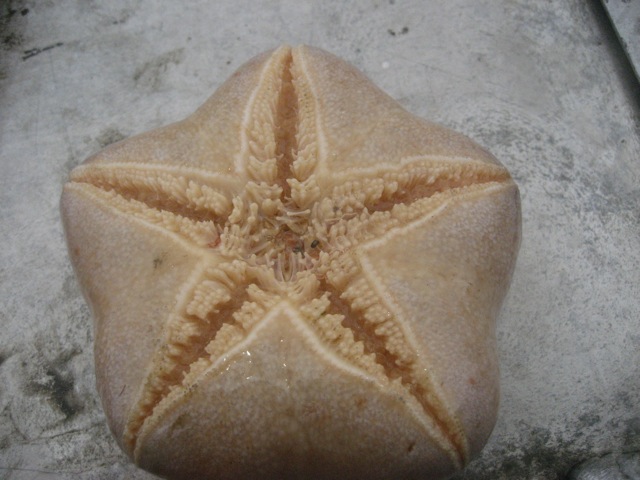
This star was collected during a government fish trawl survey near southern California.  Here’s a shot of the underside in case you need convincing that there is indeed a graceful sea star under all that slime.

photo: E. Loury

Feast Your Eyes on This

photo: E. Loury

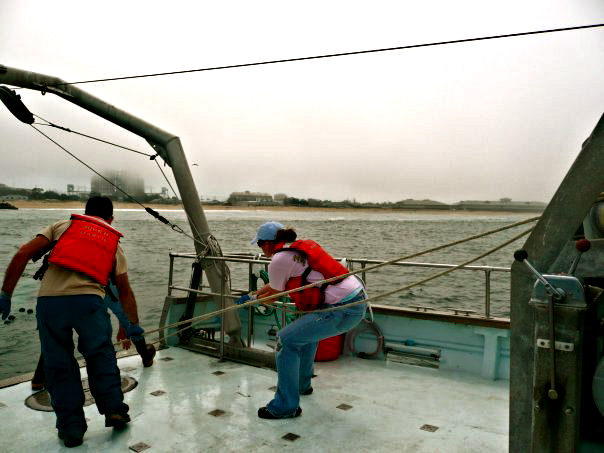
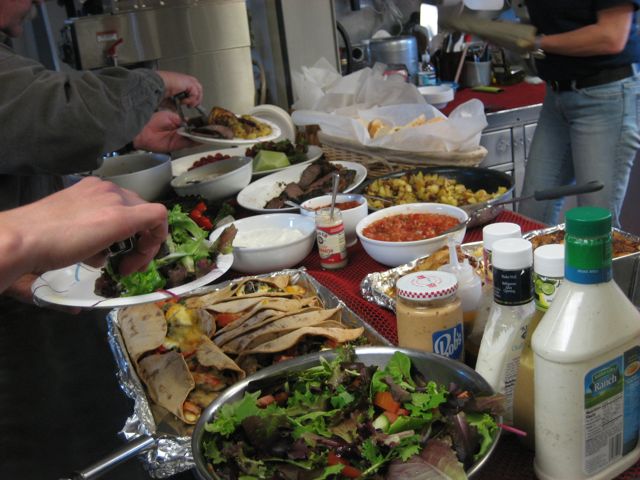
While marine researchers, especially graduate students, are used to living on a budget, who says they can’t eat well in the field?  Students from a Chemical Oceanography class are treated to a feast aboard the R/V Point Sur during a research cruise.  It’s remarkable what grad students will do for the promise of food.

Whip it Good

photo: E. Loury

Don’t get too excited, cowboys – cracking this sea whip would harm the fragile animal.  That’s right, this is a photo of an animal – or many animals, actually.  Sea whips are a type of deep-sea coral, and the “whip” structure is composed of a bunch of tiny polyps, each with its own mouth and tiny tentacles.   These colonies live on the sea floor, and are sometimes collected during fish trawl surveys like this one was.  Couple them with ocean tumbleweeds and you’d have yourself a sure-fire ocean Western.

photo: E. Loury

YOY to the World

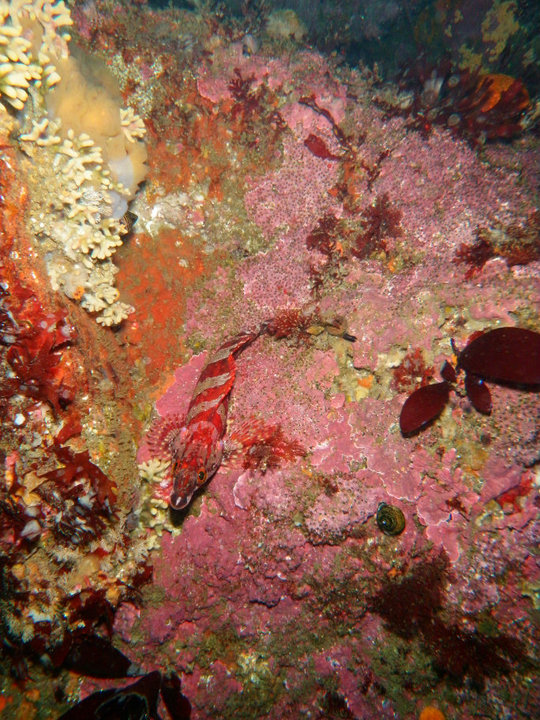
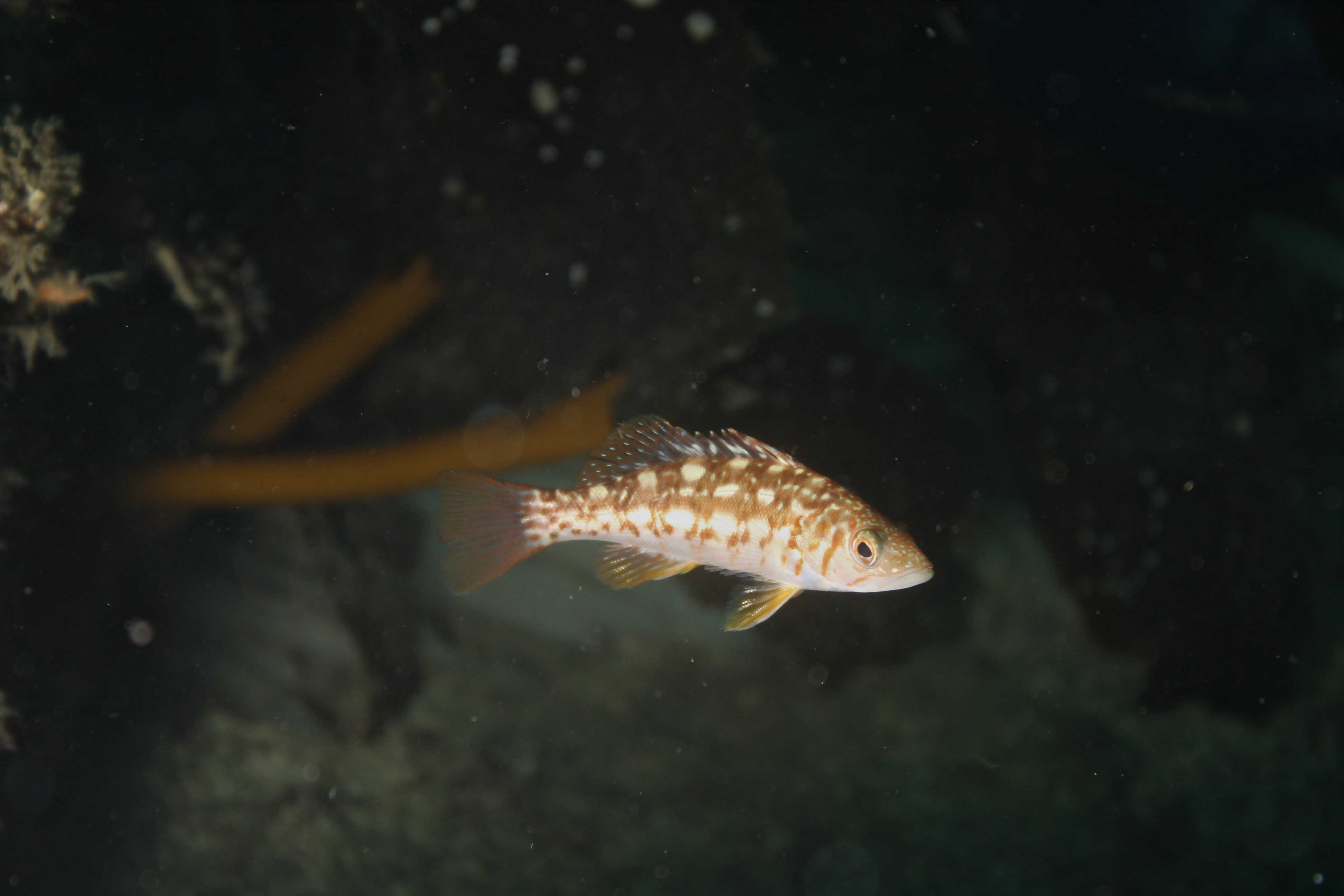
WOW, a YOY! These young-of-the-year Kelp Bass are a common sight around Catalina Island

2010 has been a great year for both rockfish and kelp bass young-of-the-year recruits, affectionately known as “YOY”s.  This may be due to La Niña bringing colder, nutrient rich water to the kelp bed, helping the growing larvae and year-old recruits.

Making an Impression: The Art and Science of Drying Seaweeds

photo: E. Loury

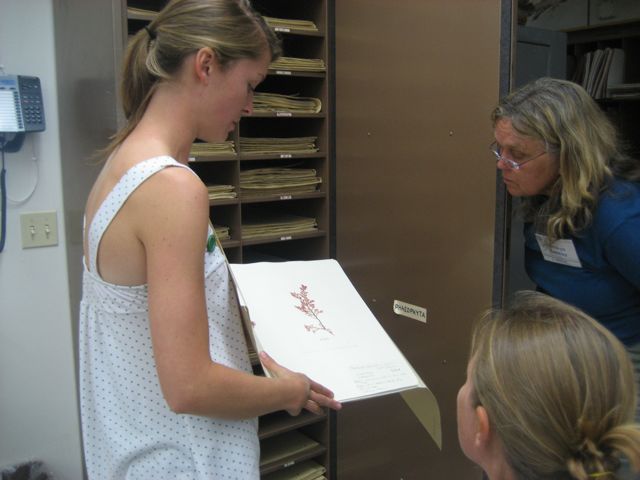
It’s a few steps up from pressing flowers in the pages of your phone books, but the concept is the same.  Phycology student Sara Hutto shows an algal press from the MLML herbarium (that’s plant collection) to teachers from the Teacher Enhancement Program.  Drying seaweeds is an easy, compact way to store the plants for later study – and it also produces great decorations for cards.